New EU packaging rules took effect on August 12, introducing stricter limits on food packaging chemicals as part of a broader effort to reduce packaging waste, cut plastic use and promote reuse and recycling. The changes will gradually affect packaging used by consumers, businesses, restaurants and retailers across the European Union.
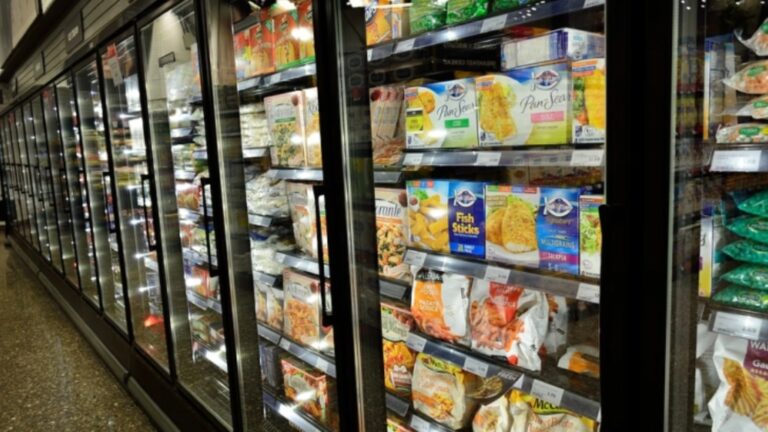
The reform is aimed at significantly reducing the amount of packaging waste generated in the EU. Among the changes highlighted are less plastic packaging, smaller boxes and mandatory deposit systems for cans.
New Limits on PFAS in Food Packaging
One of the most significant immediate changes concerns PFAS compounds in food packaging. These substances are commonly used because of their resistance to water and grease and can be found in packaging such as hamburger and French-fry boxes, takeaway bags and paper used for bakery products.
Under the new rules, food packaging containing PFAS at or above prescribed concentration limits can no longer be placed on the EU market. The threshold is 25 parts per billion (ppb) for individual PFAS compounds and 250 ppb for the sum of specifically analysed PFAS compounds.
For total PFAS content, including polymeric PFAS, the limit is 50 parts per million (ppm). German consumer protection organisations say the limits have been set so low that the intentional use of PFAS in such packaging is, in practice, almost excluded.
Consumers themselves do not need to take any action to comply with the new requirements. Responsibility for compliance lies with manufacturers, importers and other participants in the supply chain.
Packaging that was already placed on the EU market before August 12 does not have to be withdrawn. The restrictions apply to packaging being placed on the market for the first time from August 12 onward.
PFAS is a collective term for several thousand synthetic chemicals valued for their ability to resist water, grease and stains. They are also known as “forever chemicals” because they are highly persistent and can remain in the environment for long periods.
EU rules identify food packaging as an important potential source of exposure to these compounds. The regulation states that PFAS in materials coming into contact with food can expose people to the chemicals, while their persistence and the identified effects of certain PFAS pose risks to health and the environment.
Less Packaging, More Reuse and Recycling
The PFAS restrictions are part of a much broader reform of packaging and packaging waste across the European Union. The EU packaging rules are designed to reduce the overall volume of packaging waste, increase reuse and recycling and restrict problematic chemicals in materials that regularly come into contact with consumers.
The wider changes also mean consumers will increasingly encounter less unnecessary plastic and smaller packaging. The new framework also provides for mandatory deposits on cans as the EU moves toward reducing disposable packaging and increasing the return and reuse of packaging materials.
The changes follow previous EU measures targeting disposable plastic products, including plastic straws. With the new packaging rules now taking effect, additional types of packaging are set to be gradually reduced or changed as the bloc seeks to significantly cut waste.