Serbia has opened negotiations over a new minimum wage for 2027, with the government proposing an increase of 9.2% that would raise the monthly amount from around €550 to approximately €600. The proposed minimum wage in Serbia would amount to 70,470 dinars per month, but unions are asking when the previously announced target of €650 will actually be reached.
The first round of talks brought together representatives of the Serbian government, employers and trade unions. Under the Finance Ministry’s proposal, the minimum hourly wage would rise from 371 dinars to 405 dinars.
Government Offers 9.2% Increase
The Finance Ministry also proposed measures intended to ease the impact on employers, including an increase in the tax-free portion of salaries. Employers, however, believe the economy can support an 8% increase from January 1, 2027, taking inflation and gross domestic product growth into account.
Their final position is expected to be presented at the next meeting. Trade unions, meanwhile, continue to demand discussions on the percentage increase of overall wages and want a clear answer on when the minimum wage will reach the promised €650 level during 2027.
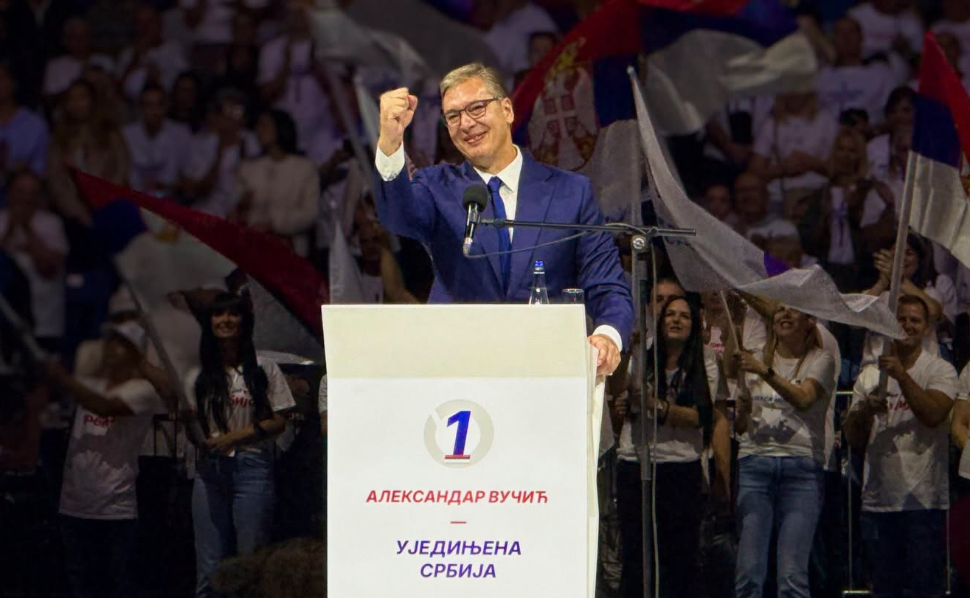
Finance Minister Siniša Mali had previously said that the minimum wage would reach €650 next year. The amount offered during the negotiations, however, was lower, at around €600 or roughly 70,000 dinars.
The current minimum wage in Serbia is around €551, or approximately 65,000 dinars. It has already been increased several times in recent years, rising by 13.7% in January 2025, another 9.4% in October and a further 10.1% in January 2026.
The ongoing negotiations therefore center on how large the next increase can be and whether the government’s €650 target can realistically be reached in 2027.
Serbia Still Below Several Regional Minimum Wages
The reports also compare Serbia’s minimum wage with those in several neighboring and former Yugoslav countries. In the Federation of Bosnia and Herzegovina, the 2026 minimum wage is 1,027 convertible marks, equivalent to 61,687 dinars.
Croatia’s minimum wage currently stands at €1,050 gross, or around €800 net, while new negotiations over wages and possible state subsidies for employers are expected in the autumn. Slovenia’s minimum wage is €1,482, or approximately €1,000 net for full-time work, representing a 15.97% increase compared with the previous year.
In Montenegro, the minimum wage is €600 for workers with secondary education and €700 for those with higher qualification levels. The reports cite a comparable Eurostat figure of €670 for July.
Romania increased its minimum wage to 4,325 lei from July 1, 2026, equivalent to around €850. Bulgaria’s minimum wage stands at €620 gross per month, while Albania increased its gross monthly minimum wage to 50,000 lek, or €517, at the beginning of 2026.
Even if Serbia reaches an agreement on the proposed increase to around €600, its minimum wage would remain below those currently reported in several countries in the region. The key issue in the negotiations remains whether and when the €650 target promised for 2027 will be achieved.