Montenegro is launching a €30 million environmental research project designed to strengthen the protection of its natural heritage and protected areas. The new Center of Excellence for advanced environmental monitoring and nature based solutions, known as CENNA, will combine European funding, international scientific cooperation and modern research infrastructure. The project includes €15 million in European Union funding and another €15 million in national co financing. CENNA will be coordinated by the University of Montenegro in cooperation with the University of Antwerp and Aarhus University. Montenegro’s Ministry of Education, Science and Innovation and the National Parks of Montenegro will also participate as national partners. A new research facility in Podgorica will receive around €15 million worth of scientific equipment and infrastructure. The investment is expected to significantly strengthen Montenegro’s research capacity. It will also give local scientists greater access to modern technologies and international expertise.
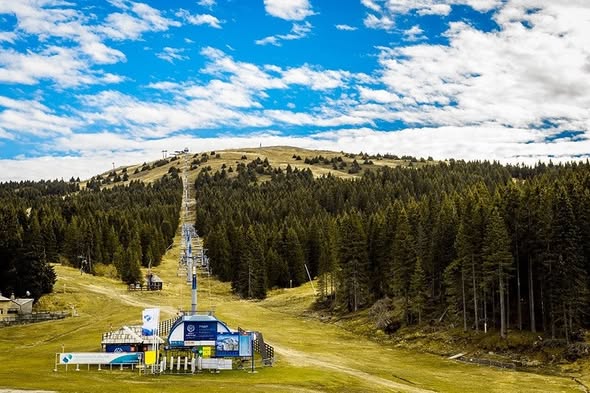
An important part of the project will take place outside the laboratory. Researchers will test environmental technologies and nature based solutions in real conditions around Lake Skadar and the Durmitor area. These locations will serve as large scale testing environments for studying ecosystems and developing practical methods of environmental protection. The approach is intended to connect scientific research with challenges affecting protected areas. It could also help researchers develop solutions that can be applied more widely. The project comes as Montenegro continues preparations for the establishment of its Natura 2000 network. The European ecological network is an important part of the country’s efforts to protect habitats and species while progressing toward European Union membership. The proposed network is expected to cover more than 44 percent of Montenegro’s territory. More than half of the country’s land area would be included.
Natura 2000 is particularly important because environmental protection is covered by Chapter 27 of Montenegro’s EU accession negotiations. The country must demonstrate progress in areas including nature protection, environmental standards and the management of protected areas. Establishing an effective network will therefore be an important test of Montenegro’s ability to meet European requirements. CENNA could provide additional scientific capacity for this process. The financial scale of the project is also significant for Montenegro’s scientific sector. According to the Ministry of Education, Science and Innovation and the University of Montenegro, the €15 million EU grant represents more European funding for science and innovation through a single project than Montenegro received during the entire period from 2007 onward. The investment could therefore have an impact beyond environmental research. It could strengthen the country’s wider scientific infrastructure and international cooperation.
The new center is also expected to create opportunities for Montenegrin researchers to work with international scientific institutions. Modern equipment and access to international networks could support new research projects and attract additional cooperation. At the same time, researchers will be able to focus on practical challenges affecting Montenegro’s protected areas. Tourism, development and climate related changes are among the pressures facing natural ecosystems. The establishment of CENNA therefore represents more than the construction of another research facility. It brings together European investment, international scientific cooperation and Montenegro’s efforts to protect its most valuable natural areas. With Lake Skadar and Durmitor serving as important testing grounds, the project could help turn scientific research into practical environmental solutions. Its long term success could also strengthen Montenegro’s ability to meet EU environmental standards while preserving its natural heritage for future generations.