Brussels is questioning why Serbia did not request help through the European Union’s civil protection mechanism as major wildfires continued to spread across the country. The most serious situation has been reported in the Deliblato Sands, where fires have burned for weeks and intensified since August 5. The flames have threatened forests, wildlife and nearby communities, increasing pressure on Serbian emergency services. Serbia ultimately requested firefighting assistance from Russia, with a Russian Ilyushin Il-76 aircraft arriving on August 20. The European Commission confirmed that Serbia has not activated the EU Civil Protection Mechanism, which allows countries facing major disasters to request assistance from other participating states. If Serbia activates the mechanism, the Commission says it can coordinate with European partners to determine what resources are needed. Serbia has nevertheless received some European support through the EU’s Copernicus programme. Serbian authorities requested satellite imagery to help firefighters monitor the affected areas and support their operations.
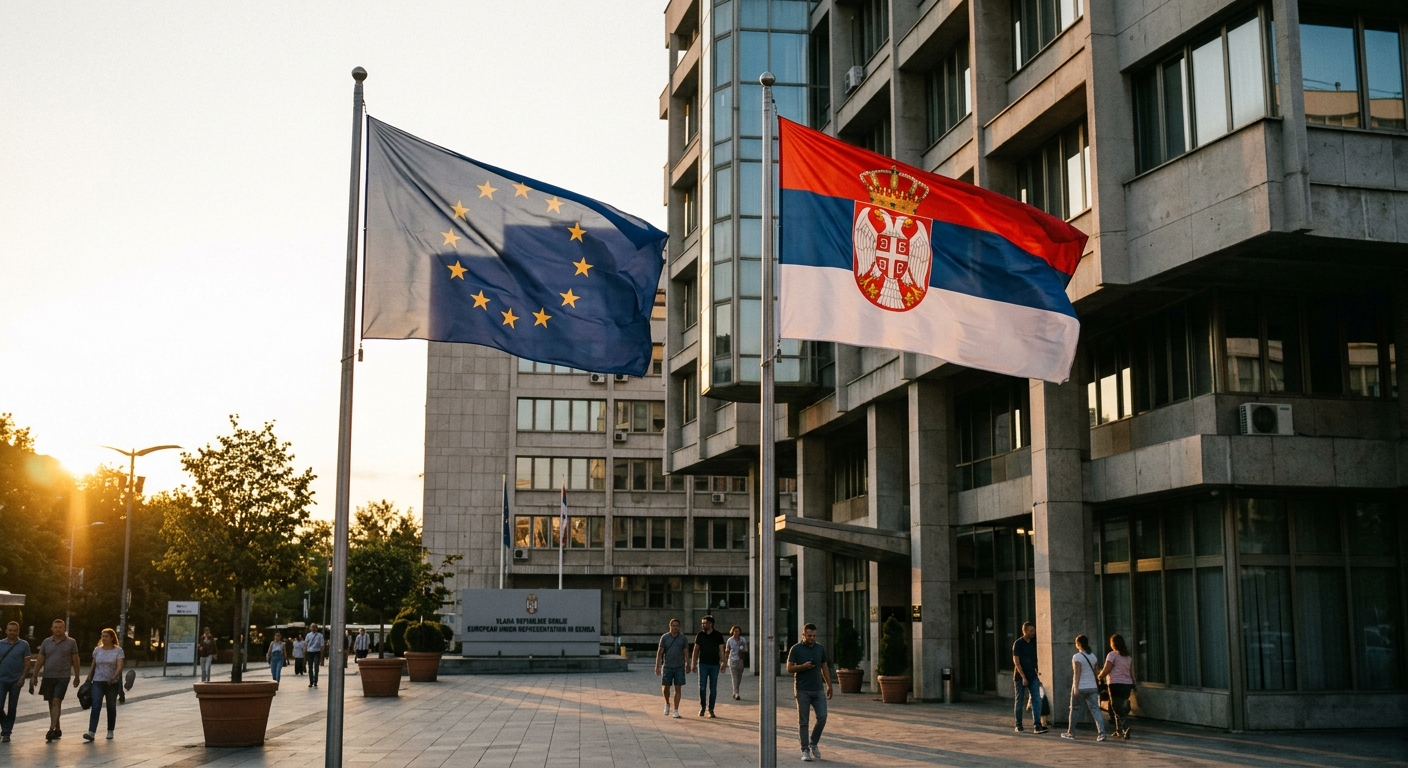
The issue has become more controversial because Serbia eventually turned to Russia for direct firefighting assistance. The Russian Il-76 aircraft is capable of carrying approximately 42 tonnes of water for firefighting operations. Russian authorities said Serbia requested the aircraft because the fire situation was worsening and populated areas were under threat. The aircraft arrived in Serbia on August 20 as emergency crews continued working to contain the fires. The decision has attracted criticism in Brussels because Serbia maintains close relations with Moscow while continuing its European Union accession process. Serbia has also not joined EU sanctions against Russia following its invasion of Ukraine. The question raised by European officials is therefore why Belgrade did not use the established European mechanism while the fires were spreading. The dispute has added another political dimension to an already serious emergency.
Earlier comments by Serbian President Aleksandar Vučić have also drawn attention. On August 16, Vučić said that both the EU and Russia had offered assistance, but that Serbia did not need outside help at that time because it had enough personnel, helicopters and other resources. Two days later, Serbia formally requested Russian assistance. The timing has since raised questions about whether additional European support could have been requested sooner. The Deliblato Sands is one of Serbia’s most important natural areas, making the prolonged fire particularly concerning. The blaze has affected large areas of forest and vegetation and created risks for protected habitats and wildlife. The Russian aircraft also faced a logistical challenge because Russian aircraft are generally restricted from European airspace under EU sanctions. However, humanitarian assistance is exempt from those restrictions, allowing Bulgaria to approve the aircraft’s passage through its airspace following a request from Belgrade.
The controversy is therefore about more than the response to a wildfire. It has once again highlighted Serbia’s complicated position between the European Union and Russia, particularly as the country continues its EU accession process. While firefighters and aircraft remain focused on containing the flames, Brussels is now asking why Serbia did not formally seek European assistance. The answer could become another point of discussion in the wider debate over Serbia’s relationship with both the EU and Moscow.