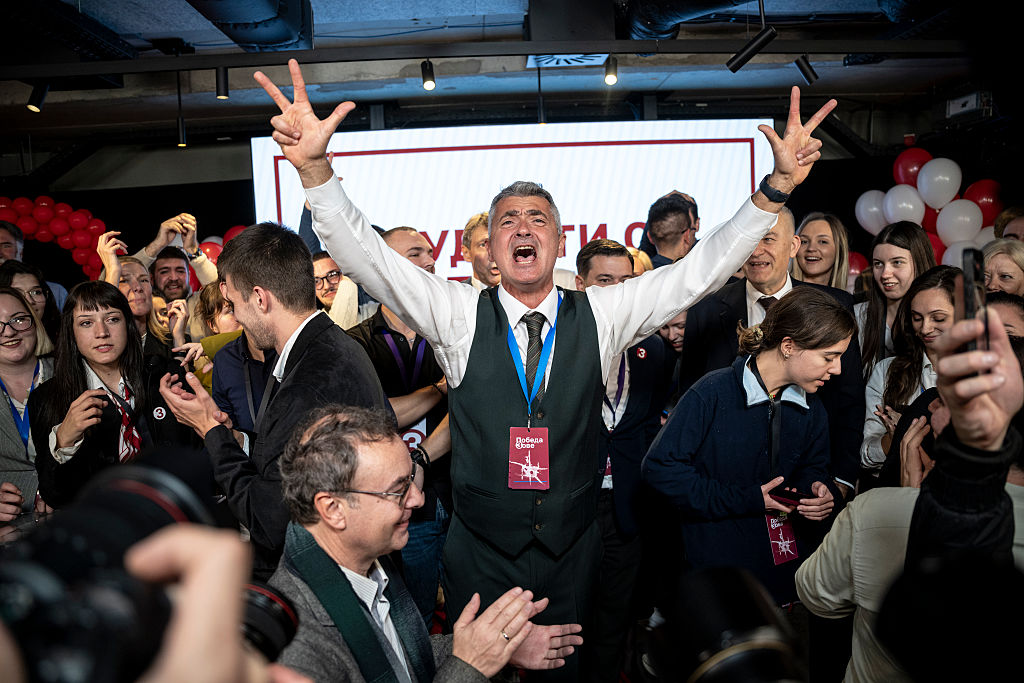
Serbia is heading toward snap parliamentary elections, with President Aleksandar Vučić announcing that the vote will take place on either October 18 or October 25, 2026. The exact date is expected to be confirmed in the coming days. The early elections come after months of political tensions and widespread student led protests that have challenged the government. The protests began following the November 2024 collapse of a railway station canopy in Novi Sad, a tragedy that killed 16 people and triggered a broader movement demanding accountability and political change. With an election now approaching, attention is increasingly turning toward the opposition and how it will organize for the vote. Several political groupings are beginning to take shape, with the possibility of three separate opposition columns emerging. One of the biggest questions is whether these groups will cooperate or compete against each other. The electoral threshold makes the decision particularly important because opposition parties that fail to receive enough votes could be left without representation in parliament.
The student movement has also become a major factor, with a possible student list expected to play an important role. This creates a complicated situation for traditional opposition parties. Joining forces with the student movement could increase their chances of challenging the ruling bloc, while separate lists could allow different groups to appeal to voters with different political priorities. Vučić has already framed the coming election as a contest between the ruling Serbian Progressive Party and other political options. However, the reality could be considerably more complicated if several opposition lists enter the race, potentially dividing the anti government vote. The timing is also significant, with an October 18 election requiring the vote to be called by September 3, while an October 25 election would require the formal call by September 10.
International observers are already preparing for the possibility of an early vote. The OSCE’s Office for Democratic Institutions and Human Rights has begun recruiting experts for a potential election observation mission following a needs assessment mission that visited Serbia in July. For the opposition, the next few weeks could therefore be crucial. The question is not simply whether parties will participate, but how they will participate and whether they can prevent the opposition vote from becoming fragmented. The emergence of a student backed political option adds another layer to an already unpredictable election and could make October’s vote one of the most significant political tests Serbia has faced in years.