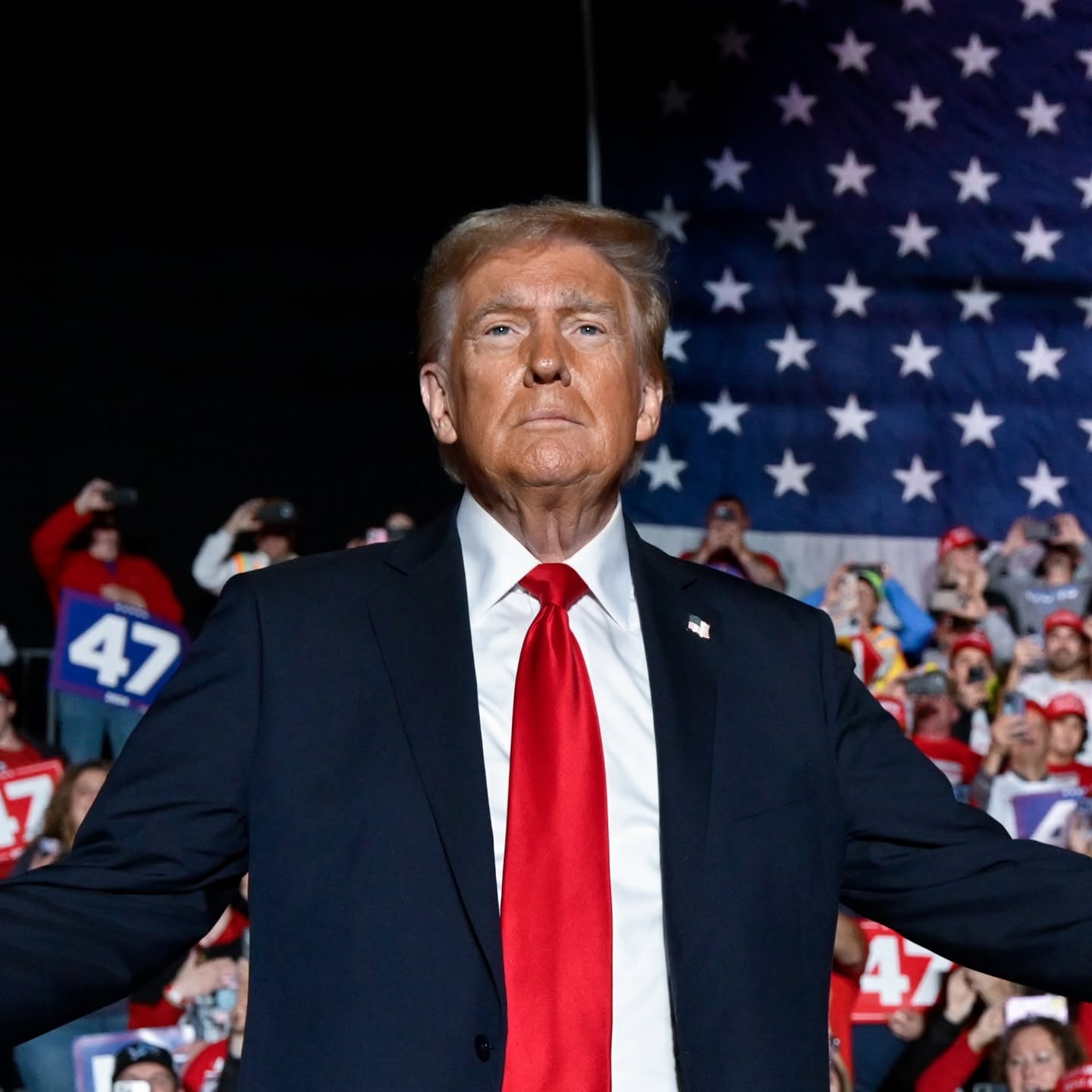
U.S. President Donald Trump has denied claims that his administration pressured Canada to change policies protecting the French language, adding another layer to the growing dispute between Washington and Ottawa. Trump said he would never interfere with Canadians speaking French and accused Prime Minister Mark Carney of using the issue for political purposes in Quebec. The controversy comes after the two countries failed to reach a new trade agreement following disagreements over tariffs and other economic issues.
Carney has claimed that U.S. negotiators wanted changes that could have weakened Canada’s French language protections, particularly regulations affecting digital and streaming services in Quebec. The province has strict rules designed to protect French language content and culture, making the issue highly sensitive. Trump strongly rejected the allegation, saying Washington had no intention of interfering with Canada’s language policies. The disagreement has added a cultural and political dimension to what was already a serious economic conflict between the two countries.
The trade dispute has continued to escalate, with Washington announcing new tariffs on Canadian products. Trump has also announced plans for 50 percent tariffs on Canadian vehicles, auto parts and steel starting January 1, 2027. Canada has responded with tariffs on more than $27 billion worth of U.S. goods, alongside financial support for businesses and consumers affected by the dispute. The tensions have also extended into other areas, with Trump even suggesting that the United States could consider renaming Lake Ontario as “Lake America.” Canadian officials, meanwhile, have largely avoided responding to his frequent social media statements.
Despite the increasingly heated rhetoric, the United States and Canada remain deeply connected economically, particularly in the automotive, energy, manufacturing and agricultural sectors. Both countries therefore have strong reasons to eventually return to negotiations. For now, however, the disagreement over French language protections has become another major source of tension, with Trump denying that Washington sought to interfere while Carney maintains that the issue was part of the American negotiating position. What began as a trade dispute is now increasingly touching culture, language, sovereignty and national identity.