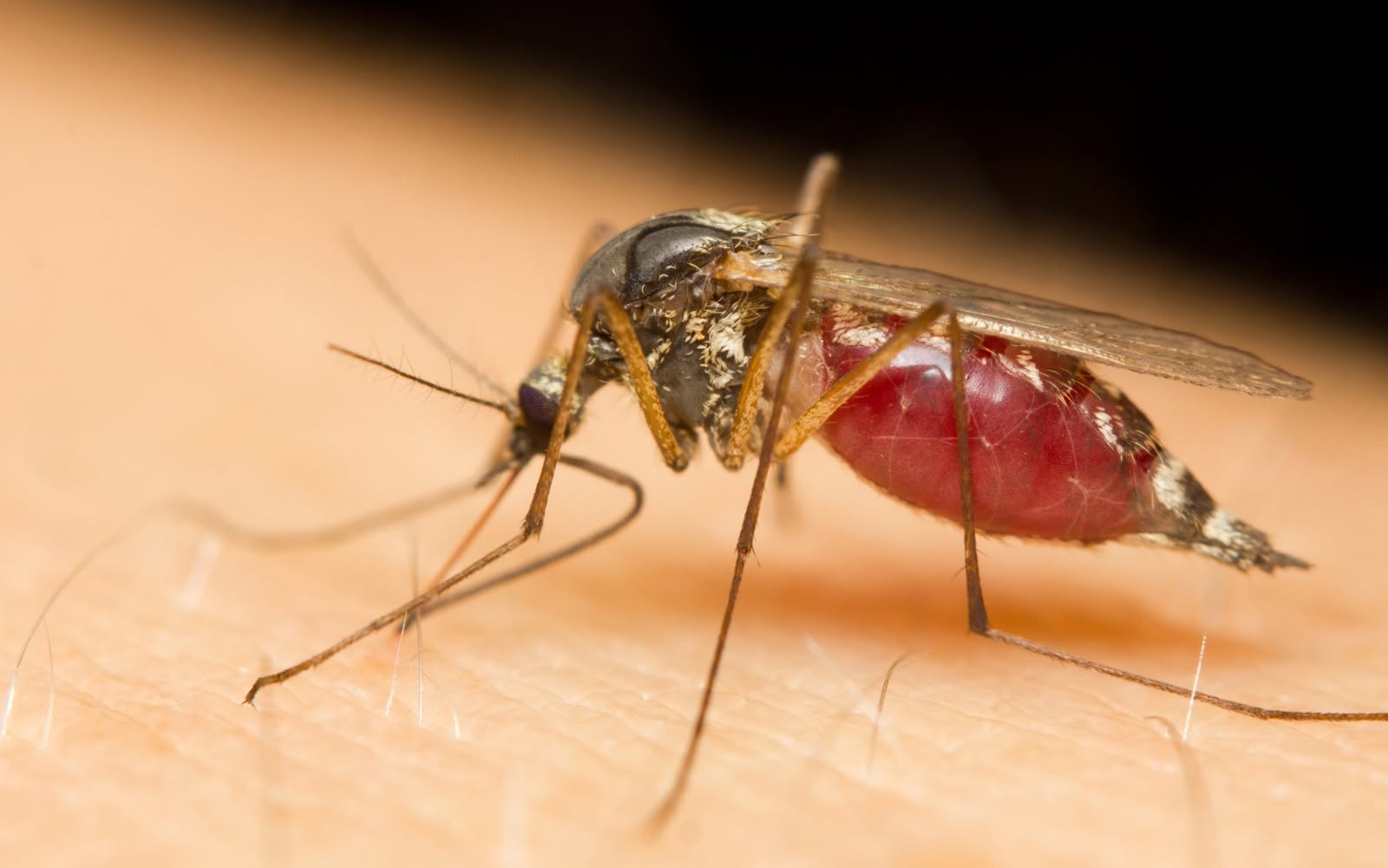
West Nile virus is continuing to spread across Europe, with new infections and deaths being reported in several countries during the summer mosquito season. Italy and Greece are currently among the countries experiencing the largest outbreaks, while cases have also been recorded in Serbia, Macedonia, Bulgaria, Romania, Spain, Germany, France, Austria and the Netherlands. The latest figures show that the virus remains a growing public health concern, particularly in areas where warm temperatures and conditions favorable to mosquitoes allow transmission to continue.
Italy has recorded 17 deaths from West Nile virus since the beginning of the year, while Greece has reported 19 deaths. In Greece, 232 infections had been recorded by August 26, including 47 new cases during the previous week, with 73 people hospitalized. Many of the severe cases have involved the central nervous system, including encephalitis and meningitis, while older people appear to face a particularly high risk of serious illness. Italy has also reported hundreds of cases, with infections recorded across numerous regions of the country.
The virus is also being closely watched across the Balkans. Serbia has recorded 11 cases so far this year, with 10 patients developing a more serious form of the disease. Macedonia has recently reported another death, bringing the country’s total number of deaths linked to West Nile fever to five. Bulgaria has also confirmed its first case of the year, while other European countries continue to report locally acquired infections. The growing geographic spread is attracting attention because West Nile virus is primarily transmitted through infected mosquitoes, meaning prolonged periods of heat can create favorable conditions for continued transmission.
Most people infected with West Nile virus do not develop noticeable symptoms, while others may experience fever, headache, fatigue, muscle aches or other mild symptoms. In a small proportion of cases, however, the infection can affect the nervous system and lead to serious conditions such as meningitis or encephalitis, which can be life threatening. There is no specific antiviral treatment for West Nile virus, so medical care focuses on managing symptoms and supporting patients with severe illness. Health authorities recommend reducing exposure to mosquitoes by using insect repellent, wearing clothing that covers exposed skin and avoiding areas with large numbers of mosquitoes, particularly during periods when the insects are most active.