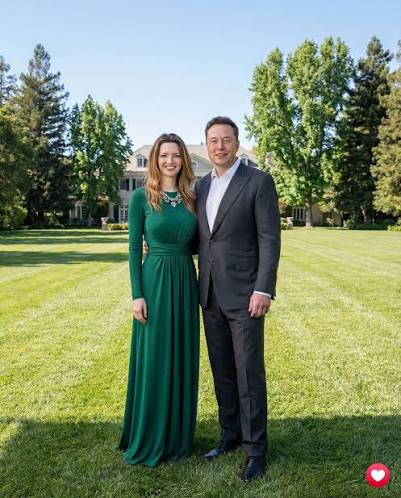
Elon Musk’s first wife, Justine Musk, has spoken publicly about their marriage in a new documentary about the billionaire entrepreneur, describing a relationship in which she says she was repeatedly made to feel insignificant and criticized. Justine, a Canadian author who was married to Musk from 2000 to 2008, is one of the central interviewees in Alex Gibney’s nearly four hour documentary Musk, which premiered at the Venice Film Festival this week. In the film, she reflects on the dynamics of their relationship and says she learned the term “gaslighting” through her experience with Musk. She also recalls that he frequently spoke to her in a way that made her feel as though she were an employee rather than his wife, while repeatedly pointing out what he believed was lacking in her. Her account offers a rare and personal look at the early years of Musk’s private life, long before he became one of the most powerful and controversial figures in the technology industry.
Justine also described one particularly striking moment from their wedding in 2000. According to her account in the documentary, Musk told her during their first dance that he was the “alpha” in their relationship. She said that the comment reflected a wider pattern in which he would assert control and regularly make remarks about qualities he believed she lacked. Justine had previously written about some of these experiences in a 2010 essay for Marie Claire, but her appearance in Gibney’s documentary represents one of her most extensive public discussions of the marriage in years. The couple had six children together, although their first child, Nevada, died from sudden infant death syndrome at 10 weeks old in 2002. Justine also challenges Musk’s public account of the child’s final moments, saying that she was the one holding Nevada when he died. The deeply personal experience became another part of the story she chose to revisit in the documentary.
The documentary also explores the complicated relationship between Musk and his daughter Vivian Wilson, who has become estranged from her father. Vivian, who was assigned male at birth and later transitioned, legally changed her name in 2022 and adopted her mother’s surname. Justine discusses the difficult relationship between Musk and Vivian and says that Musk has not made efforts to repair the relationship in the way she believes he could have. The film presents these personal stories alongside interviews with other people who have known Musk closely, including former partner Ashley St. Clair, Musk’s father Errol Musk and Tesla cofounder Martin Eberhard. Together, their accounts form part of Gibney’s broader examination of Musk’s personal life, business career and growing political influence. The documentary does not simply focus on his companies and technological ambitions, but also looks at the relationships and personal experiences surrounding one of the world’s most influential technology figures.
Musk himself did not participate in the documentary and has strongly criticized the project, describing it as a “hit piece” and questioning the filmmakers’ approach. His representatives have also challenged aspects of the film and accused Gibney of presenting a biased portrayal. Despite that criticism, the documentary has already attracted significant international attention because it brings together testimony from people who have had personal or professional relationships with Musk, including his former wife, former partners and longtime colleagues. Musk is scheduled for theatrical release in the United States on October 16, meaning the discussion surrounding the film is likely to continue as more audiences see it. For Justine, however, the documentary represents something more personal: an opportunity to revisit a marriage that ended nearly two decades ago and publicly describe experiences she says shaped her understanding of emotional manipulation and control.