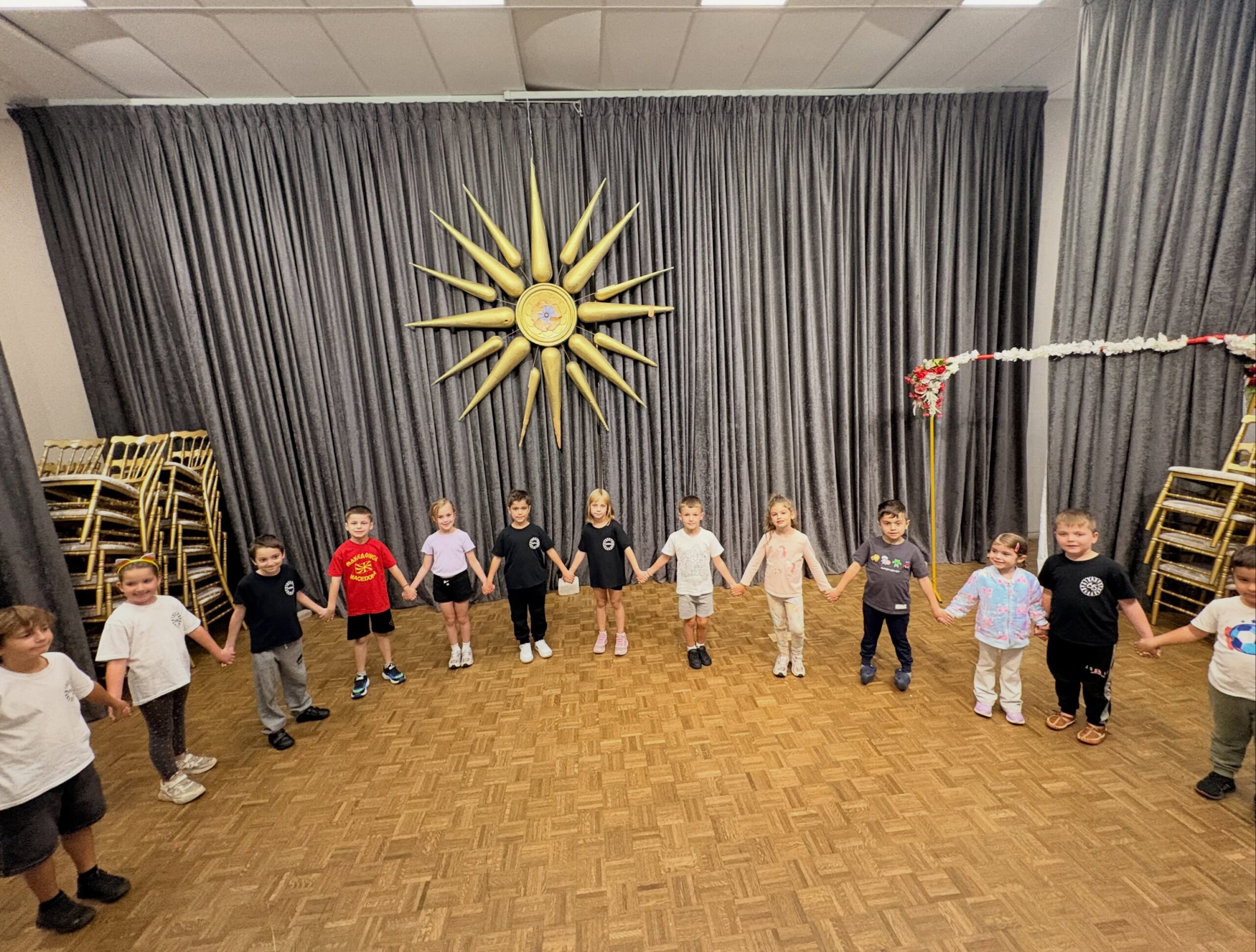
A new dance season is underway for Ensemble Makedonka in Toronto, bringing together young dancers discovering Macedonian folklore for the first time and returning members continuing a tradition that has connected generations of the Macedonian-Canadian community. In a recent social media post, the ensemble celebrated the opening day of the new season, welcoming a new group of minis while also greeting back its juniors, teens and seniors.
The message from Ensemble Makedonka described the first day as a memorable start to the season and highlighted the importance of every dancer as part of what the organization calls its dance family. Registration remains open until October 20, with children and families still able to join programs starting at age three.
Ensemble Makedonka Continues a Generational Tradition
For a community organization built around Macedonian folklore, the beginning of another season represents more than simply the return of weekly dance practices. Ensemble Makedonka has been part of Toronto’s Macedonian community for decades, with its history dating back to 1959. The organization says it was created to help preserve Macedonian traditions and continues to provide opportunities for younger generations to learn traditional dances, music and cultural customs.
That generational connection is particularly important within diaspora communities. Many young Macedonians growing up outside Macedonia experience their heritage through family gatherings, church events, community festivals, language, music and folklore. Dance can become another way for children to build a personal connection to that heritage, while also giving them an opportunity to share it with friends and other members of their community.
Ensemble Makedonka’s programs are structured for different age and experience levels. Its Macedonian Dance School introduces younger children to traditional Macedonian dance, while Mladi Makedonci provides an intermediate program for dancers who want to continue developing their skills. The senior Ensemble Makedonka serves as the organization’s professional performance group and represents Macedonian culture at events in Canada and beyond.
That structure also means that dancers can grow with the organization. A child who begins by learning basic steps can eventually progress into more advanced groups, gaining greater knowledge of regional dances and traditions along the way. The organization describes its programs not only as dance training, but also as a way of building friendships, learning about Macedonian history and customs, and creating a stronger connection between generations.
The community aspect has been part of Makedonka’s identity for much of its history. Past celebrations have brought together former dancers, current members and multiple generations, demonstrating how folklore groups can become long term parts of people’s lives rather than activities that end when a particular season does. The ensemble’s 65th anniversary celebrations in 2025, for example, included dancers from different generations and highlighted the organization’s long running role in the Canadian-Macedonian community.
Macedonian Folklore Connects Toronto to the Wider Diaspora
The group has also represented Macedonian culture beyond Toronto. Ensemble Makedonka says its dancers have performed at events across Canada, the United States and internationally, acting as cultural representatives for the Canadian-Macedonian community. Earlier this month, the Macedonian government’s Agency for Emigration also highlighted a performance by Ensemble Makedonka at the 52nd Annual American-Canadian Macedonian Orthodox Church Convention in Chicago, showing how the ensemble continues to participate in wider diaspora gatherings.
For families considering registration, the organization says its younger programs begin with children as young as four, while dancers at different experience levels can find opportunities to participate as they grow older. Its current season also includes the senior ensemble, which continues to train and perform as part of the organization’s broader cultural mission.
The significance of the new season therefore goes beyond the first practice of the year. Every new group of children joining a Macedonian folklore program represents another opportunity for traditions that have been passed through families to remain active in the next generation. For returning dancers, meanwhile, the new season offers a chance to continue developing their skills while remaining connected to a community built around shared heritage.
Ensemble Makedonka’s latest welcome message reflects that wider idea. The excitement surrounding the minis, the return of the juniors and teens, and the continued participation of the seniors shows an organization bringing several generations together through the same cultural tradition. In a diaspora community, that kind of continuity can help ensure that Macedonian songs, dances and customs remain familiar to young people growing up thousands of kilometres from Macedonia.
With registration open until October 20, the organization is still inviting new families to become part of the season. For Ensemble Makedonka, the beginning of another year of dance is ultimately also the beginning of another chapter in a tradition that has been carried by generations of Macedonians in Canada, one that continues to combine culture, community, friendship and a shared connection to Macedonian heritage.