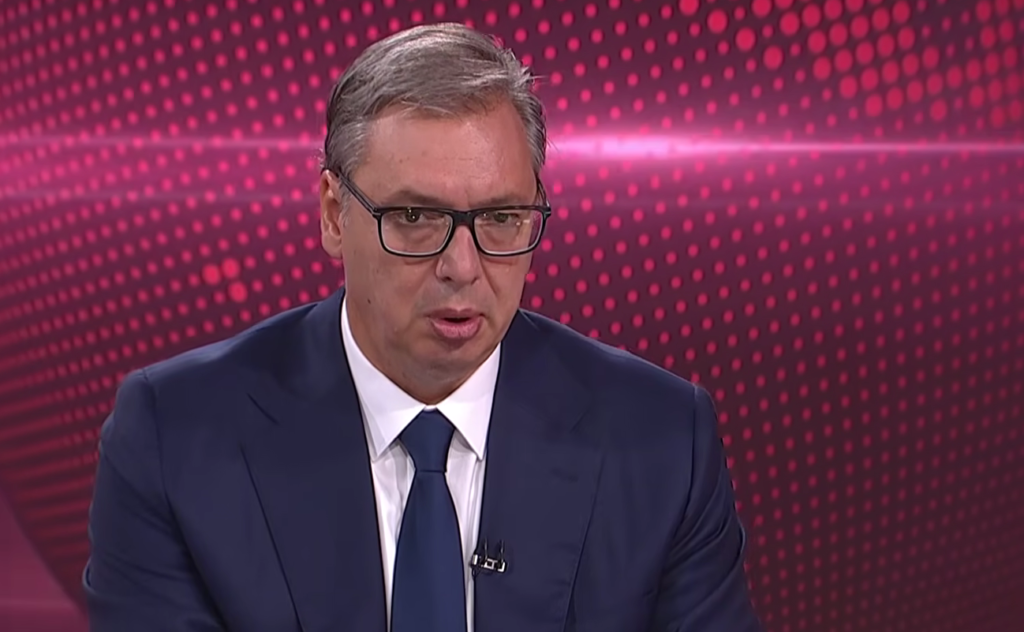
Montenegrin Prime Minister Milojko Spajić has announced a new government wage system that would significantly increase minimum salaries from January 2027, with monthly net pay ranging from €1,000 to €1,400 depending on the education level required for a job. The government says the so called “Euro Model” is expected to cover more than 250,000 employees and is designed to reduce the tax burden on labor while increasing workers’ take home income. A package of legislation needed to introduce the new calculation system was adopted by the government this week.
Under the proposed model, workers in positions requiring primary or lower education would receive a minimum net salary of €1,000, while jobs requiring secondary education would have a minimum of €1,250. Positions requiring higher education would carry a minimum net salary of €1,400. The government says the changes would apply across both the public and private sectors, with the largest percentage increases intended for workers currently earning the lowest salaries.
The scale of the proposal is particularly significant when compared with Montenegro’s current wage levels. According to the Statistical Office of Montenegro, the average net salary stood at €1,037 in July 2026, while the average gross salary was €1,238. That means the government’s proposed €1,400 minimum for positions requiring higher education would be considerably above the country’s current overall average net wage.
The government argues that the reform is not simply about raising gross labor costs, but about changing how salaries and taxes are calculated. Spajić said that workers would retain between 92 and 97 cents from every euro allocated by an employer toward their salary, depending on the income level. As an example, he said an employer currently spending €1,980 for a worker receiving €1,600 net would continue spending the same total amount under the new system while the employee would receive approximately €1,870.
Montenegro Wage Reform Targets Higher Take Home Pay
The proposal is based on further reductions in the tax burden on labor, according to the government. The idea is to increase employees’ net earnings without creating the same proportional increase in the total cost for employers. Spajić has also said that salaries above the minimum level could rise further if social partners agree to changes in the calculation coefficient covering both the public and private sectors. Under that additional scenario, he said the example salary could eventually exceed €2,000 net.
The announcement comes after several years of significant changes to Montenegro’s wage system. The government’s earlier “Europe Now 2” program raised minimum salaries to different levels according to education and targeted an average salary of around €1,000. The new proposal represents another substantial step in the government’s strategy of using tax and wage reform to increase disposable income and reduce the gap between earnings in Montenegro and more developed European economies.
Montenegro’s economy is also entering the reform with relatively strong wage and economic indicators, although inflation remains an important consideration. Official statistics show that real GDP grew by 3.8% year on year in the second quarter of 2026. At the same time, consumer prices in August were 4.5% higher than a year earlier, meaning that increases in nominal wages will need to be considered alongside changes in the cost of living.
Pensions are another major component of the government’s announcement. From 2027, pensions are expected to be adjusted four times a year under the proposed system, with the aim of allowing them to track wage growth more closely. Spajić said the average pension could rise above €600 by April, while the minimum pension would exceed €500. The government has also announced a €100 additional payment for every pensioner in December 2026 to help with winter expenses.
The government says it expects the additional spending associated with higher salaries and pensions to be supported by stronger consumption and employment, efforts to reduce the informal economy and greater fiscal discipline. Spajić also pointed to the possibility of additional revenue from the confiscation of illegally acquired assets. Another measure under consideration is taxation of vacant residential properties, particularly homes and apartments that remain unused while housing costs continue to put pressure on younger people.
The fiscal consequences of the reform are likely to be closely watched. Spajić said the government’s projections show a budget deficit of approximately 4% to 5% of GDP during the transitional year of 2027, followed by a reduction toward 3% in 2028. These are government projections rather than independently verified outcomes, meaning the eventual fiscal impact will depend on economic growth, tax revenues, employment, inflation and the actual implementation of the reforms.
The government’s argument is that higher salaries could also help address one of Montenegro’s longer term demographic challenges: the departure of workers seeking better opportunities abroad. Spajić has repeatedly presented wage growth as part of an effort to make remaining in Montenegro more attractive and to encourage members of the diaspora to return. The new model is therefore being presented not only as a tax and salary reform, but also as part of a broader economic strategy connected to the country’s European integration.
European integration is another important part of the government’s reasoning. Spajić said Montenegro has already received €89.3 million in disbursements under the EU Growth Plan and argued that reforms should allow the country to experience some of the economic benefits associated with European standards before formal membership. Montenegro is currently the EU candidate country that has advanced furthest in its accession negotiations, making economic convergence an important part of its broader European strategy.
Montenegro’s €1,400 Wage Model Faces Economic Tests
However, the proposed wage increases also raise questions about how businesses will adjust to higher labor costs and whether increased household income could place additional pressure on prices. Montenegro’s economy is particularly dependent on services and tourism, sectors where labor costs can have a direct effect on operating expenses. The government is therefore relying heavily on the reduction of labor related taxes and continued economic growth to help businesses absorb the changes.
The latest inflation data adds another dimension to the discussion. MONSTAT reported that consumer prices increased by 1.2% between July and August 2026 and were 4.5% higher than in August 2025. This means that the real improvement in household purchasing power will depend not only on the size of the wage increases but also on how prices develop after the new system takes effect.
For workers, the proposed reform would represent a substantial change in the structure of minimum earnings, particularly for those currently on lower salaries. For employers, the key issue will be whether lower labor taxation and stronger consumer demand can offset the pressure created by higher wages. For the government, the central challenge will be maintaining sufficient revenue and controlling the budget deficit while financing the additional costs associated with the reform.
The “Euro Model” is therefore one of the most ambitious economic measures announced by the Montenegrin government in recent years. Its implementation would significantly change the country’s wage structure, with minimum net salaries potentially reaching €1,000, €1,250 and €1,400 according to the education requirements of different positions. The government expects the measure to benefit more than 250,000 employees while also increasing pension payments and reducing labor taxation.
The next stage will be turning the government’s announcement into an operational system and observing its effects on employment, business costs, prices and public finances. Montenegro enters the reform with economic growth and an average net wage already above €1,000, but also with inflationary pressures and the continuing need to maintain fiscal stability. Whether the new wage model produces the government’s projected economic benefits will ultimately depend on how successfully higher incomes can be combined with productivity growth, investment, employment and sustainable public finances.