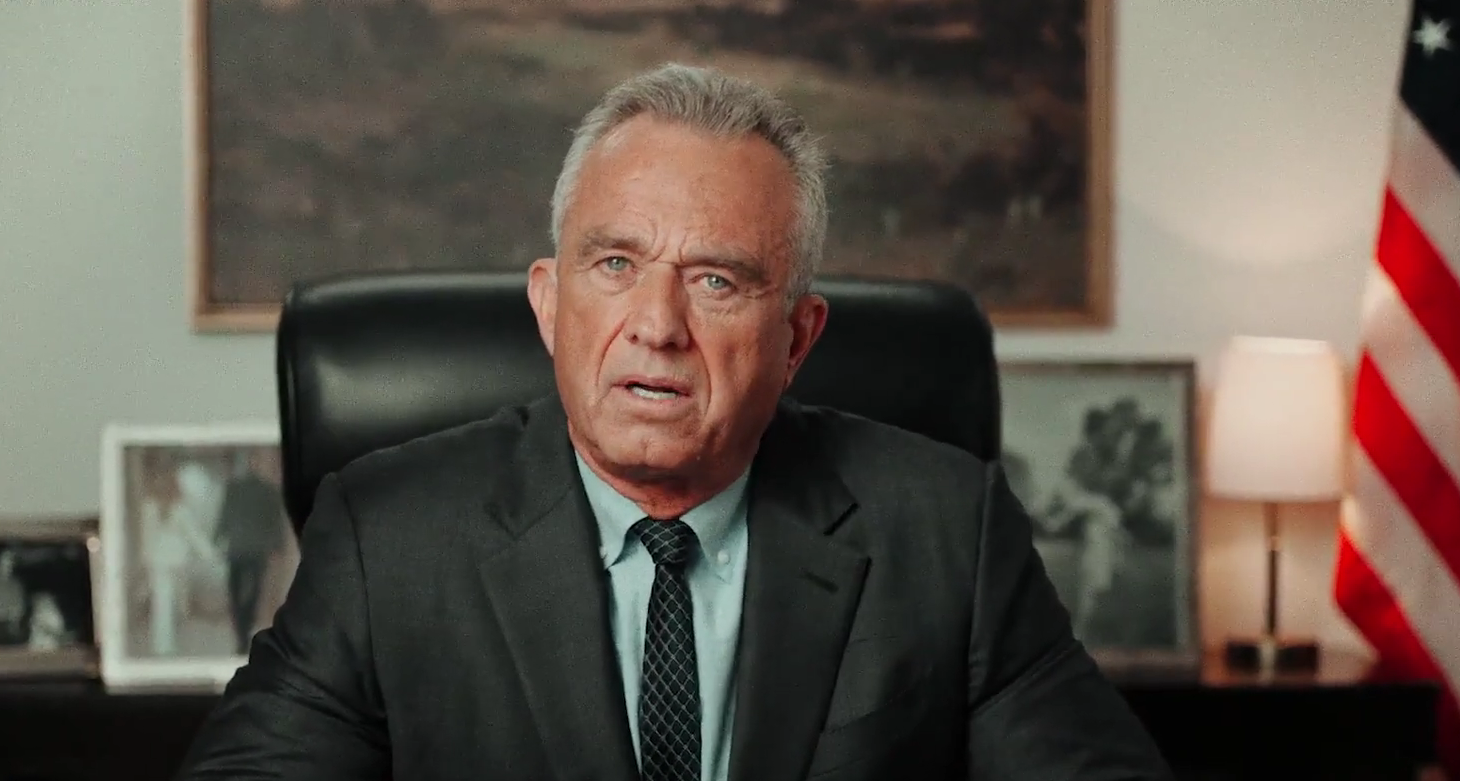
U.S. Health Secretary Robert F. Kennedy Jr. has appointed eight new members to the U.S. Preventive Services Task Force, restoring the panel to its full 16 member structure after a prolonged period of vacancies and postponed meetings. The Preventive Services Task Force plays an important role in American healthcare because its recommendations influence which preventive services, including certain cancer screenings and other medical interventions, must generally be covered without cost sharing by most private health plans under the Affordable Care Act.
The new appointments were announced Thursday through the Department of Health and Human Services and include specialists in cancer care, pediatrics, cardiology, gastroenterology, radiology and healthcare finance. Seth Corey, a pediatric hematologist oncologist at Cleveland Clinic, has been named chair. The new members join eight experts who were already serving on the panel. HHS said the appointments were intended to strengthen the task force’s ability to evaluate medical evidence and develop recommendations on preventive care.
The panel’s recommendations have a direct connection to healthcare coverage in the United States. Under the Affordable Care Act, most health insurance plans are required to cover preventive services receiving an “A” or “B” grade from the task force without patient cost sharing when the relevant requirements apply. The recommendations cover a wide range of services, including certain screenings, counseling and preventive medications. The USPSTF currently lists recommendations involving conditions such as cardiovascular disease, cancer, anxiety and other health concerns.
Because of that role, the task force is more influential than a typical medical advisory committee. Although its members are volunteers and the organization describes itself as independent, its recommendations can affect insurers, healthcare providers and millions of patients. Changes to the panel’s membership can therefore attract considerable attention from medical organizations and patient advocates.
Preventive Services Task Force Returns to Full Membership
The new group represents a somewhat different professional mix from the task force’s traditional composition. Among the eight new members are two cardiovascular specialists, a pediatrician, a pediatric hematologist oncologist, a gastroenterologist, a diagnostic radiologist, a family medicine physician and a healthcare finance researcher. HHS emphasized the members’ clinical experience and expertise in evaluating medical evidence, while professional organizations have raised questions about the balance between specialist and primary care perspectives.
The American Medical Association said maintaining a strong primary care voice would remain important as the panel resumes its work. The organization also emphasized that recommendations should continue to rely on a transparent and independent scientific process. AcademyHealth, an organization representing health services researchers and policy analysts, similarly welcomed the restoration of the panel while raising questions about its composition and the process used to select the new members.
The changes follow a period of disruption for the task force. The panel had not met for roughly a year, while several positions became vacant and leadership changed. Kennedy removed the task force’s chair and vice chairs earlier in 2026, while other members left after their terms expired. A scheduled meeting was also postponed during the period when the panel was being reorganized.
The Supreme Court had previously addressed the secretary’s authority over the task force. In June 2025, the court ruled in Kennedy v. Braidwood Management that the HHS secretary has the authority to appoint members of the panel. The decision was significant because the task force’s membership had become part of a legal dispute over the Affordable Care Act’s preventive care coverage requirements. The court’s ruling did not eliminate the task force or its role in evaluating preventive services.
The new appointments come as Kennedy has made broader changes to federal health advisory bodies. His administration has also altered the membership of the Centers for Disease Control and Prevention’s vaccine advisory committee. Those changes have generated debate among medical organizations about how federal health recommendations should be developed and how much influence political leadership should have over advisory bodies.
At the same time, supporters of the new task force lineup argue that adding specialists with experience in areas such as cancer, cardiovascular disease and medical imaging could bring additional expertise to complicated preventive care questions. HHS said the new members were selected for their ability to review scientific evidence and translate research into recommendations for clinical practice.
New Panel Faces Questions Over Evidence and Coverage
One of the immediate questions is when the reconstituted task force will begin meeting and reviewing recommendations. HHS had not announced a date for the next meeting when Reuters reported on the appointments. The panel has previously worked on recommendations covering areas such as cancer screening, cardiovascular health and preventive services for children and adults, meaning a return to regular meetings could eventually lead to updates in several areas of preventive medicine.
Another concern involves the research infrastructure supporting the task force. The panel receives support from the Agency for Healthcare Research and Quality, which helps provide evidence reviews used in developing recommendations. Aaron Carroll of AcademyHealth said rebuilding the membership alone would not fully restore the broader system of research and evidence needed for the panel to operate effectively. He pointed to reductions in AHRQ’s workforce and the cancellation of research grants as additional challenges.
The debate is therefore not only about who sits on the task force, but also about how medical evidence is collected, reviewed and converted into national recommendations. For healthcare providers, insurers and patients, confidence in that process can be important because recommendations may influence both clinical decisions and the cost of preventive services.
Cancer organizations have also been watching the task force’s return closely. Lisa Lacasse, president of the American Cancer Society Cancer Action Network, said the panel has important work ahead in updating recommendations as scientific evidence develops. The task force’s recommendations can have consequences for screening practices and for the availability of certain preventive services without additional costs to patients.
The reconstitution of the panel therefore marks an important step toward restarting its regular work, but it does not immediately resolve the wider questions surrounding federal health policy. The new members will have to establish their working process, review available evidence and begin considering recommendations while operating under increased attention from medical organizations, policymakers and the public.
Ultimately, the appointments restore a full 16 member Preventive Services Task Force after a period of vacancies and delayed activity. The next stage will be watching how the newly constituted panel conducts its reviews and whether its recommendations maintain the evidence based approach expected by medical organizations while addressing the administration’s stated focus on prevention and chronic disease. Its future decisions could affect preventive healthcare guidance and insurance coverage for patients across the United States.