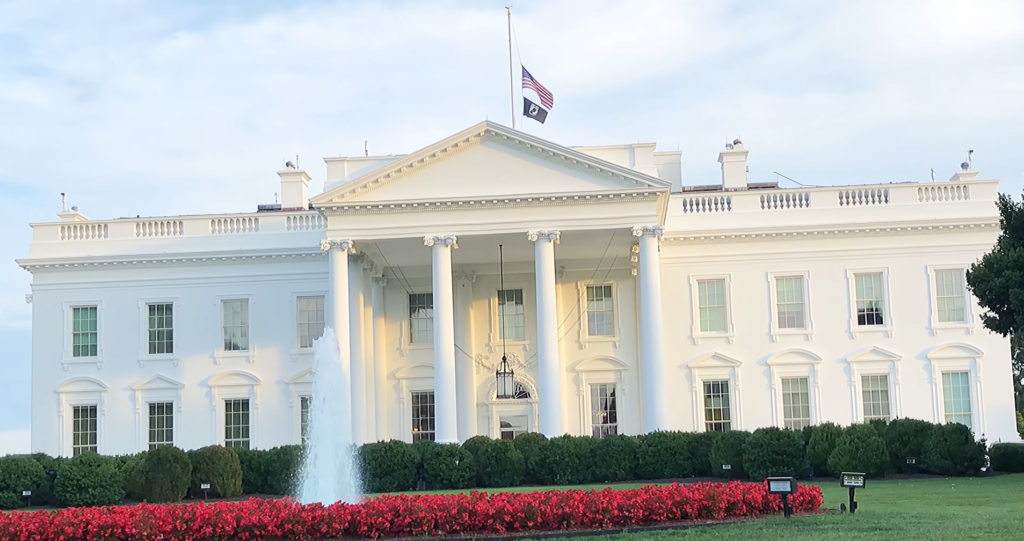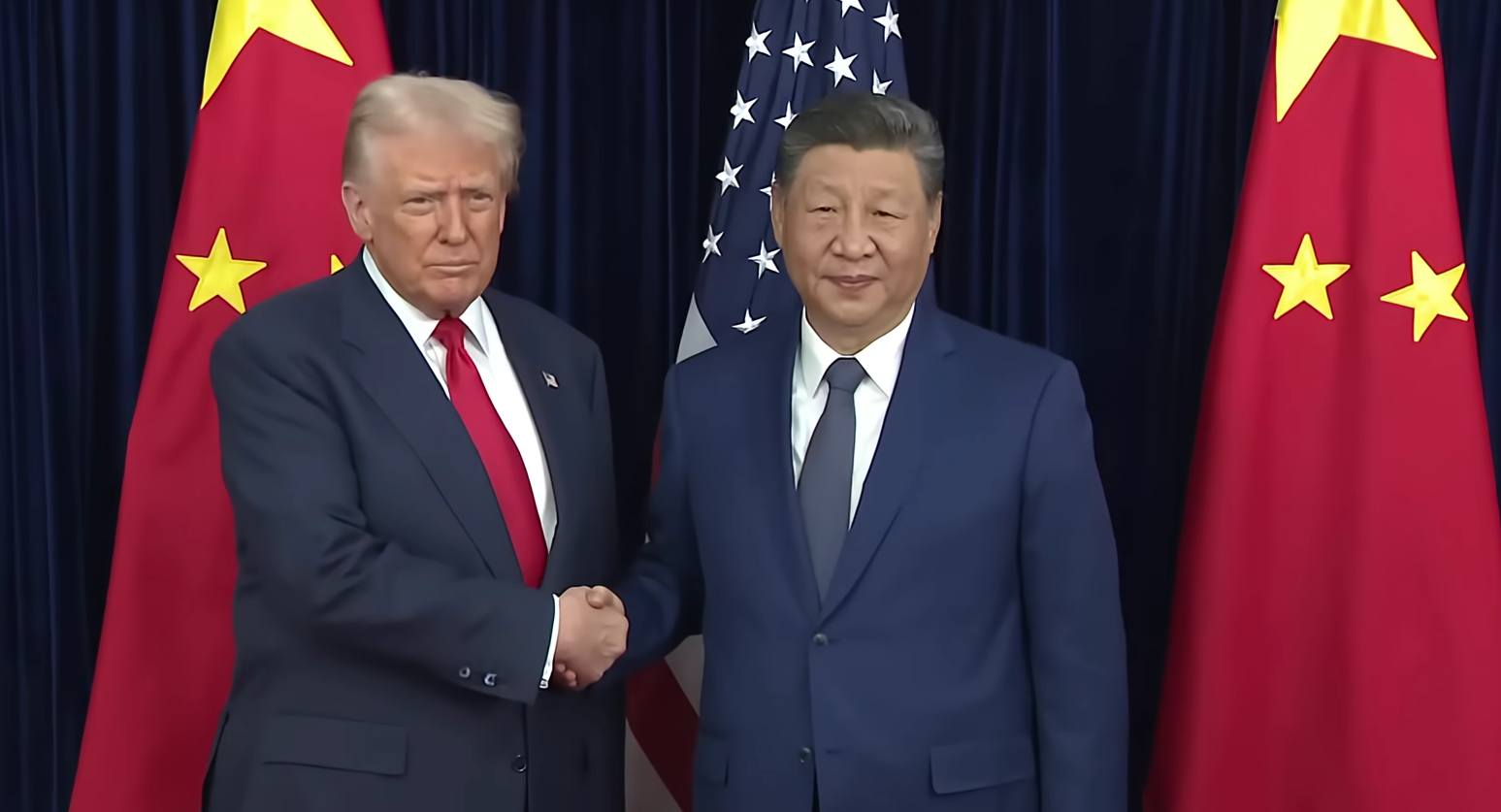
U.S. President Donald Trump and Chinese President Xi Jinping are preparing to meet in Washington on September 24 for their second summit of the year, with trade, Taiwan, Iran, artificial intelligence and efforts to curb the flow of fentanyl related chemicals expected to dominate the discussions. The Trump Xi Washington summit comes as Washington and Beijing attempt to stabilize a relationship shaped by economic competition and disagreements over technology and regional security.
Trade is expected to be one of the most immediate issues. The two governments have been operating under a temporary tariff arrangement that helped prevent an escalation of the trade conflict between the world’s two largest economies. Markets will be watching for indications that the agreement will be extended before its current deadline in November, as businesses remain concerned about the effect renewed tariffs could have on supply chains and consumer prices.
Washington is also seeking additional purchases of American goods from China. U.S. Trade Representative Jamieson Greer has said the two countries are expected to make announcements involving agriculture and other trade barriers. Agricultural exports, particularly soybeans, are an important part of the negotiations, while the United States is also looking for progress on purchases of American manufactured goods.
Aircraft could become another highly visible part of the economic discussions. China said after the leaders’ May meeting that it would purchase an initial 200 Boeing aircraft, while industry sources have described a potentially larger order involving hundreds of planes. The White House has presented the Boeing commitment as part of a broader effort to increase American exports and support manufacturing jobs.
Beijing, meanwhile, has its own priorities. Chinese officials have been seeking greater access to U.S. technology and relief from restrictions affecting advanced computing and other strategic industries. Washington is simultaneously pushing China to improve the availability of rare earth elements and other critical minerals that are important to industries ranging from automobiles and electronics to aerospace.
Trade and Taiwan Take Center Stage
The two governments therefore enter the Trump Xi Washington summit with a mixture of cooperation and competition. Both sides have incentives to avoid another sharp escalation in tariffs, but disagreements over technology, industrial policy and supply chains remain unresolved. The White House has also continued to pursue policies designed to increase economic reciprocity with foreign trading partners, adding another layer to the broader trade relationship.
Taiwan is likely to be one of the most sensitive subjects. China considers Taiwan part of its territory and has long opposed what it describes as moves toward Taiwanese independence. The United States does not maintain formal diplomatic relations with Taiwan but has extensive unofficial relations with the island and remains its most important international source of defense equipment.
The issue has gained additional attention ahead of the summit because of questions surrounding future U.S. arms sales to Taiwan. Reuters has reported that some U.S. allies in Asia are watching closely for any change in Washington’s language or policy toward the island. Trump previously described a pending U.S. arms package for Taiwan as a negotiating tool, while Chinese officials have continued to press Washington over military support for Taipei.
Any major change in the traditional U.S. approach to Taiwan would have broader regional implications, making the subject particularly sensitive for countries such as Japan and South Korea. At the same time, neither government has indicated that the summit is intended to resolve the fundamental disagreement over Taiwan. The issue is therefore more likely to be part of the wider discussion about security and the overall U.S.-China relationship.
Iran is another issue expected to enter the talks. China maintains extensive economic relations with Iran and is the country’s largest buyer of Iranian oil. Washington has been seeking international pressure on Tehran during the continuing conflict, while Beijing has maintained diplomatic and economic ties with the Iranian government.
U.S. officials are particularly interested in whether China can play a role in efforts involving Iran. Treasury Secretary Scott Bessent is expected to meet Chinese Vice Premier He Lifeng before the presidential summit, with discussions reportedly including China’s economic relationship with Tehran. Trump has also recently played down reports alleging that Chinese entities provided satellite imagery to Iran before an attack on a U.S. base in Jordan, while Beijing has rejected accusations that it violated international obligations.
AI, Fentanyl and Wider U.S.-China Competition
Artificial intelligence adds another modern dimension to the relationship. The United States and China are competing for leadership in advanced AI, with the technology increasingly connected to economic growth, military capabilities and national security. Both countries also face concerns about the potential misuse of increasingly autonomous systems.
There are some areas where experts believe limited cooperation could be possible. U.S. and Chinese security specialists have proposed measures such as maintaining human control over critical military systems and creating direct communication channels to reduce the risk of an AI related incident escalating during a crisis. However, the broader competition over advanced chips, computing infrastructure and AI models makes a major agreement difficult.
The United States is also expected to raise the issue of fentanyl precursor chemicals. Washington has repeatedly pressured Beijing to prevent companies from supplying chemicals that can ultimately be used to manufacture illicit fentanyl. The issue has already played a role in U.S. trade policy, while the FBI has been developing closer law enforcement contacts with Chinese authorities.
For both governments, the summit is therefore about more than a single trade agreement. Economic ties remain enormous, but the relationship also involves competing strategic interests in technology, regional security, supply chains and international diplomacy. The two sides have demonstrated that they can reach temporary agreements in selected areas while continuing to disagree on major questions.
The September 24 meeting will be watched for concrete commitments as well as the tone of the relationship. Potential announcements on tariffs, agriculture, aircraft, critical minerals or technology restrictions could have immediate economic consequences, while statements on Taiwan, Iran and AI would provide indications of how Washington and Beijing intend to manage their wider strategic competition.
The summit is unlikely to eliminate the fundamental differences between the United States and China. Its significance will instead depend on whether Trump and Xi can use negotiations to keep those disagreements from developing into broader economic or security confrontations. With several major issues on the table, the meeting will provide another test of whether the world’s two largest economies can maintain dialogue while competing across an increasingly wide range of areas.