The planned withdrawal of the Narodna Srbija election list could change the numbering of several parties on Serbia’s parliamentary ballot and potentially confuse some voters.
Although the coalition had decided to support the Student List, it still submitted its own candidates and signatures to the Republic Electoral Commission, known as RIK. Several days later, it formally requested that the list be withdrawn.
The coalition said the move demonstrated its organizational strength and level of public support. However, parties whose lists were approved afterward were temporarily unable to promote their assigned ballot numbers because those numbers could change.
Coalition Collected Signatures Before Withdrawing
The Narodna Srbija coalition includes the People’s Movement of Serbia, the New Face of Serbia and the Ecological Uprising.
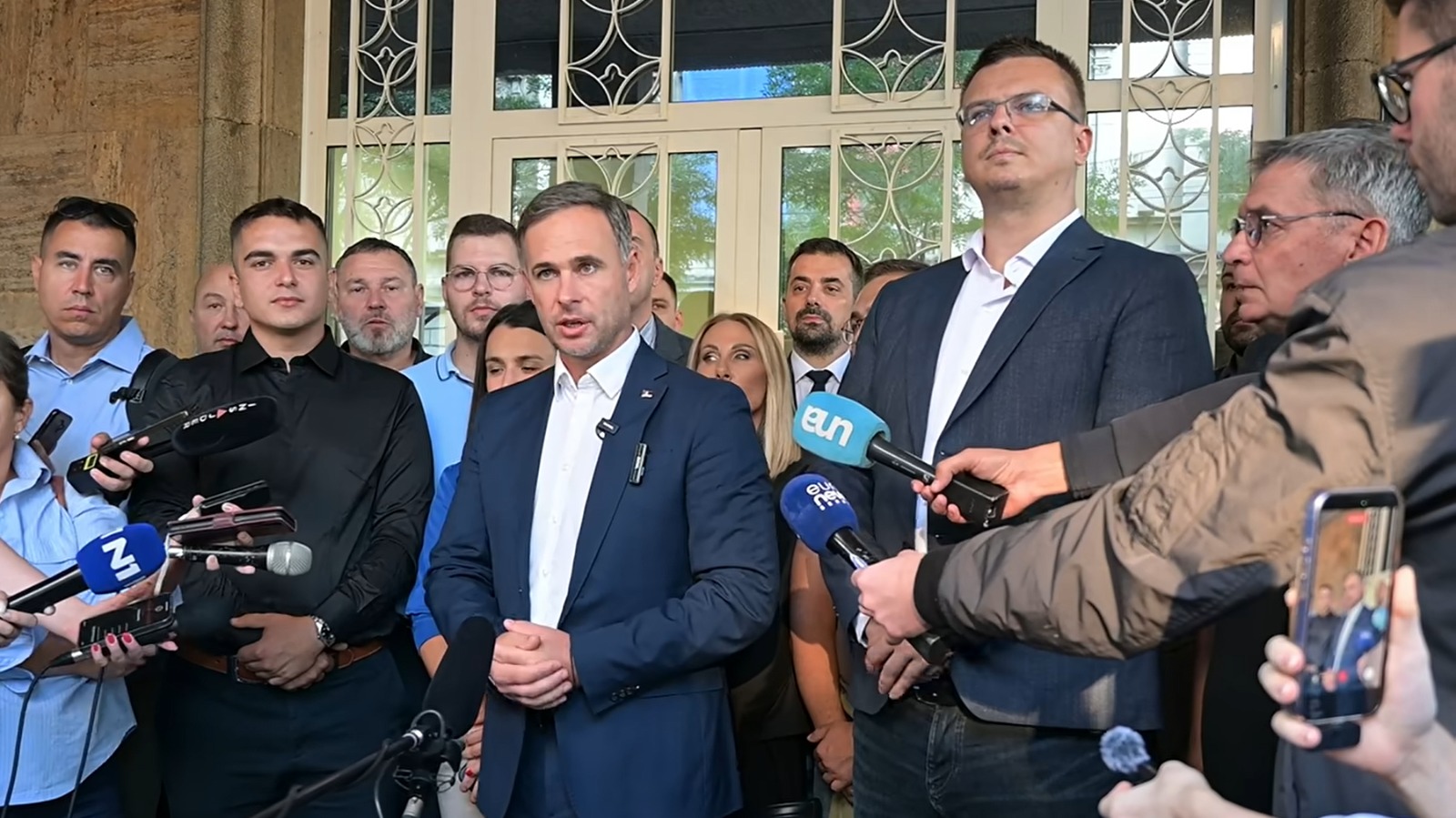
People’s Movement of Serbia President Miroslav Aleksić said the coalition collected 10,500 signatures but concluded that withdrawing and supporting the students was the best decision.
The original submission was short by 67 valid signatures. Those signatures were later provided, allowing RIK to approve the list.
Tamara Bajčić, executive director of the research organization Demostat, described the sequence of submitting signatures, correcting the application, securing approval and then announcing a withdrawal as confusing.
She warned that leaving the list on the ballot could mislead some voters and potentially hurt the Student List. Bajčić said formally removing the coalition from the ballot would be the most logical outcome.
The coalition submitted its official withdrawal request to RIK on Tuesday. A final decision had not been announced when the report was published.
NPS Says It Proved Its Organizational Strength
People’s Movement of Serbia Vice President Aleksandar Ivanović said the party wanted to demonstrate that it was not leaving the race because it lacked organization, infrastructure or voter support.
According to Ivanović, the party has local branches in more than 100 cities and municipalities, more than 250 local council members, a parliamentary group in Serbia’s National Assembly and representatives in the provincial legislature.
He said the coalition collected the required signatures in only three days, proving that it could independently organize and participate in the election.
However, Ivanović said the political atmosphere had turned the election into what he described as a referendum between the current system and those seeking political change. The coalition therefore decided to direct all of its resources toward the Student List.
The withdrawal also affected the European Serbia coalition. Zdravko Ponoš said the uncertainty prevented his coalition from promoting its expected ballot number for several days.