Serbia’s winter energy supply is entering the heating season in a relatively stable position, backed by record gas reserves, growing coal stockpiles and more than 50,000 metric tons of fuel oil expected to be available within weeks.
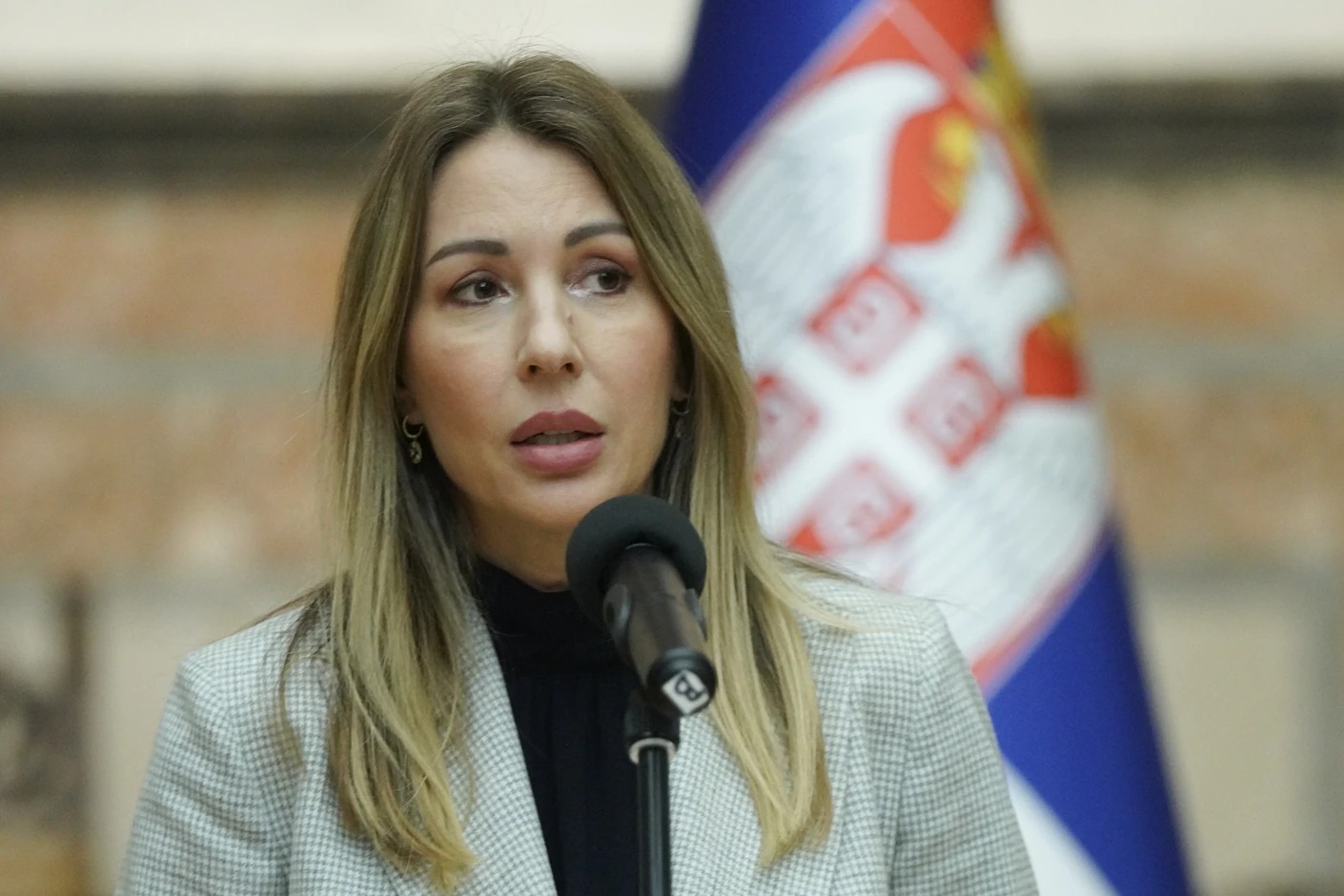
Mining and Energy Minister Dubravka Đedović Handanović said Serbia currently has more than 700 million cubic meters of natural gas in storage—the highest level recorded so far.
The government also expects its favorable Russian gas supply arrangement to be extended through the end of the year. However, the minister said it was still too early to determine the price because it would depend on market conditions when the extension is negotiated.
She added that Russian gas currently remains considerably cheaper than prevailing market terms, while the supply route continues to be strategically important for Serbia.
Record Gas Reserves Support Serbia Winter Energy Supply
Coal inventories at Serbia’s thermal power plants have reached approximately 1.8 million metric tons. The government’s target is to increase those reserves to two million tons before winter.
Fuel oil is also being regularly purchased for thermal power plants, with inventories expected to exceed 50,000 metric tons in the coming weeks.
Coal production has remained above plan in recent months, while scheduled maintenance on mining systems has been completed. Remaining work on thermal power units and one hydropower unit should be finished by November 1.
Serbia has invested around €450 million in coal production, including new mining equipment for the Radljevo and Field E mines. The first effects of those investments are already visible at Radljevo, while output at the Drmno mine is also above target.
The country is importing coal exclusively from Indonesia to improve the quality and calorific value of fuel used at the Nikola Tesla thermal power plant complex.
Coal Stocks Rise as Hydropower Output Falls
The main challenge for Serbia’s electricity system has been an exceptionally poor hydrological year.
Water inflows along the Danube have remained at historically low levels since May and are expected to stay weak through October. According to the minister, this is the worst hydrological year since the Đerdap hydropower system was built.
Serbia’s two largest hydropower plants produced only about 40% of their long-term average output in August. The shortfall was covered through increased production at the reversible Bajina Bašta hydropower plant and electricity purchases on the open market.
Those purchases affected the finances of state power utility EPS, but Serbia did not experience electricity shortages. The minister nevertheless urged households and businesses to use energy responsibly.
Serbia plans to import approximately 6,931 gigawatt-hours of electricity in 2026, around 14% less than the record level imported during the previous year.
Despite pressure from low hydropower production and volatile international energy markets, the combination of record gas reserves, higher coal output and expanding fuel oil inventories is expected to strengthen Serbia’s winter energy supply.