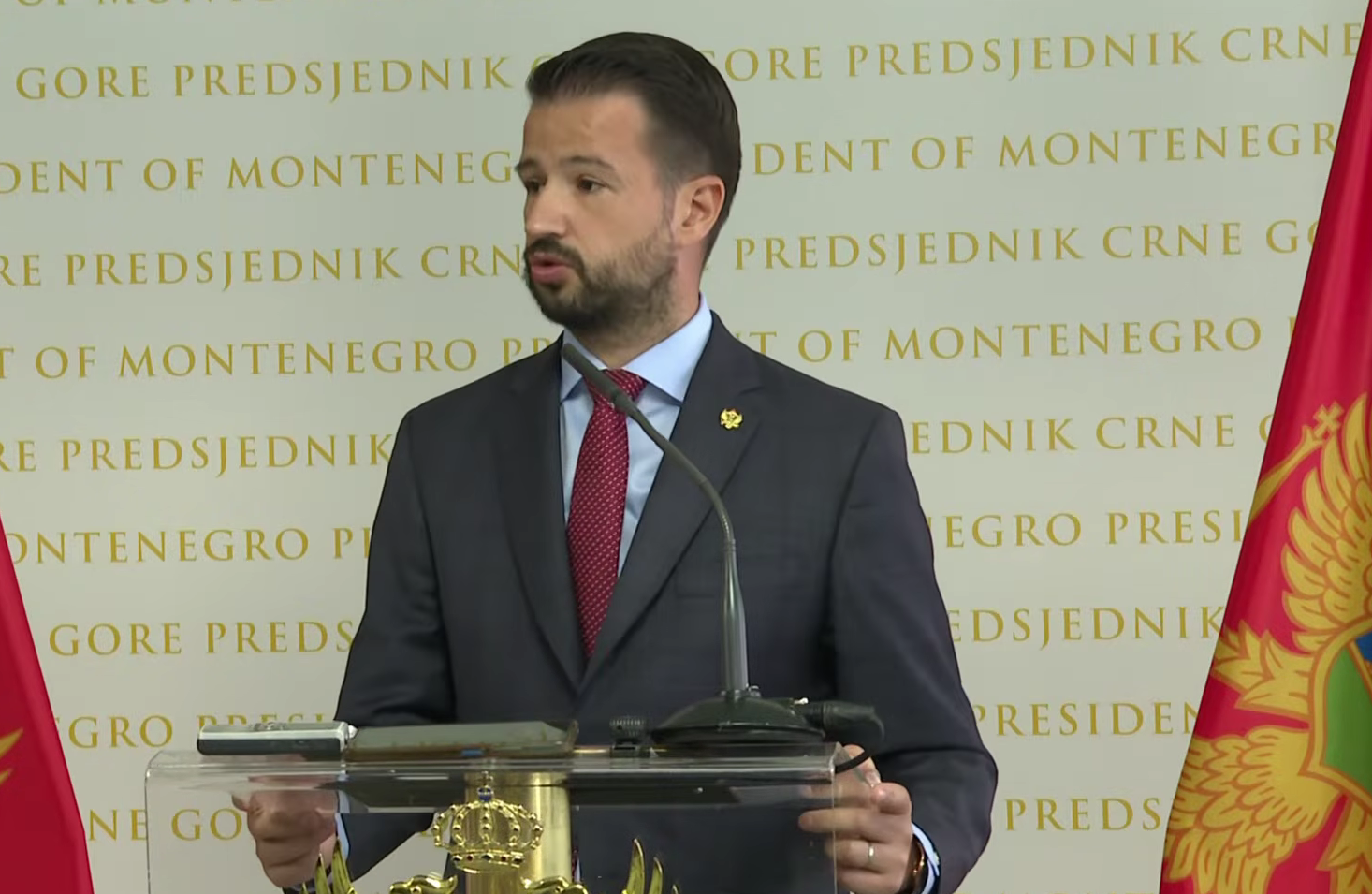
Montenegrin President Jakov Milatović used his address to world leaders at the 81st United Nations General Assembly to place European Union membership at the center of Montenegro’s international agenda. Speaking during the General Debate in New York, Milatović said his generation has a responsibility to complete the country’s European path by 2028, presenting the target as a long term national objective and as an opportunity for the Western Balkans to move beyond the divisions of the past.
Milatović emphasized that Montenegro remains committed to multilateralism, regional cooperation, international law and European integration. He argued that EU membership should not be viewed simply as a political destination, but as a process based on democratic and institutional values. He also pointed to Montenegro’s 20 years of membership in the United Nations as an important milestone in the country’s development as an independent state.
Montenegro’s EU Accession Progress Builds 2028 Ambition
The Montenegro EU accession process has made measurable progress in recent years. The country began accession talks in 2012 and has opened all 33 negotiating chapters. By July 2026, 18 chapters had been provisionally closed, following a series of agreements with EU member states during the year. The European Commission has also described Montenegro as a frontrunner in the enlargement process.
Progress accelerated during 2026. Two chapters were provisionally closed in January, another in March, two more in June and two in July. The areas covered include financial control, trans European networks, free movement of workers, consumer and health protection, competition policy and the customs union. While provisional closure represents progress, the EU stresses that individual chapters are not considered final until an overall accession agreement has been reached.
Another important development came in June, when the European Commission presented a financial package designed to prepare for Montenegro’s eventual transition from candidate country to EU member. The Commission said an ad hoc Council working group had also been established to prepare Montenegro’s accession treaty. At the same time, Brussels stressed that continued reform momentum and fulfillment of the membership requirements remain necessary for further progress.
That distinction is important when considering the 2028 target. Milatović’s statement represents Montenegro’s political ambition, but membership ultimately depends on completing accession negotiations, meeting the required standards and receiving the necessary approval from the EU and its member states. The progress made so far provides a foundation for the target, but the remaining stages still require substantial work.
The rule of law and institutional reforms remain particularly important. The accession process covers areas ranging from the judiciary and fundamental rights to environmental policy, competition, agriculture, public administration and financial controls. Montenegro has already opened all negotiating chapters, but the EU continues to monitor implementation and expects reforms to remain effective rather than simply being adopted formally.
The European Commission has repeatedly linked Montenegro’s progress to maintaining political commitment and broad support for the European agenda. During a July visit, EU Enlargement Commissioner Marta Kos said continued reform momentum would be essential for keeping Montenegro on track with its ambitious timeline. She also met government, parliamentary and opposition representatives, underlining the importance of sustained political support for the accession process.
Montenegro’s EU Future Has Wider Regional Significance
Milatović also used his UN address to place Montenegro’s European ambitions within a broader regional context. He argued that the future of the Western Balkans lies within the European Union and presented Montenegro as a potential example for other candidate countries. His message comes at a time when EU enlargement has gained renewed strategic importance amid security concerns, geopolitical competition and a changing international environment.
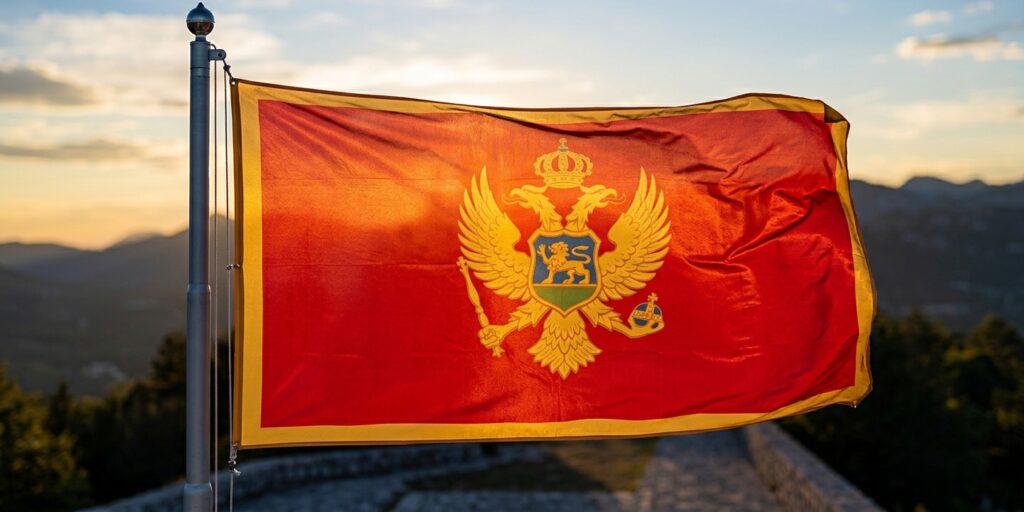
The president connected that discussion with Montenegro’s experience as an independent member of the international community. The country joined the United Nations in 2006, shortly after restoring its independence, and this year marks two decades since the Montenegrin flag was first raised at UN headquarters in New York. The United Nations has highlighted the two decade partnership with Montenegro in areas including institutional development, education, healthcare, environmental protection, democratic governance and the rule of law.
Milatović’s broader message was that international cooperation remains important at a time marked by wars, geopolitical rivalries, climate challenges and rapid technological change. He called for renewed confidence in multilateral institutions and international law, arguing that these mechanisms remain important for protecting peace, security and human dignity.
The 2028 objective therefore combines a domestic political goal with a wider European message. For Montenegro, joining the EU would represent the culmination of more than a decade of formal accession negotiations and years of reforms. For the wider Western Balkans, Montenegro’s progress is being closely watched as a possible indication of how quickly a candidate country can advance when negotiations, reforms and political support move forward together.
Montenegro has already reached several important milestones on that path, including opening every negotiating chapter and beginning preparations connected to an eventual accession treaty. However, the remaining process will depend on continued reforms, the closing of outstanding chapters and agreement among EU member states. The 2028 date is therefore best understood as an ambitious political target rather than a guaranteed accession date.
Milatović’s UN speech ultimately placed Montenegro’s European future at the center of its international identity. With the country marking 20 years of UN membership and making substantial progress in its EU negotiations during 2026, the president used the global stage to argue that the next major milestone should be membership in the European Union. Whether the 2028 ambition can be achieved will depend on the pace of reforms and negotiations in the coming years, but Montenegro’s current accession progress has given the goal a more concrete foundation than in previous stages of the process.