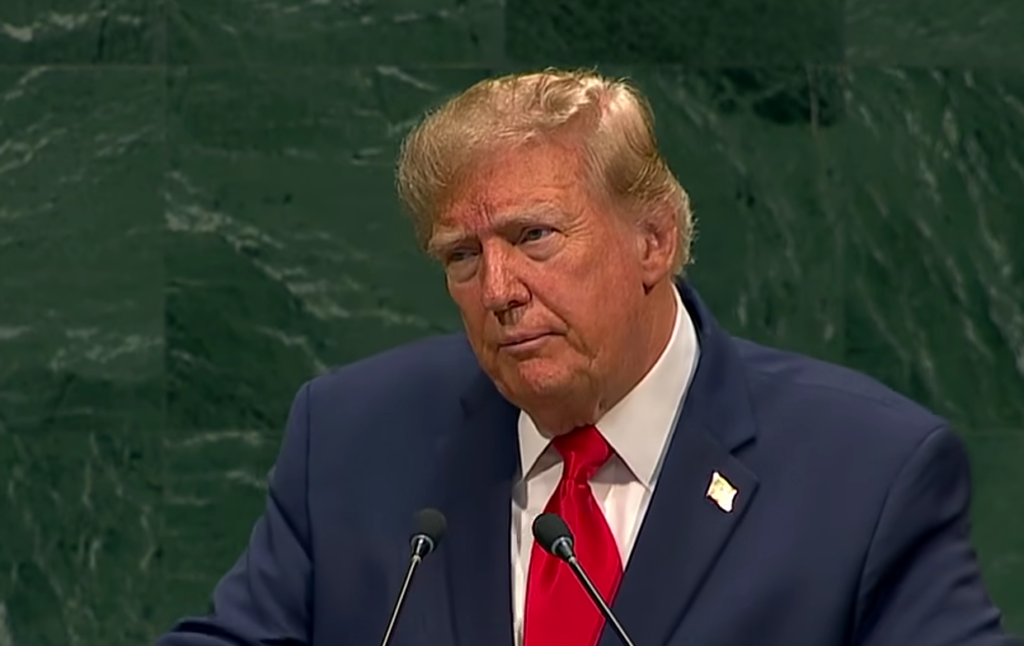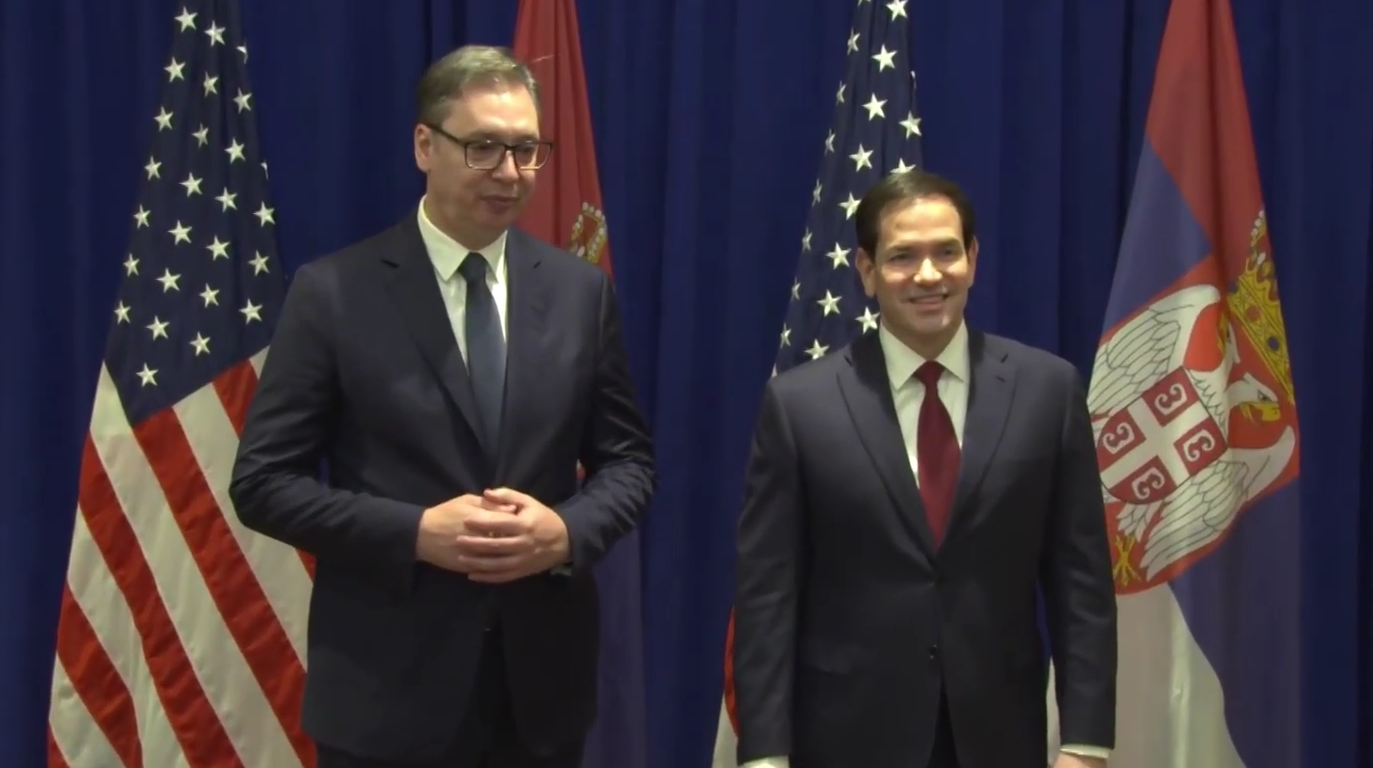
U.S. Secretary of State Marco Rubio has described Serbia as an important strategic partner for Washington while acknowledging that Belgrade is involved in several sensitive issues attracting international attention. Speaking in New York following the United Nations General Assembly, Rubio said the United States wants to deepen its relationship with Serbia while also addressing challenges that could affect the partnership. His comments come as Washington and Belgrade have established a new strategic dialogue covering energy, economic cooperation, security and other areas of bilateral relations.
Rubio did not identify the specific issues he was referring to when he described some of Serbia’s international affairs as potentially problematic and explosive. He said, however, that the United States intends to continue developing the relationship and that American officials and government agencies have already increased their engagement with Serbia. Rubio also expressed hope that he would have an opportunity to visit the country himself.
U.S.-Serbia Strategic Partnership Expands Through New Dialogue
The comments follow the launch of the first U.S.-Serbia Strategic Dialogue in Washington in July. Rubio and Serbian Foreign Minister Marko Đurić opened the dialogue as a new institutional framework for relations between the two countries. The initiative is intended to provide a regular platform for discussions covering political, economic, energy and security matters. The Serbian government has described the dialogue as an important development after more than a century of diplomatic relations between the two countries.
Energy has emerged as one of the most concrete areas of cooperation. During the July meetings, the United States and Serbia signed a memorandum of understanding focused on energy infrastructure and regional energy security. The two sides also discussed increasing American investment in Serbia and cooperation in infrastructure and other economic sectors. The agreements indicate that the new strategic framework is intended to produce practical cooperation in addition to political dialogue.
The energy relationship has particular importance for Serbia because Belgrade is seeking to strengthen its energy security while maintaining a broader range of international economic partnerships. The U.S.-Serbia dialogue included discussion of major infrastructure projects and the potential expansion of American involvement in Serbia’s energy sector. Serbian officials have also identified U.S. investment and technology cooperation as areas where they see room for further development.
At the same time, Washington’s closer engagement with Belgrade exists alongside disagreements over Serbia’s foreign policy and domestic political environment. Serbia maintains relations with Russia and China while also pursuing membership in the European Union, creating a foreign policy position that requires Belgrade to balance relationships with several major international powers. Its position on Russia has become particularly important since the beginning of the war in Ukraine, as Serbia has not adopted the EU’s sanctions regime against Moscow.
Serbia’s EU Path and Regional Issues Complicate Relations
Serbia’s EU accession process is another area where international expectations remain significant. Belgrade has been an EU candidate for many years, but progress in the negotiations has been limited. EU discussions in 2026 have continued to focus on issues including the rule of law, media freedom and Serbia’s alignment with the bloc’s foreign and security policy. In July, EU member states did not reach the necessary consensus to move forward with opening another negotiating cluster, with several governments raising concerns about these areas.
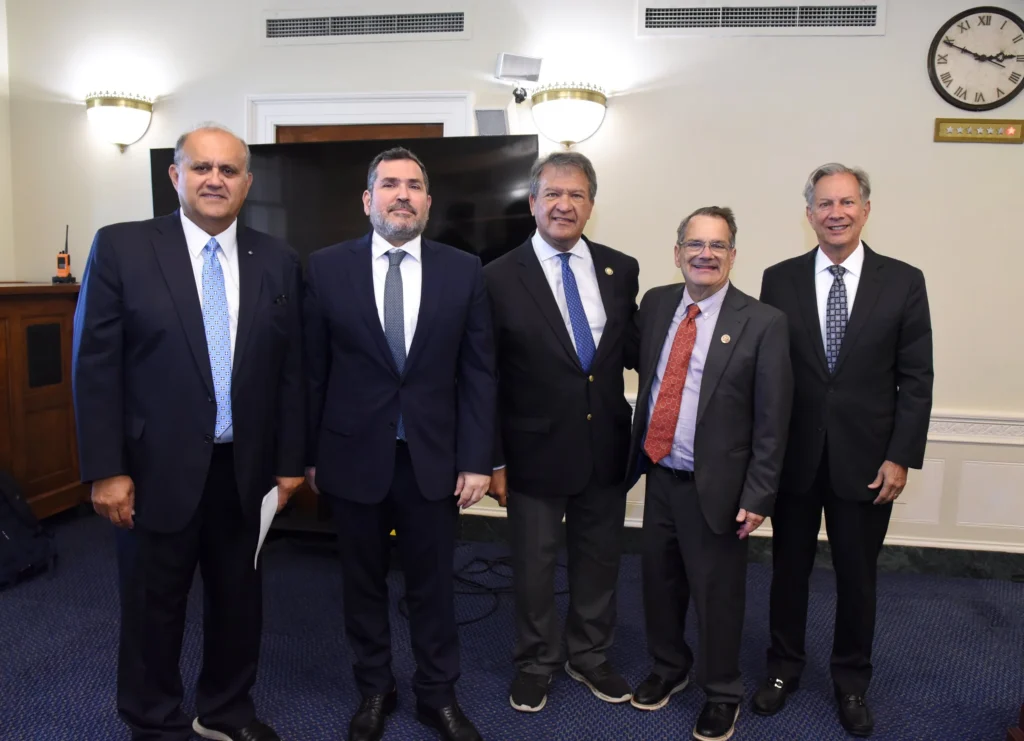
These questions have also appeared in the U.S. political debate. A bipartisan group of members of the U.S. House of Representatives introduced the SRBIJA Act in August, calling for greater U.S. attention to democratic governance, judicial independence, media freedom and Serbia’s relationships with Russia, China and Iran. The proposed legislation also calls for the U.S.-Serbia Strategic Dialogue to address several of these issues. The bill has been introduced in Congress but is not itself evidence of a change in official U.S. policy.
The different elements of the relationship help explain the balance in Rubio’s remarks. Washington is expanding cooperation with Belgrade in areas such as energy and investment while remaining aware of disagreements involving Serbia’s foreign policy orientation and regional issues. Rubio’s comments suggest that the U.S. administration sees these matters as challenges to be managed within a broader relationship rather than as reasons to halt bilateral engagement.
Serbia’s position in the Western Balkans also gives its relationship with Washington a wider regional dimension. Belgrade maintains significant political and economic links with neighboring countries and remains an important participant in discussions involving regional security and stability. Issues involving Kosovo, relations with neighboring states and Serbia’s wider foreign policy choices regularly attract attention from the United States and European governments.
For Belgrade, stronger relations with Washington also provide another channel for economic and diplomatic cooperation while Serbia continues to pursue its stated goal of EU membership. Serbian officials have emphasized that the country wants to maintain constructive relations with major global powers while protecting its own economic and security interests. The strategic dialogue with the United States therefore sits alongside Serbia’s continuing engagement with the EU and its relationships with Russia and China.
The next stage of the relationship will depend on how effectively the two countries can expand areas of agreement while managing their differences. Energy, investment, education and technology offer opportunities for cooperation, while foreign policy alignment, democratic institutions and regional questions remain more complicated subjects.
Rubio’s latest comments consequently present a relationship that is developing but not without challenges. The United States is signaling an interest in closer strategic cooperation with Serbia while acknowledging that Belgrade is involved in issues that carry wider international consequences. With the new strategic dialogue providing a formal channel for continued discussions, the coming period will show how Washington and Belgrade balance their growing cooperation with the disagreements that remain between them.