U.S. senators from both political parties have reached an agreement on a major permitting reform bill designed to accelerate the construction of energy and infrastructure projects across the country. The proposed Bipartisan American Affordability and Jobs Act would introduce stricter deadlines for federal reviews, reduce legal delays and simplify approval procedures for developments ranging from power plants and transmission lines to renewable energy facilities and data centers. Although the agreement marks significant progress in negotiations that have lasted for years, lawmakers do not expect a Senate vote before the November 2026 midterm elections.
The agreement brings together Republican and Democratic lawmakers who have long argued that the existing federal permitting system makes major infrastructure projects unnecessarily slow and expensive. Supporters say the current process creates uncertainty for developers, delays investment and makes it harder for the United States to expand its energy supply. The proposed legislation aims to make federal decisions more predictable while allowing projects to advance within clearer timelines.
Under the proposal, federal agencies would face deadlines of approximately one to two years to complete environmental reviews for major projects. The bill also seeks to improve coordination between government departments, reduce repeated reviews and limit certain legal challenges that can delay construction after permits have been issued. Supporters argue that these changes would help projects move from planning to construction more efficiently while giving businesses greater certainty about regulatory requirements.
Energy Permitting Reform Targets Grid Expansion and Project Delays
A major focus of the legislation is the expansion and modernization of the U.S. electricity grid. As electricity demand grows, particularly from data centers, artificial intelligence infrastructure and advanced manufacturing, the country faces increasing pressure to expand generation and transmission capacity. The bill would establish new procedures for approving transmission lines and grid upgrades, which lawmakers consider essential for moving electricity between regions and connecting new energy facilities to the power network.
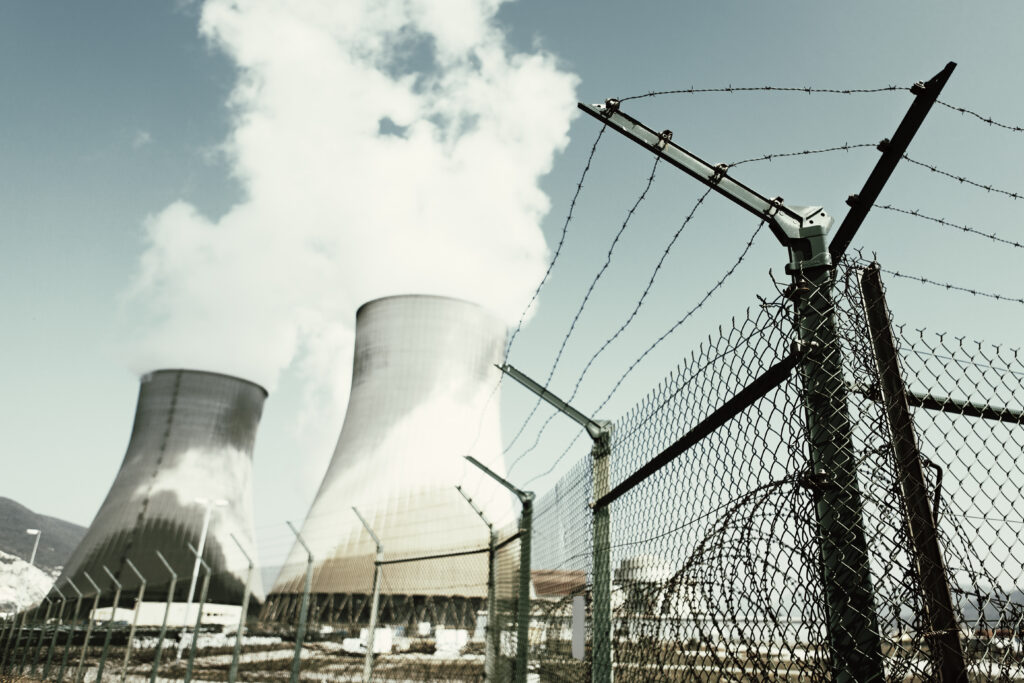
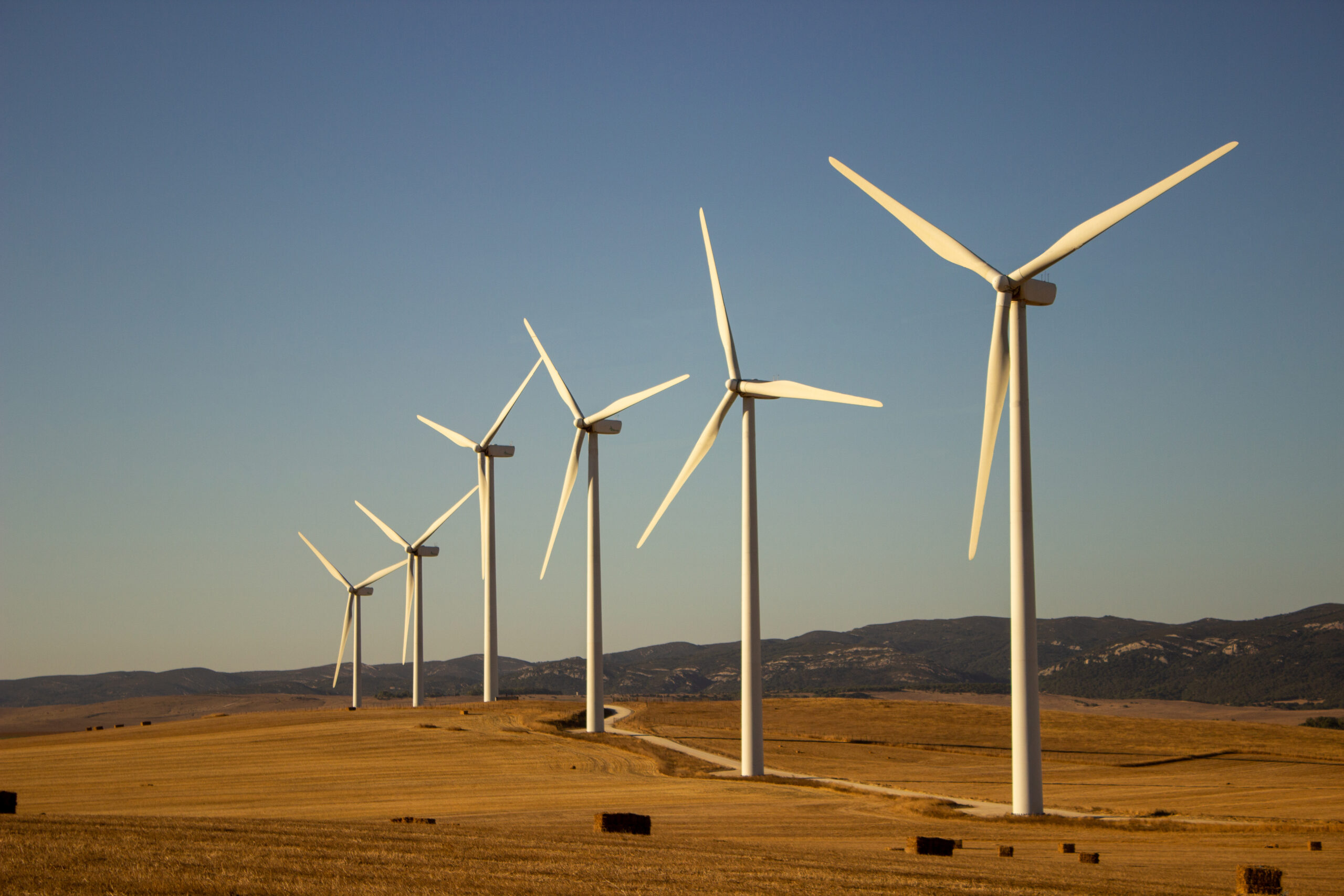
The legislation covers a wide range of energy sources, including natural gas, nuclear power, solar energy and wind power. Its provisions specifically address both onshore and offshore wind projects, reflecting a compromise intended to prevent renewable energy developments from being unfairly delayed or rejected by federal agencies. One provision would protect against permitting decisions that discriminate against particular energy technologies, an issue that became central to negotiations between Republicans and Democrats.
The path toward an agreement was not straightforward. Negotiations stalled in December after President Donald Trump paused several nearly completed offshore wind projects along the U.S. East Coast. The decision raised concerns among Democrats and renewable energy developers about whether the administration would support a permitting framework that treated wind and solar projects fairly. Talks resumed more actively in recent weeks after Trump reassured Democratic lawmakers that renewable energy projects would receive more balanced treatment under the proposed legislation.
Senator Mike Lee, the Republican chairman of the Senate Energy and Natural Resources Committee, described the agreement as an effort to make infrastructure construction easier in the United States. Democratic Senator Sheldon Whitehouse, who participated in the negotiations, acknowledged that reaching a compromise required difficult discussions and that additional work remains. He also said lawmakers still need greater clarity from the administration about how wind and solar projects will be treated in the federal permitting process.
The bill has attracted support from a broad range of industries, including renewable energy developers, electric utilities and oil and gas producers. These sectors often disagree on energy policy, but many share concerns about lengthy approval procedures and uncertainty surrounding major investments. The American Petroleum Institute has described the proposal as an important opportunity to modernize the permitting system, while industry representatives have highlighted its potential to improve infrastructure development and address energy affordability.
The White House has also expressed support for the agreement, arguing that faster project approvals could reduce costs, encourage investment and create jobs. Supporters believe simplifying federal reviews could make it easier to build the infrastructure needed for economic growth, particularly as electricity demand rises. However, the legislation’s projected effects on electricity prices and employment will depend on how it is implemented and whether the resulting projects are ultimately completed.
Environmental Oversight and Legislative Challenges Remain
Environmental organizations have raised concerns about provisions that could limit public challenges or make it more difficult to overturn permits once they have been granted. Environmental reviews are designed to assess the potential effects of major developments on communities, ecosystems and natural resources. Critics argue that shortening review periods and restricting litigation could weaken opportunities to identify problems before construction begins. The debate therefore centers not only on the speed of permitting but also on maintaining public participation and environmental oversight.
The proposed reforms reflect a wider disagreement about the role of government in energy development. Supporters emphasize the need to remove unnecessary administrative obstacles and improve the country’s ability to respond to growing electricity demand. Critics warn that efficiency should not come at the expense of meaningful environmental safeguards or the ability of affected communities to raise concerns. The final balance between these priorities could become a major issue as lawmakers consider amendments to the bill.
Another important element concerns the durability of permits after they are issued. The proposal would make it more difficult for federal approvals to be overturned except under specific circumstances, such as serious legal violations or extraordinary developments. Supporters say this could reduce uncertainty for companies making long term infrastructure investments. For developers of power plants, transmission lines and other large projects, the possibility of lengthy legal disputes can affect financing decisions and construction schedules.
The legislation also comes as the expansion of artificial intelligence and digital infrastructure increases electricity demand. Large data centers require substantial and reliable power supplies, creating new challenges for utilities and regional grid operators. The Senate agreement includes provisions intended to ensure that data centers contribute toward the grid upgrades needed to serve them, rather than shifting those costs entirely to households and other electricity customers. Lawmakers supporting the measure say this approach could help manage the financial effects of rapid technological growth.
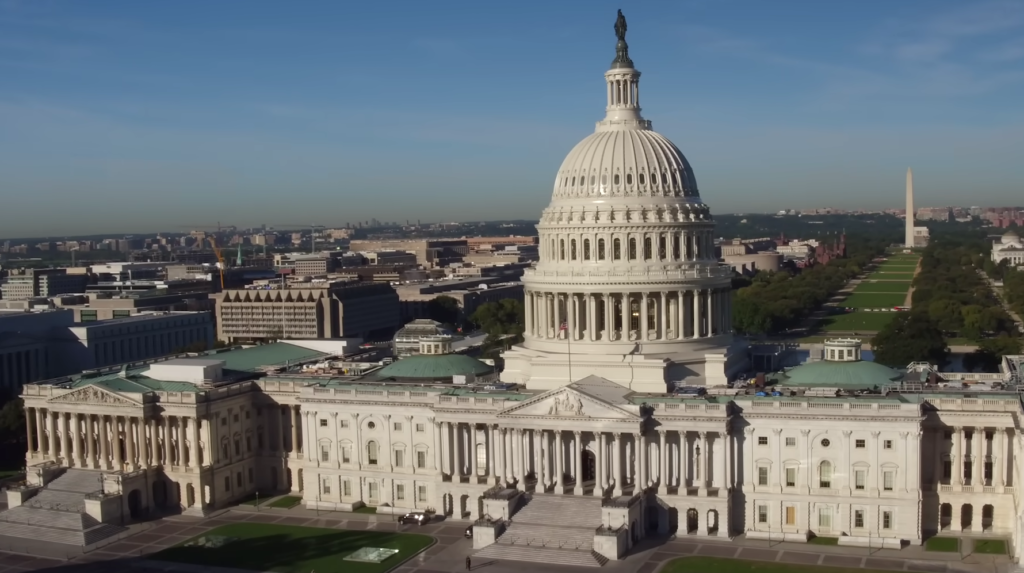
Despite the bipartisan agreement, the legislation still faces several steps before it could become law. Senators are expected to continue negotiating amendments, and the proposal will need a formal Senate vote. Senator Shelley Moore Capito, a Republican involved in the negotiations, said the goal is to make the bill the first measure considered when the chamber returns after the November 3 midterm elections. The House of Representatives has not yet passed the legislation and is also scheduled to return from its recess after the elections.
The timing means the proposal will enter its next stage during a politically significant period in Washington. The midterm elections could affect the legislative priorities and negotiating positions of both parties, while the bill’s broad support across several industries may create pressure to maintain momentum. Nevertheless, an agreement among senators does not guarantee that the House will approve the same language or that all remaining disagreements can be resolved quickly.
The permitting debate has implications beyond the energy sector. Faster approvals could affect mining operations, manufacturing facilities, transportation infrastructure and other major developments that require federal authorization. At the same time, changes to environmental review and legal procedures could influence how communities and public interest organizations participate in decisions about projects in their areas.
The bipartisan agreement marks progress in a long running effort to reform how the United States approves major infrastructure projects. It reflects shared concerns about construction delays and growing energy needs while also revealing continuing disagreements over renewable energy, environmental protection and executive authority. Whether the proposal delivers the benefits promised by its supporters will depend on the final legislative text, the safeguards retained and the way federal agencies apply the new rules.
For now, the agreement provides a framework for further negotiations rather than an immediate change to the permitting system. With a Senate vote expected after the midterm elections and the House yet to consider the measure, the coming months will determine whether the compromise can move from a bipartisan announcement to federal law. Its eventual impact could shape the pace of energy and infrastructure development in the United States for years to come.