President Donald Trump has announced plans for South Korea to invest up to $200 billion in major U.S. energy and infrastructure projects, presenting the package as a significant result of the broader economic agreement between Washington and Seoul. The plans include eight large scale nuclear power plants, a major gas fired power facility in Texas and the long discussed Alaska LNG project. However, while Washington presented the projects as part of the investment package, South Korean officials stressed that some commitments, particularly those involving Alaska LNG, still depend on further commercial and legal reviews.
The announcement represents the first major group of projects connected to a wider $350 billion investment commitment negotiated as part of the U.S.-South Korea trade agreement. That broader arrangement includes $150 billion earmarked for shipbuilding and another $200 billion for strategic investments in the United States. Trump described the latest projects as an important expansion of American energy infrastructure and manufacturing capacity.
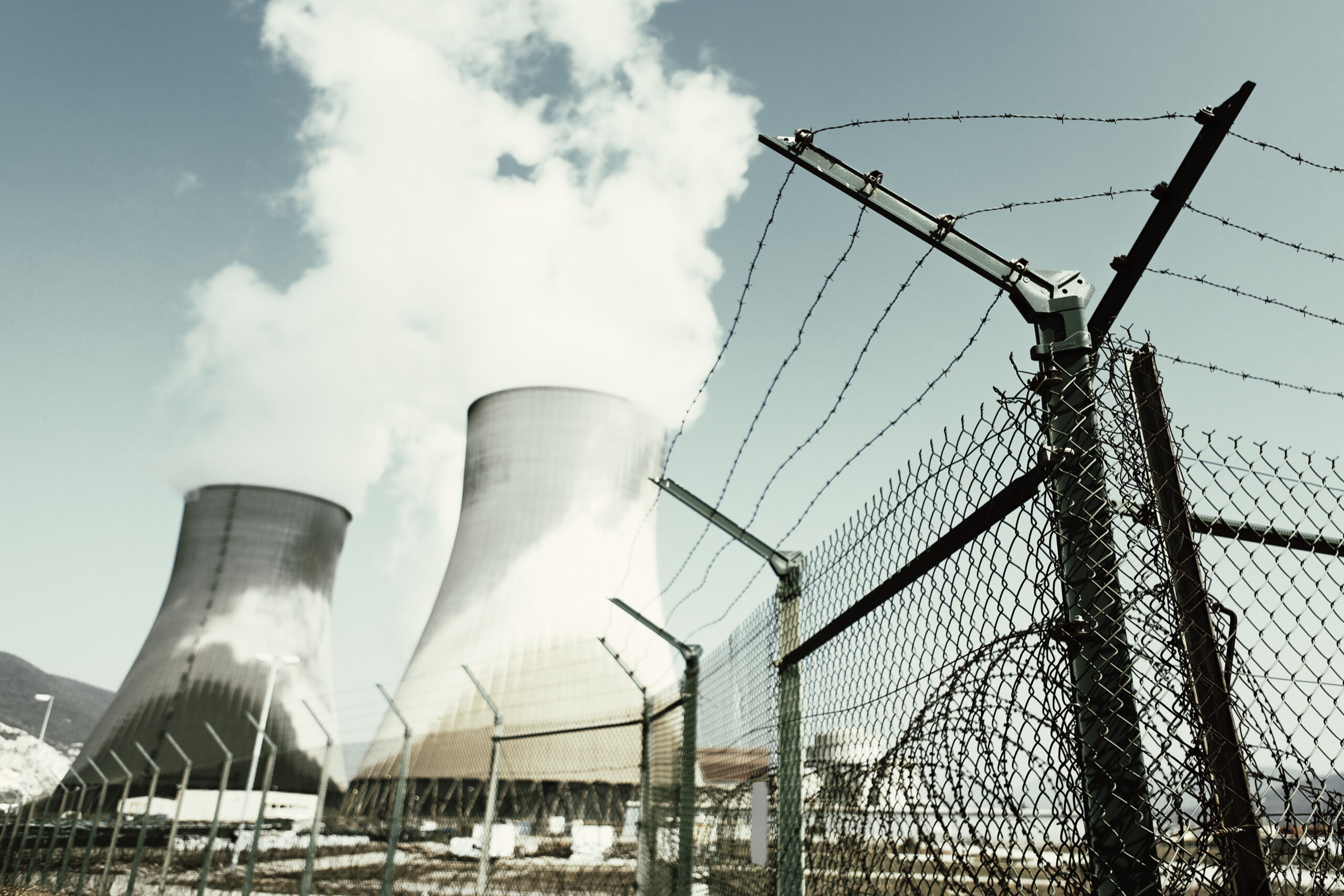
One of the largest elements is a proposed investment of about $120 billion in eight nuclear reactors. According to South Korean and U.S. officials, the projects could be developed across several states, including Ohio, Tennessee, South Carolina and Kentucky. The nuclear expansion fits into a wider U.S. effort to increase electricity generation as demand rises from data centers, semiconductor manufacturing and other energy intensive industries.
South Korean officials have also confirmed plans involving a large gas fired power facility in Texas. The project, located near Encinal, is expected to have a generation capacity of more than 6 gigawatts and carry a price tag of roughly $22.3 billion. It was the first project selected under Seoul’s strategic investment program after officials reviewed its commercial prospects. The facility is expected to provide electricity for large industrial operations and data centers, reflecting the rapidly increasing demand for reliable power in the United States.
South Korean Investment Plan Focuses on Nuclear Power and Texas Energy
The most uncertain part of the announcement is the Alaska LNG project. Trump presented the proposed investment as part of the new package, but South Korea’s government immediately clarified that it has not made a final decision on whether to participate or how much it would ultimately invest. Seoul’s industry ministry said the project must undergo additional assessments of its commercial viability and compliance with legal procedures before a final commitment can be made.
The Alaska project is one of the largest proposed energy developments included in the package. It would involve an approximately 807 mile pipeline carrying natural gas from Alaska’s North Slope to a liquefaction and export facility on the state’s southern coast. The planned system is designed to transport about 3.9 billion cubic feet of natural gas per day and produce as much as 20 million metric tons of LNG annually, allowing Alaska gas to be shipped to markets in Asia.
The project has nevertheless faced years of questions over its cost, financing structure and ability to compete commercially with other sources of LNG. Its success depends not only on construction but also on securing long term buyers and sufficient financing to move from development into a final investment decision. Developer Glenfarne has said it has secured substantial expressions of interest from potential partners and buyers, but additional commitments are still needed before the project can reach that stage.
There is already interest from major Japanese LNG buyers. JERA and Tokyo Gas have signed preliminary agreements to purchase a combined 2 million metric tons of LNG per year if the Alaska project is built. Glenfarne has also said it has commitments covering a larger portion of the planned output, although additional agreements are needed to support a final investment decision. These preliminary arrangements provide potential demand for the project but do not by themselves guarantee construction or financing.
The different descriptions from Washington and Seoul highlight an important distinction between announcing an investment framework and completing individual projects. The White House has emphasized the overall $200 billion figure, while South Korean officials have been more cautious about projects that have not completed commercial and regulatory reviews. Yonhap reported that Seoul considers the Texas project finalized, while the nuclear and Alaska projects remain subject to further discussions.
U.S.-South Korea Energy Partnership Has Wider Economic and Strategic Implications
The investment package also has broader significance for the U.S.-South Korea economic relationship. South Korea is a major technology and manufacturing power, with companies involved in semiconductors, batteries, automobiles, shipbuilding and energy. Greater investment in the United States could deepen industrial ties while supporting American infrastructure projects and creating additional demand for domestic construction, engineering and manufacturing.
For Washington, the projects also fit into a larger strategy of expanding electricity supply and energy production. Nuclear power is receiving renewed attention as electricity demand from artificial intelligence and data centers grows, while natural gas remains an important part of the U.S. power system. The Texas project in particular connects the South Korean investment program with the expanding demand for electricity from technology and manufacturing facilities.
The Alaska LNG project has an additional strategic dimension because it could increase U.S. LNG exports to Asian markets. Supporters of the project have argued that Alaska’s geographic position could make it a useful source of energy for countries such as Japan and South Korea. A completed export system could therefore connect American natural gas production more directly with major Asian energy consumers and strengthen commercial ties across the Pacific.
At the same time, the project’s long history demonstrates the difference between political support and commercial feasibility. Alaska LNG has been discussed for years, but high development costs and competition in global LNG markets have repeatedly complicated efforts to bring it to construction. South Korea’s decision to review the project’s economics before making a final commitment reflects those challenges.
The announcement also comes at a politically important moment in the United States, as the administration continues to highlight large investment agreements ahead of the November midterm elections. Trump has increasingly presented foreign investment commitments as evidence of the economic effects of his trade policies. The Alaska project has particular political visibility because Alaska Republican Senator Dan Sullivan attended the White House announcement.
For South Korea, however, the priority remains ensuring that major investments make commercial sense. President Lee Jae Myung has indicated that the economic feasibility of the LNG and nuclear projects needs to be established before they proceed. That position leaves room for the projects to change in size, financing or structure as negotiations continue.
The latest announcement therefore represents a substantial expansion of the economic partnership between the United States and South Korea, but not every element should be viewed as a completed investment. The Texas power project has moved further through the approval process, while the nuclear projects and especially Alaska LNG still face additional steps. The coming months will show whether the proposed investments develop into binding commitments and construction projects or are modified during further negotiations.
For now, the $200 billion plan places energy, technology and infrastructure at the center of the U.S.-South Korean economic relationship. If the projects proceed, they could contribute to new electricity generation, LNG exports and industrial investment in several parts of the United States. But the Alaska LNG debate also shows that large international investment announcements ultimately depend on financing, regulation, market demand and commercial viability before they become reality.