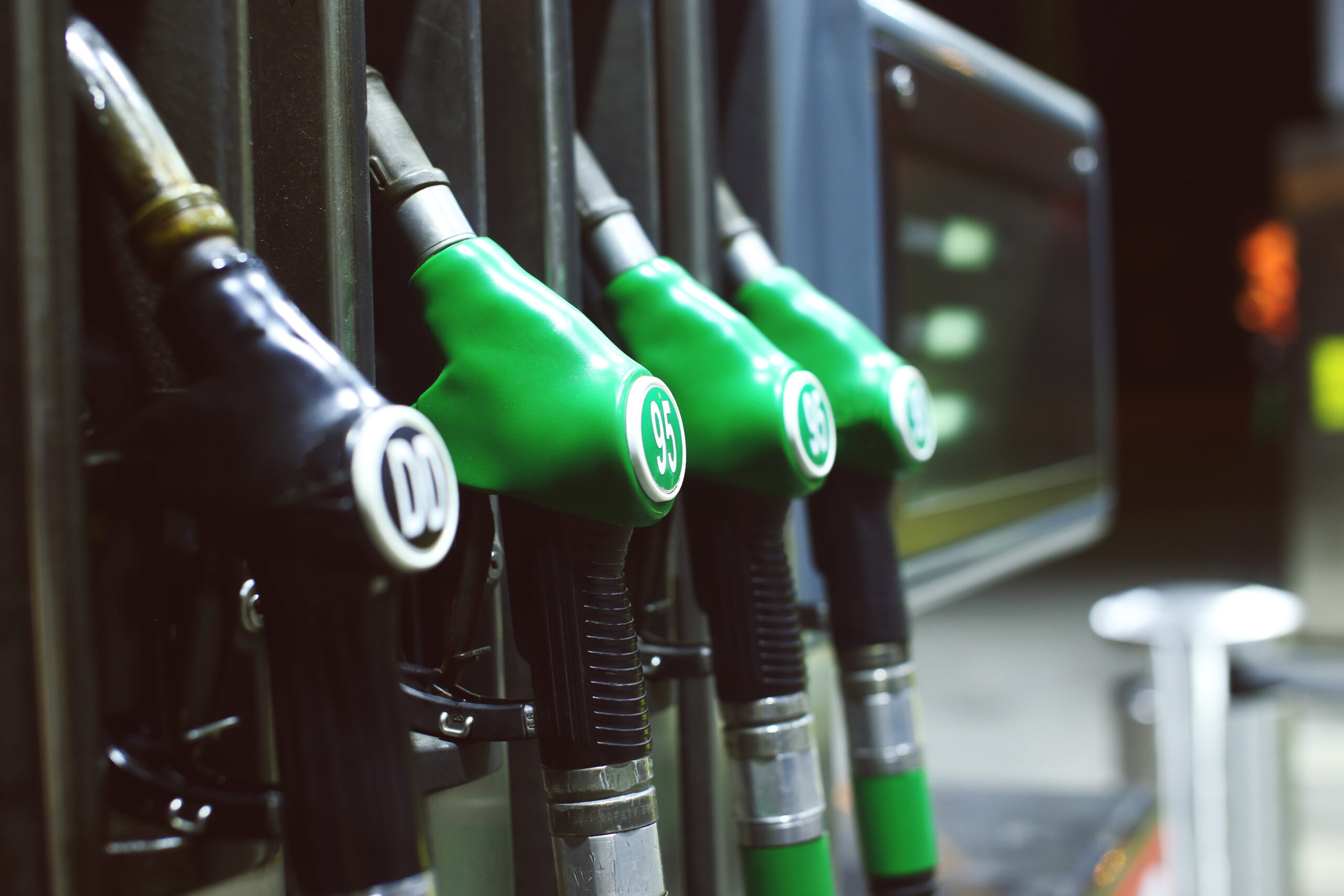
Several U.S. states are introducing temporary tax cuts, regulatory changes and transportation exemptions to ease rising gasoline and diesel prices. The measures come as fuel costs climb amid international supply disruptions linked to the conflict involving Iran, attacks on Russian refineries and declining global fuel inventories. With diesel prices reaching a record $6.53 per gallon in late September, state governments are searching for ways to reduce financial pressure on drivers, farmers and businesses while maintaining reliable fuel supplies.
The price increases have created challenges across transportation, agriculture and manufacturing, where diesel is essential for moving goods and operating heavy machinery. Higher fuel expenses can also drive up the cost of food, construction materials and other products as businesses pass additional transportation costs on to consumers. The issue has attracted particular attention ahead of the November midterm elections, with fuel affordability becoming part of the broader debate over the economy and government policy.
States Introduce Fuel Tax Cuts and Regulatory Relief
One of the most common responses has been the temporary suspension or reduction of fuel taxes. Georgia introduced a 30 day suspension of state gasoline and diesel taxes, while Ohio approved a 90 day pause on both taxes. Indiana suspended its gasoline sales tax, and Kentucky reduced its gasoline tax by 10 cents per gallon while freezing certain future increases. Illinois also paused a planned increase in its gasoline tax, while Massachusetts proposed suspending its 24 cent per gallon gasoline and diesel tax for two months.
These measures are intended to reduce the amount motorists pay at the pump, although the final impact depends on how quickly tax changes are reflected in retail prices. Fuel taxes also provide revenue for roads, bridges and other transportation infrastructure, meaning temporary suspensions can create financial challenges for state budgets. Ohio, for example, is using general fund money to cover transportation expenses that would normally be supported by fuel tax revenue during its temporary tax holiday. The policies therefore involve balancing immediate cost relief with the long term funding needs of public infrastructure.
Several states have also relaxed restrictions on red dyed diesel, a fuel generally used for agricultural machinery, construction equipment and other off road purposes. Because it is normally exempt from most fuel taxes, it is often less expensive than regular highway diesel. Alabama, Oklahoma, Louisiana, Nebraska and North Carolina have introduced temporary changes allowing broader use of the fuel in certain vehicles and industries. Texas has also expanded its permitted use on public roads as part of a wider effort to support agriculture, timber operations and freight transportation.
The changes are particularly relevant to farmers and businesses that depend heavily on diesel. Agricultural producers face substantial fuel expenses during planting, harvesting and the transportation of crops and livestock. Nebraska and South Dakota have introduced additional measures to ease transportation costs, including adjustments to vehicle weight limits and temporary relief from certain fees. Montana has relaxed some working hour requirements for fuel haulers, while Georgia has also suspended commercial vehicle weight restrictions to help reduce the cost of moving goods.
Other states have focused on changing gasoline regulations to increase flexibility in fuel production and distribution. California suspended its seasonal summer gasoline requirements for the remainder of the season, allowing winter blend gasoline to be manufactured, imported and sold earlier than usual. Michigan also temporarily permitted the sale of certain lower cost gasoline blends, including E15, which contains up to 15% ethanol. These adjustments are designed to give suppliers more options during a period of tight fuel markets, although their effects on prices and supply conditions may vary.
Federal Proposals and Global Fuel Supply Challenges
At the federal level, the Trump administration has considered additional measures to address the diesel shortage and rising costs. One proposal would broaden the circumstances in which red dyed diesel could be sold, potentially allowing more buyers to avoid certain fuel taxes. Trump has also expressed support for restricting or banning diesel exports, with the stated aim of keeping more fuel available in the domestic market. However, such proposals have raised questions about their wider effects, including the possibility of reducing supplies available to international customers and changing incentives for U.S. fuel producers.
The underlying problem extends beyond individual state policies. International conflicts and disruptions to refining and transportation networks have reduced the availability of certain refined fuels, particularly diesel. Even when crude oil is available, turning it into usable fuel requires sufficient refinery capacity, transportation infrastructure and stable supply chains. This means tax reductions and temporary regulatory waivers can help lower some costs or improve distribution flexibility, but they cannot independently resolve shortages in global fuel production.
The growing number of state level interventions illustrates how governments are responding to an economic challenge that affects both households and major industries. Some are prioritizing direct tax relief, while others are focusing on agricultural support, transportation efficiency or temporary changes to fuel standards. The approaches differ, reflecting each state’s economic conditions, regulatory framework and budgetary priorities.
As fuel prices remain elevated, the effectiveness of these measures will depend on developments in global energy markets, the availability of fuel and how businesses and retailers respond to policy changes. Temporary tax holidays may provide immediate financial relief, while regulatory adjustments could help certain industries manage supply pressures. However, the broader impact on consumers, infrastructure funding and fuel availability remains uncertain. The coming weeks will show how much these state level efforts can ease the pressure created by rising energy costs.