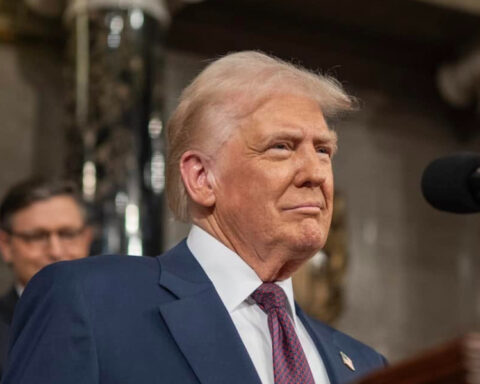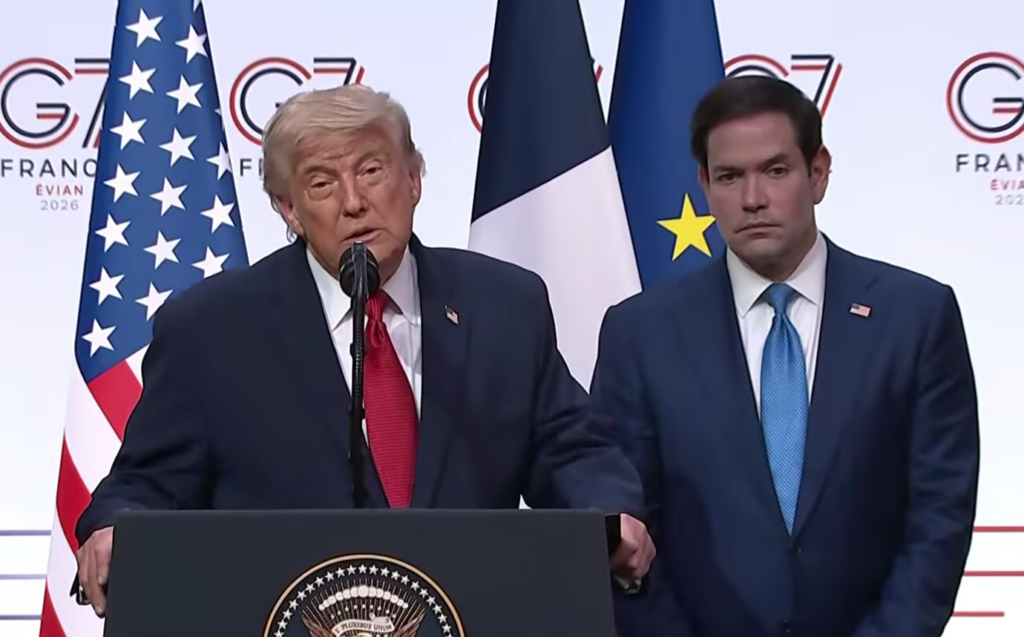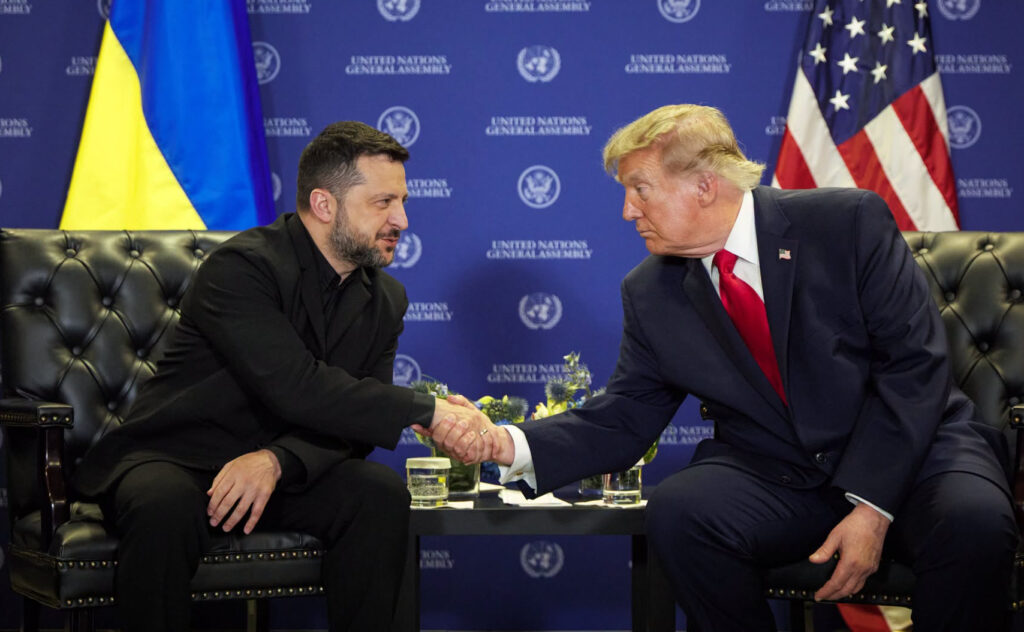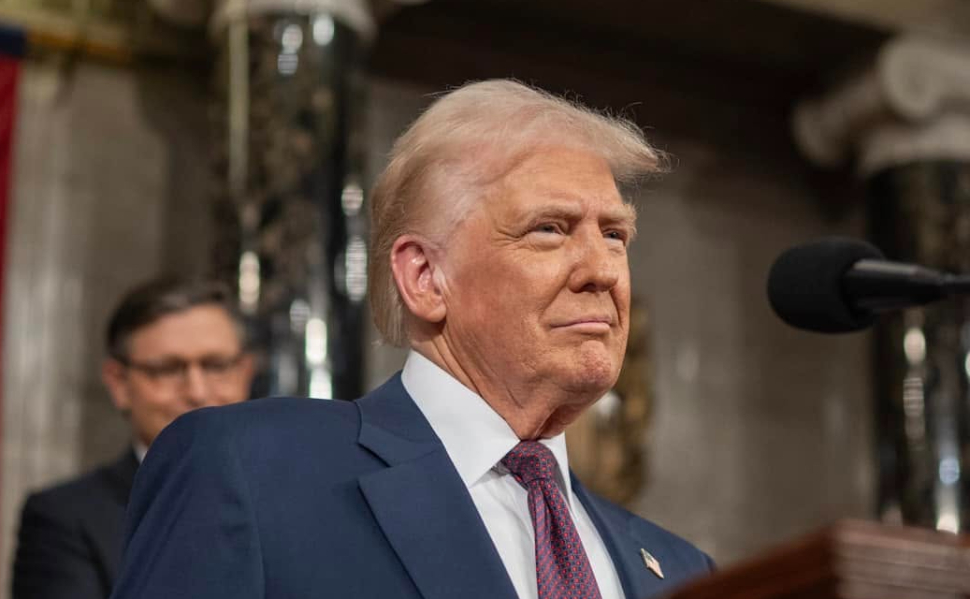
President Donald Trump is facing a new diplomatic dispute with Ukraine after the United States moved to ease sanctions on Russian diesel fuel and demanded that Kyiv stop attacking Russian oil refineries.
The disagreement emerged during talks in Florida on Friday, October 9, involving senior Ukrainian and European officials and Trump’s envoys, Steve Witkoff and Jared Kushner.
According to The New York Times, the American delegation announced the sanctions decision during negotiations at Witkoff’s Shell Bay golf club near Miami.
The announcement reportedly surprised Ukrainian and European representatives, who had arrived to discuss proposals for ending the war.
Russian Diesel Deal Strains US-Ukraine Relations
During the meeting, Ukrainian officials questioned what Kyiv would receive in exchange for ending attacks on Russian refineries.
American representatives responded that Washington already provides substantial assistance to Ukraine, including intelligence support, according to people familiar with the discussions.
Some participants interpreted the reference to intelligence assistance as an implied warning. A US official denied that Washington had threatened to withdraw support.
The dispute intensified after Trump publicly demanded that Ukraine stop targeting Russian energy facilities.
Zelenskyy criticized the Russian diesel deal, describing it as a weak decision.
Trump subsequently questioned Zelenskyy’s leadership, while European officials expressed support for the Ukrainian president.
A bipartisan group of US senators also criticized the sanctions relief, warning that additional Russian energy revenue could support Moscow’s military campaign.
Energy Ceasefire Claims Raise New Questions
On Sunday, October 11, Trump announced that Russia and Ukraine had agreed to an immediate energy ceasefire.
Neither government confirmed an agreement at the time.
Ukraine’s foreign minister, Andrii Sybiha, subsequently reported Russian attacks on Ukrainian energy infrastructure following Trump’s announcement.
Kyiv has expressed willingness to stop attacking Russian energy facilities if Moscow agrees to halt similar strikes against Ukraine.
European officials have questioned whether Russia would honor such an arrangement.
The dispute has also complicated Washington’s diplomatic efforts. According to The New York Times, Witkoff and Kushner have indicated that a planned visit to Russia is on hold while tensions with Zelenskyy remain unresolved.
The Trump administration maintains that energy cooperation with Russia could help reduce fuel prices and create incentives for a negotiated settlement.
However, the latest disagreement highlights the competing priorities facing Washington as it seeks lower energy costs while attempting to negotiate an end to the war in Ukraine.