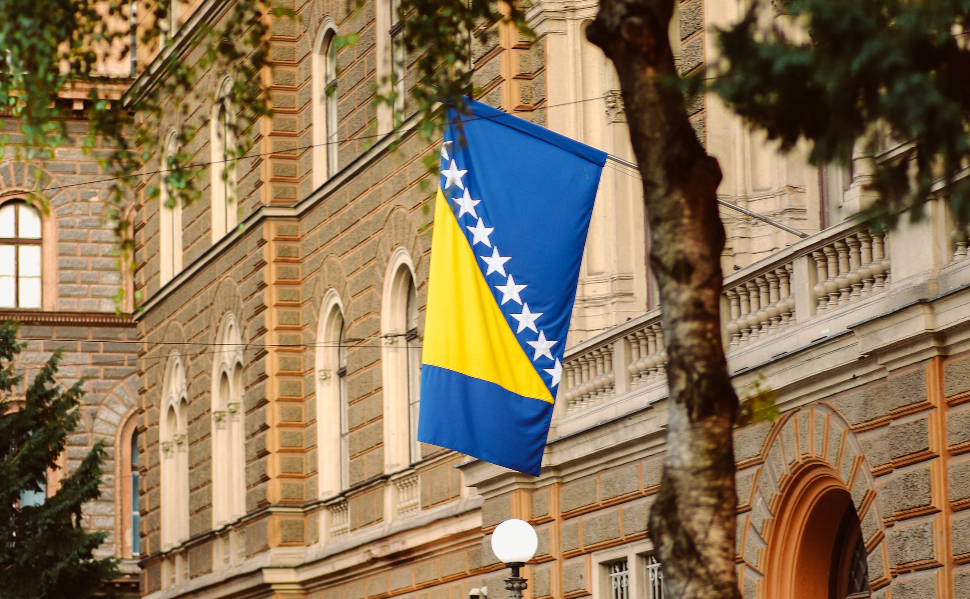
Bosnia and Herzegovina has warned US officials about Republika Srpska lobbying efforts in Washington. Foreign Minister Elmedin Konaković raised concerns about public money funding political influence in the United States.
Konaković sent letters to US Secretary of State Marco Rubio and other senior officials.
The Financial Times reported on October 13 that the letters questioned the role of consultants with ties to President Donald Trump.
The minister also raised concerns about Republika Srpska’s political connections with Russia.
Bosnia Questions Republika Srpska Lobbying
Konaković argued that Republika Srpska should not use public funds to support efforts that threaten Bosnia’s constitutional order.
Republika Srpska is one of the two entities that make up Bosnia and Herzegovina.
In September, Bosnia’s Constitutional Court ruled against using public money for lobbying that promotes the entity’s independence.
According to the Financial Times, Republika Srpska has spent millions of dollars on consultants and lobbying firms in Washington.
Some of those consultants have connections to Trump’s political network.
The newspaper also reported that Trump associates Chris LaCivita and James Blair received payments for political consulting work linked to Republika Srpska.
However, the Financial Times found no evidence that the two men lobbied for the entity’s independence.
Bosnia Asks Washington to Review Dodik Sanctions
Konaković also asked US Treasury Secretary Scott Bessent to consider restoring sanctions against Milorad Dodik.
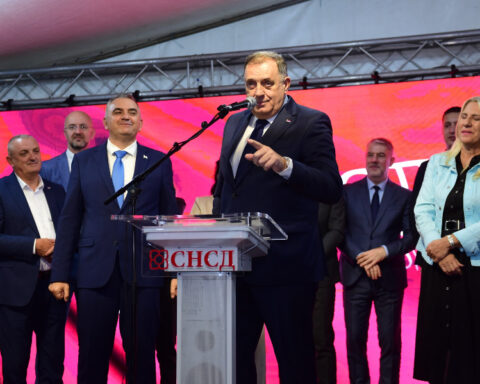
Dodik, the former president of Republika Srpska, remains a major political figure in the entity.
He has maintained close relations with Russian President Vladimir Putin.
The Trump administration lifted US sanctions against Dodik in 2025.
Konaković now wants Washington to review whether new sanctions are necessary under US law.
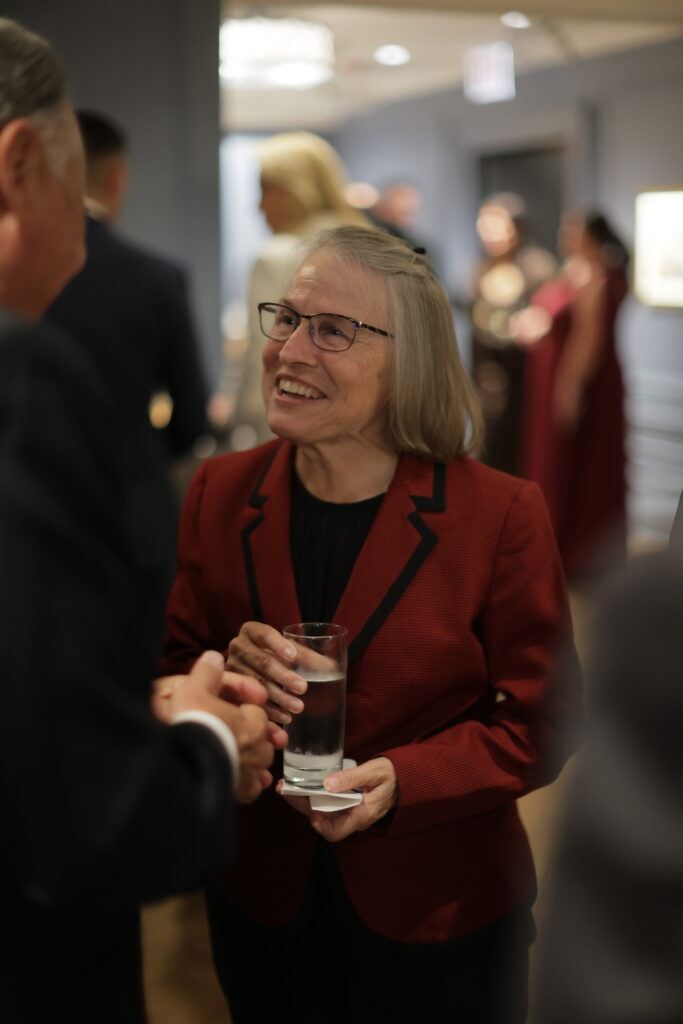
US Senator Jeanne Shaheen also questioned the money Republika Srpska spends on lobbying during her recent visit to Bosnia.
The White House and the State Department did not respond to the Financial Times’ requests for comment.
The dispute raises new questions about US policy toward Bosnia and the future of the Dayton Peace Agreement.