Restrictions on the time professional drivers from Bosnia and Herzegovina may spend in the Schengen Area are creating problems that could extend far beyond the country’s transportation sector.
Slovenia believes the issue should be resolved at the European Union level, while temporary measures modeled on Croatia’s approach could help transportation companies continue operating in the meantime.
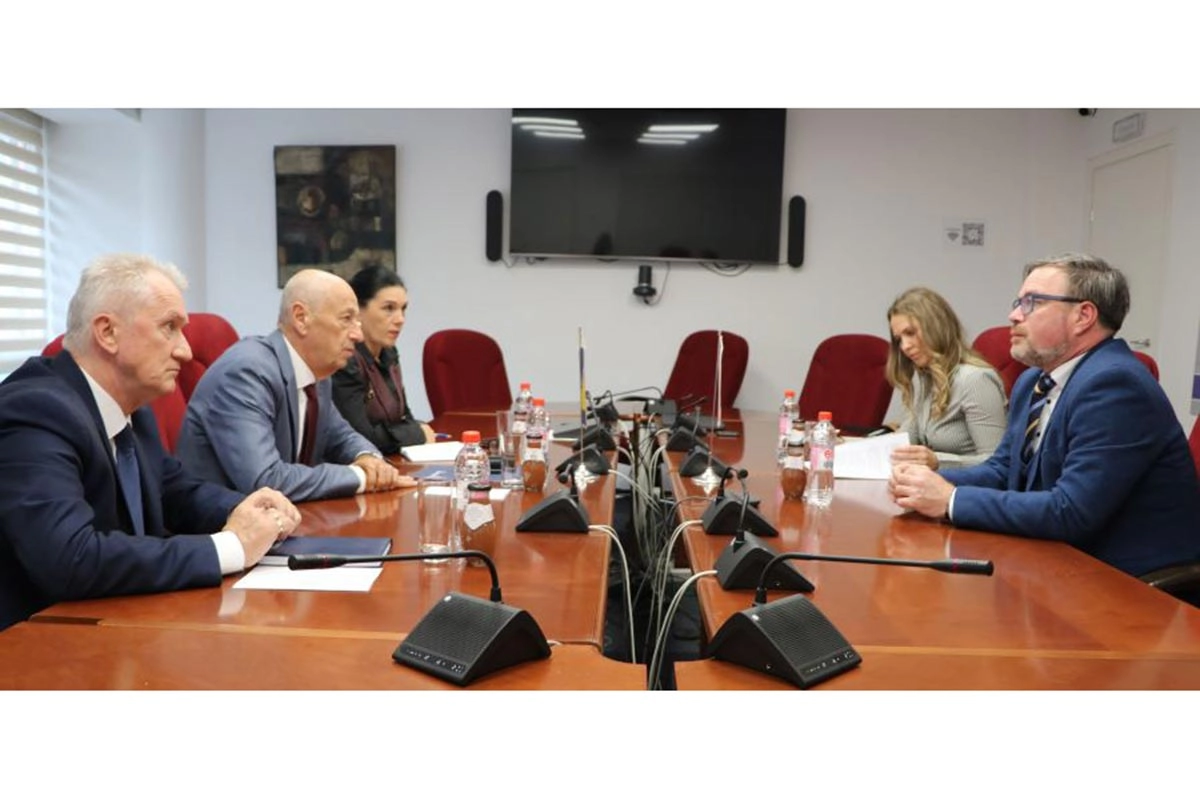
The matter was discussed in Sarajevo by Zdravko Marinković, president of the Foreign Trade Chamber of Bosnia and Herzegovina, and Damijan Sedar, Slovenia’s ambassador to the country.
Bosnian Drivers Face Schengen 90/180 Rule
Professional drivers from Bosnia and Herzegovina are subject to the Schengen rule allowing them to remain in the area for no more than 90 days within any 180-day period.
Business representatives warned that the restriction does not affect transportation companies alone.
Exporters, importers and other businesses that depend on regular and timely deliveries could also face disruptions.
Marinković and Zijad Sinanović, director of the chamber’s transportation and communications sector, said the nature of professional driving should be taken into account.
They emphasized that drivers enter and remain in the Schengen Area to perform international transportation work, rather than for tourism or other private reasons.
Restrictions Could Raise Costs in Slovenia
Slovenia is among Bosnia and Herzegovina’s five most important foreign trade partners, making uninterrupted transportation important for both economies.
Companies in Slovenia that are connected to the Bosnian market through trade, manufacturing and supply chains could experience delayed deliveries, higher operating costs and reduced competitiveness because of the restrictions.
Officials agreed that efforts should continue toward a permanent and coordinated European solution.
Croatia was presented as a possible model for temporary action. The country allows long-stay type D visas to be issued to professional international drivers, helping them regulate longer periods of residence on Croatian territory.
Slovenia and Bosnia and Herzegovina are now considering whether similar measures could ease pressure on drivers and businesses while a broader EU-level solution is developed.