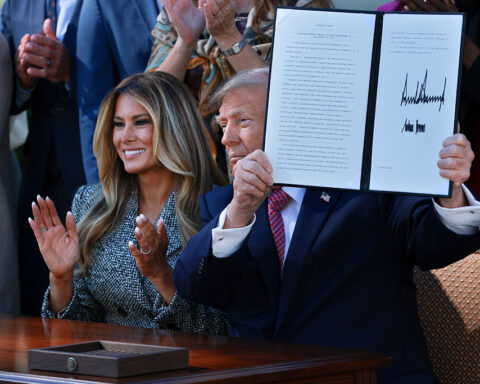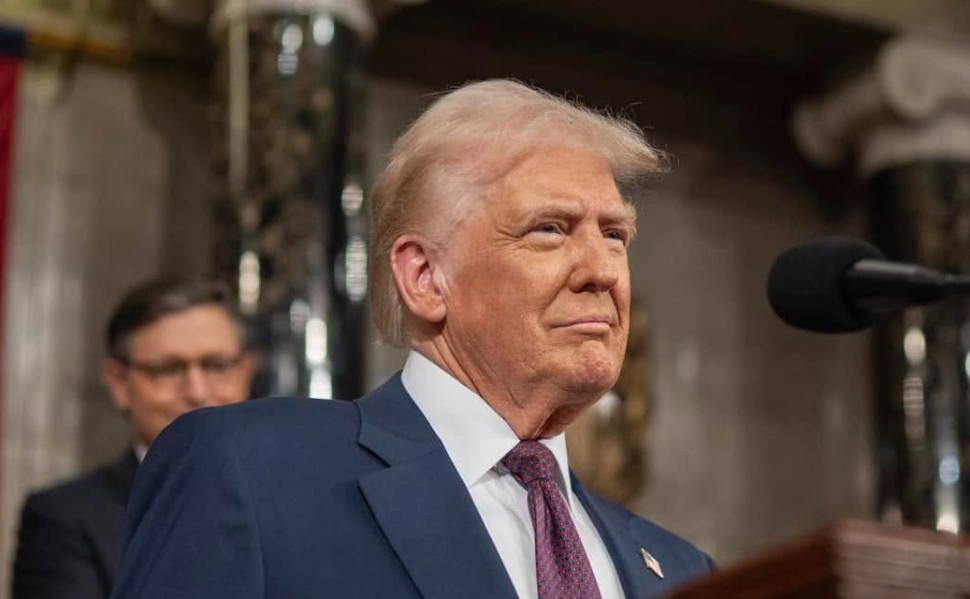
The White House is promoting the administration’s record on public safety, tax policy, disaster recovery and private investment as President Donald Trump returns to North Carolina. The latest fact sheet points to declining crime statistics, new manufacturing projects and federal funding for rural health care.
The Trump administration is highlighting a series of economic and public safety developments in North Carolina ahead of the president’s visit to the state on Tuesday, October 20, 2026.
In a new White House fact sheet titled Delivering for North Carolina: Safer Streets, Bigger Paychecks, and a Manufacturing Boom Under President Trump, the administration points to falling crime rates, tax deductions for seniors, federal disaster recovery assistance and billions of dollars in announced business investments.
The document presents these developments as evidence of the administration’s impact on the state, although several of the investments cited are private-sector commitments announced separately, and the crime figures reflect broader trends that cannot be attributed to a single policy without further analysis.
Crime Rates Decline Across North Carolina
The White House says crime declined across North Carolina during the first half of 2026 compared with the same period in 2025.
According to figures cited from the North Carolina Governor’s Crime Commission, murders fell 12.4%, robberies declined approximately 18%, and motor vehicle thefts dropped 23%. Statewide crime data also showed declines across major categories during 2025.
Charlotte recorded a 9% reduction in overall crime in 2025, while violent crime fell 21%, according to the figures cited by the administration. During the first half of 2026, the city reported further declines in overall crime, violent crime and property crime.
The administration also highlighted declining crime rates in Raleigh and Wilmington.
Separately, federal immigration enforcement operations have resulted in more than 1,300 arrests under Operation Charlotte’s Web, according to the Department of Homeland Security. The operation has targeted people federal authorities describe as criminal undocumented immigrants.
The White House is presenting these figures as evidence of progress on public safety. However, the statistics cover different periods, jurisdictions and categories of offenses, and the data alone do not establish how much of the decline resulted from federal policies.
Tax Deductions and Rural Health Care Funding
The administration is also emphasizing tax changes under the Working Families Tax Cuts legislation.
The White House says approximately 1.9 million North Carolina seniors benefit from a new senior tax deduction. The provision is intended to reduce taxable income for eligible older Americans; it does not constitute a blanket exemption of all Social Security benefits from federal taxation.
The administration also reported that North Carolina taxpayers received average refunds of $3,542 during the 2026 filing season, while the national average refund increased by more than 11%.
Another major component is federal funding for rural health care.
North Carolina received approximately $213 million in first-year funding through the Rural Health Transformation Program. According to state health officials, the program is intended to improve health care access, strengthen rural facilities and address persistent challenges facing rural communities.
The White House says the investment will support more than three million rural residents and over 400 rural health facilities. The state could be eligible for additional funding over the coming years, depending on program requirements and future awards.
Manufacturing and Technology Investments Reach Billions of Dollars
Business investment is one of the central themes of the administration’s North Carolina fact sheet.
The document highlights projects across pharmaceuticals, aerospace, biotechnology, advanced manufacturing and artificial intelligence infrastructure.
Among the largest projects cited are:
- Amazon: A planned $10 billion investment in cloud computing and AI infrastructure in Richmond County, expected to create at least 500 high-skilled jobs.
- JetZero: A proposed $4.7 billion aircraft manufacturing facility in Greensboro, with thousands of jobs projected.
- Johnson & Johnson: A $2 billion manufacturing campus in Wilson.
- Genentech: A $2 billion expansion of its biomanufacturing facility in Holly Springs.
- Biogen: A $2 billion manufacturing expansion in the Research Triangle.
- AbbVie: A $1.4 billion pharmaceutical manufacturing campus in Durham, expected to create nearly 750 permanent jobs.
- Prysmian: A $1 billion expansion of cable manufacturing in Catawba County.
Additional projects include investments announced by Merck, Novartis, Vaxcyte and STERIS, as well as a new Coinbase office in Charlotte.
The proposed projects span several industries and could strengthen North Carolina’s position in biotechnology, pharmaceutical production, aerospace and technology infrastructure. However, projected job totals and investment figures reflect company plans and announcements; actual results will depend on implementation, construction schedules and hiring.
Hurricane Helene Recovery and Other State Priorities
The White House also points to federal disaster assistance following Hurricane Helene, which devastated parts of western North Carolina in September 2024.
According to the administration, more than $7.5 billion in federal disaster recovery funding has been provided to help the state rebuild. The document also references an additional $858 million that the administration says was recently announced for continued recovery efforts.
Other initiatives highlighted include tariffs on imported wood products, the restoration of the Fort Bragg name in 2025 and federal recognition for the Lumbee Tribe of North Carolina.
The administration argues that these measures support local industries, recognize the state’s military heritage and advance longstanding community priorities.
Economic Results Remain a Key Political Message
The latest fact sheet continues a broader White House strategy of highlighting economic investment, public safety and tax policy during presidential visits to individual states.
For North Carolina, the administration is pointing to several measurable developments: lower reported crime rates, federal funding for rural health care and disaster recovery, and company announcements involving major manufacturing and technology projects.
The longer-term impact will depend on whether proposed investments are completed, projected jobs materialize, and funding programs deliver measurable improvements for residents.
As Trump visits the state, the White House is using these initiatives to make the case that its policies are benefiting North Carolina workers, families and businesses.