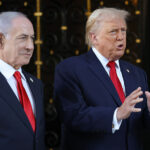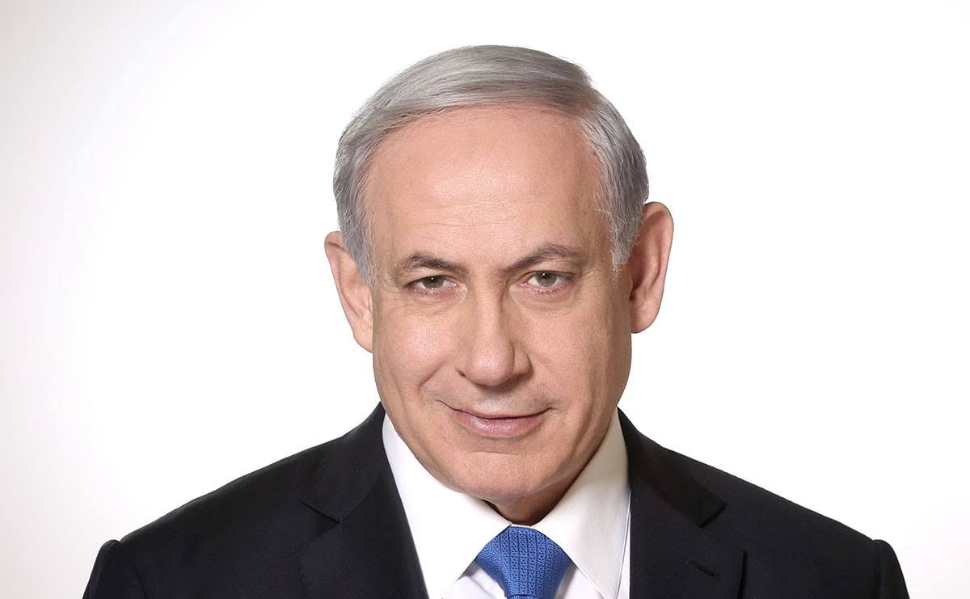
Israel’s parliamentary election has left the country facing political uncertainty, with neither Prime Minister Benjamin Netanyahu nor his main rival, Gadi Eisenkot, securing a clear path to a governing majority. The outcome could shape Israel’s future leadership and its relationship with the United States, one of its closest allies.
Projections published after Tuesday’s vote, October 27, showed Netanyahu’s political bloc heading toward 55 seats in the 120-member Knesset, six short of the 61 needed to form a government.
With more than half of the votes counted, Netanyahu’s Likud party was projected to remain the largest individual party. However, the prime minister’s bloc appeared set to lose seats compared with the outgoing coalition, which held 68.
The opposition parties were projected to secure a combined 65 seats, but significant political differences could make forming an alternative government difficult.
Netanyahu and Eisenkot Respond to Election Results
Speaking to supporters at Likud headquarters in Jerusalem, Netanyahu welcomed his party’s performance without formally declaring victory.
“Two things became clear tonight: Likud is the largest party in Israel. There is no dispute about that,” Netanyahu said.
He called for the formation of a right-wing government, arguing that Israel needed a coalition capable of addressing its national security challenges.
Eisenkot, a former Israeli military chief and leader of the Yashar party, offered a different interpretation of the results.
“We have made history! The public has voted for change. The coalition of failure has lost the people’s trust,” he told supporters in Tel Aviv.
His party was projected to win 21 seats, making it the largest opposition party.
A strong turnout among Arab voters also influenced the election. Arab parties were projected to win 16 seats, although disagreements over cooperation with those parties could complicate efforts to build a governing coalition.
What Happens Next in Israel?
The final vote count is expected to take several days. Once the results are certified, Israeli President Isaac Herzog will consult the elected parties before selecting a candidate to attempt to form a government.
The selected candidate will initially have 28 days to secure a parliamentary majority, with a possible 14-day extension.
If the first candidate fails, the president can assign the task to another political leader. Further unsuccessful attempts could eventually trigger another election.
For Washington, the formation of Israel’s next government will be closely watched because of the countries’ longstanding security partnership and the continuing importance of Middle East diplomacy.
For now, neither Netanyahu nor Eisenkot has demonstrated that he can assemble the 61 seats required to govern.