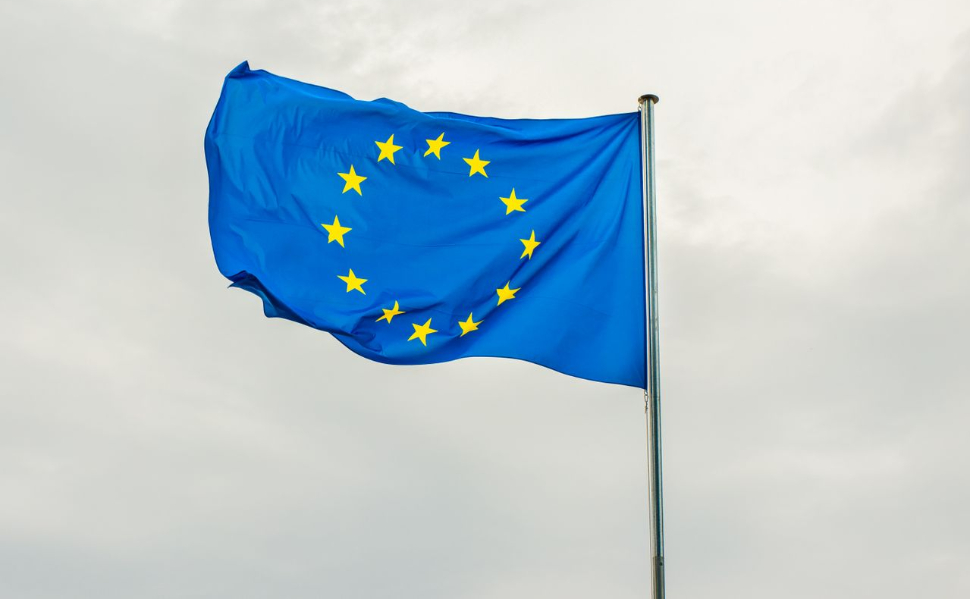
The European Commission has introduced a new framework for gradual EU integration, allowing candidate countries to participate more closely in European Union programs and policies before becoming full members.
The initiative, presented on November 4 as part of the 2026 Enlargement Package, identifies Montenegro, Albania, Ukraine and Moldova as the four countries making the strongest progress toward membership.
Alongside the framework, Brussels presented individual roadmaps outlining the reforms and milestones these countries must complete to advance their accession negotiations.
The proposal could reshape the EU enlargement process by providing practical benefits to candidate countries while they continue working toward full membership.
Montenegro Leads the Race Toward EU Membership
Montenegro is currently the most advanced candidate in the accession process, having provisionally closed 21 negotiating chapters.
According to the European Commission, the country could close its remaining chapters by the end of 2026, provided EU member states agree and the necessary reforms are completed.
Preparations for Montenegro’s accession treaty are already underway, bringing the Western Balkan country closer to the final stage of negotiations.
Albania has also made significant progress, opening its final negotiating cluster and meeting important interim benchmarks related to the rule of law.
The country aims to conclude accession negotiations by 2027, although the Commission emphasized that continued reforms and constructive political dialogue remain essential.
Moldova has opened four negotiating clusters and is pursuing the goal of completing negotiations by early 2028.
Ukraine has also advanced despite Russia’s ongoing war, with the European Commission assessing that it has met the conditions required to open its remaining negotiating clusters.
However, both countries must continue implementing reforms, particularly in the judiciary, democratic institutions and public administration.
What Gradual EU Integration Means for Candidate Countries
Under the proposed framework, candidate countries could gain broader access to selected EU programs, agencies and policy initiatives before officially joining the bloc.
The Commission identified energy, transportation, digital technologies and defense as priority areas for closer cooperation.
Gradual integration could also strengthen economic connections, improve infrastructure and create opportunities for businesses operating across European markets.
Existing initiatives, including the EU’s €6 billion Growth Plan for the Western Balkans, already support closer economic integration and access to parts of the European single market.
The new framework aims to make these opportunities more structured and predictable.
Over the next six months, the European Commission plans to hold discussions with enlargement partners to identify opportunities tailored to individual countries.
However, gradual integration does not guarantee EU membership or replace the existing accession requirements.
Candidate countries must continue meeting standards related to democracy, the rule of law, fundamental rights and economic reforms.
The Commission also emphasized that progress will depend on the decisions of EU member states.
What About Macedonia and Serbia?
While Montenegro and Albania are advancing, other Western Balkan countries face additional challenges.
Macedonia has continued implementing reforms under the EU Reform and Growth Facility but has not yet adopted the constitutional amendments required to advance its accession negotiations.
The European Commission also called for further improvements in the rule of law.
Serbia, meanwhile, made no substantial progress in accession negotiations during the reporting period.
Brussels raised concerns about political polarization, democratic standards and Serbia’s limited alignment with EU foreign and security policy.
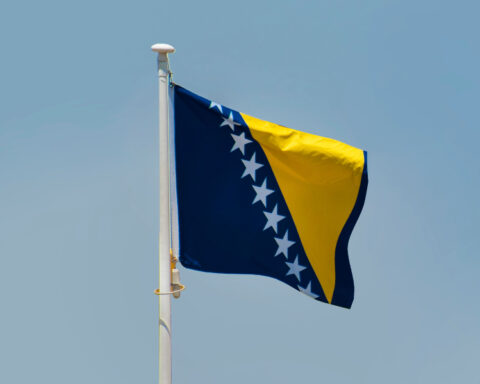
Bosnia and Herzegovina also faces significant challenges in moving forward with EU-related reforms.
The Commission said it could present similar accession roadmaps for other candidate countries once they demonstrate comparable progress.
For Balkan communities living in the United States and Canada, the developments offer a clearer picture of how their countries of origin could become more closely connected to European institutions and markets.
The latest proposals mark an important step in the EU’s enlargement strategy, but the timetable for membership will ultimately depend on reforms, negotiations and agreement among existing EU members.