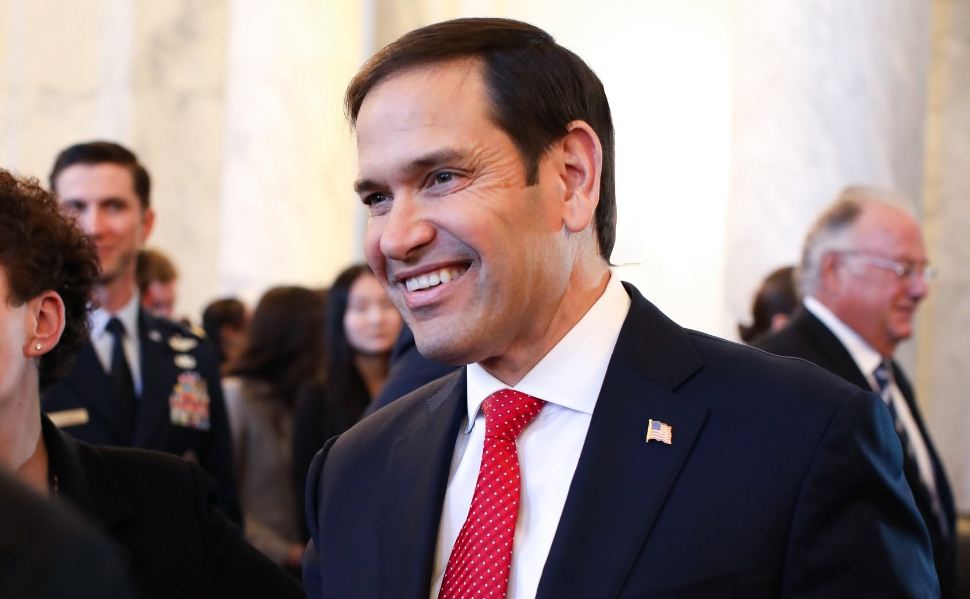
U.S. Secretary of State Marco Rubio described the discussions as “very productive,” but cautioned that much work remains. He said the goal is to bring additional European representatives into the negotiations at a later stage.
Representatives from the United States, Ukraine, and Russia held talks in Abu Dhabi on Tuesday in an effort to find a path toward ending the war in Ukraine. The first day of negotiations concluded after approximately four hours, with discussions expected to resume Wednesday, according to The Guardian.
U.S. Secretary of State Marco Rubio described the talks as “very productive,” while emphasizing that significant work remains before an agreement can be reached. He also said Washington hopes other European representatives will eventually join the diplomatic process.
The meeting marks the first substantive trilateral negotiations since February specifically aimed at ending the war, which has now lasted more than four and a half years. The U.S. delegation is led by special envoys Steve Witkoff and Jared Kushner, President Donald Trump’s son-in-law. Ukraine’s delegation is headed by Rustem Umerov, chief of Ukraine’s foreign intelligence service.
One of the central issues under discussion is the security guarantees Ukraine would receive after the war. The United States is considering guarantees modeled on Article 5 of the NATO treaty, which states that an armed attack against one member is considered an attack against all members.
Territorial issues, however, remain among the biggest obstacles to an agreement. Ukraine is demanding that Russia withdraw to the countries’ original border, while Russian President Vladimir Putin is seeking control over the entire Donbas region in eastern Ukraine.
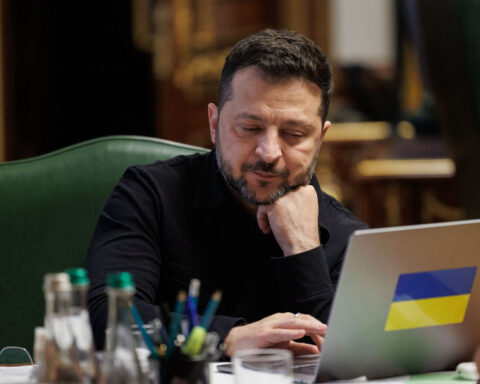
Ahead of the talks, Ukrainian President Volodymyr Zelenskyy said battlefield successes by Ukrainian forces were strengthening Kyiv’s negotiating position. He stressed that successful defensive operations were reinforcing Ukraine’s position both militarily and diplomatically.
Although representatives from France, Germany, and the European Commission are also in Abu Dhabi, they are not directly participating in the trilateral negotiations. Russia opposes their involvement at this stage.
Instead, the Ukrainian delegation is expected to brief its European allies separately on the progress of the discussions. European officials are concerned that an agreement reached without their direct participation could overlook the continent’s security interests.
President Donald Trump previously said he saw a strong willingness on both sides to end the war, noting that both countries were tired of fighting. Nevertheless, it remains uncertain whether the negotiations will produce progress on the most difficult issues: territory, security guarantees, and Europe’s postwar security order.