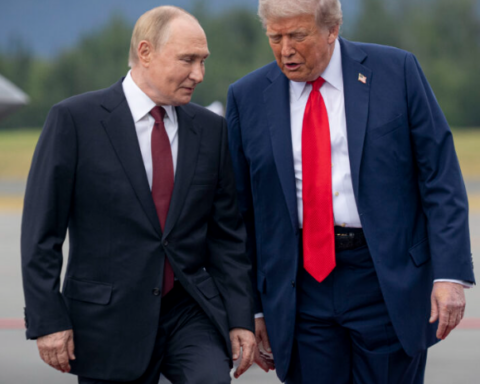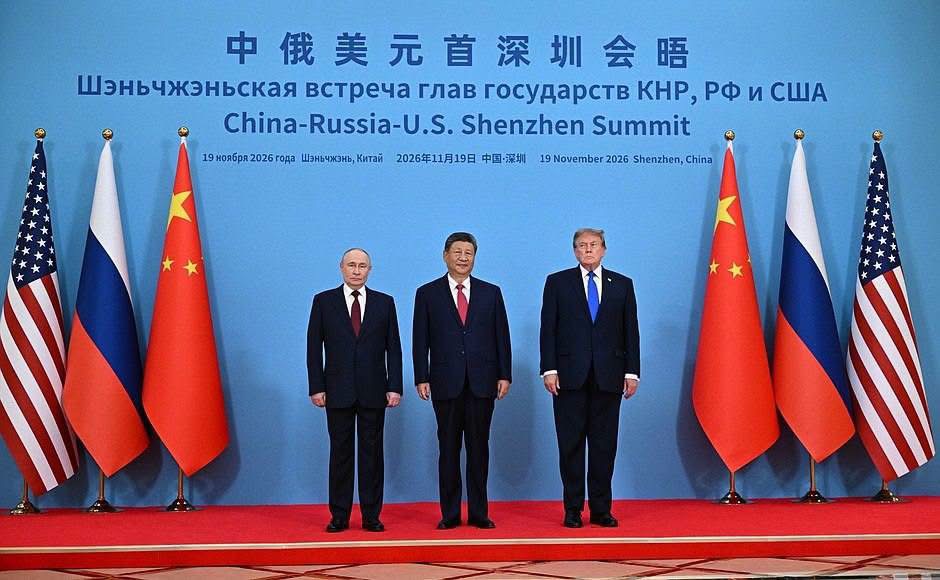
A joint declaration issued by Donald Trump, Xi Jinping and Vladimir Putin has brought the leaders’ differing approaches to the United Nations back into focus, after all three called for reform of the international organization.
Although the three leaders have previously advocated changes to the international system of governance, their views and priorities differ considerably.
Trump has criticized what he describes as the UN’s shift toward a “globalist” agenda, while China and Russia have urged other countries to regard the United Nations as the central legitimate forum for international governance.
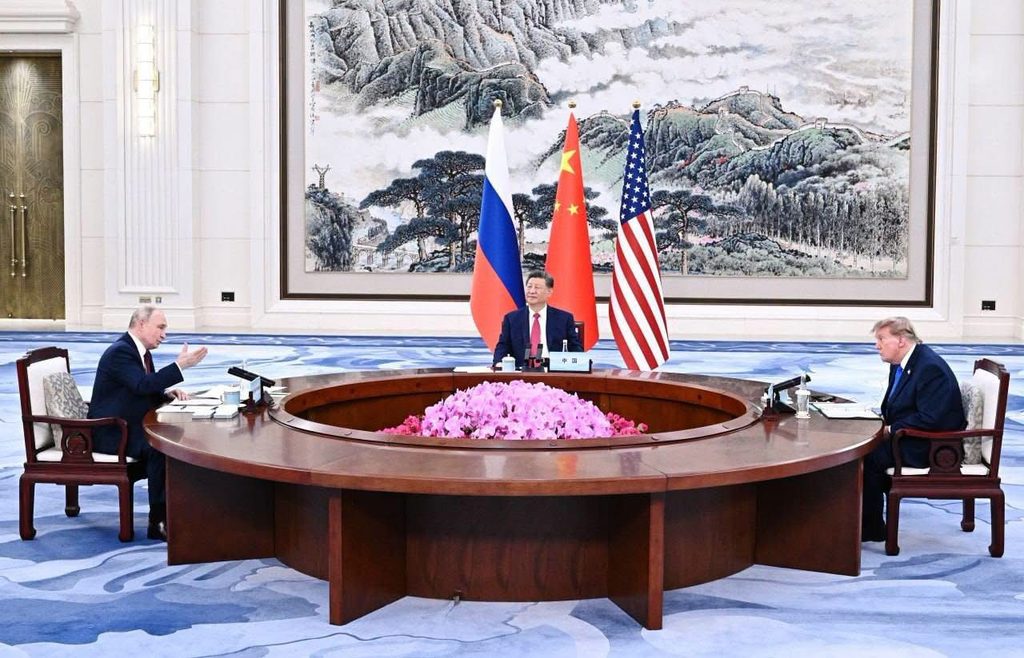
Speaking after the summit in Shenzhen, Chinese President Xi Jinping said China, Russia and the United States should implement the agreements reached at the meeting and continue strengthening communication.
The joint “Declaration Toward Peace,” released following the summit, calls for reforming the United Nations so that it can respond more effectively to global challenges and fulfill its fundamental mission of maintaining international peace and security.
The four-point declaration also addresses energy supplies, the immunity of state officials and nuclear security. The three countries pledged to increase the production and supply of refined petroleum products, reaffirmed the importance of stable energy flows, and agreed to hold dialogue on reducing nuclear risks and preventing the proliferation of nuclear weapons.

Greater Representation in the United Nations
The United States and China are already permanent members of the UN Security Council, with veto power. Together with Russia, they have supported giving countries in Asia, Africa and South America a greater role in international decision-making.
Russia has openly opposed efforts by Germany and Japan to obtain permanent seats on the Security Council. Moscow argues that Western countries and NATO members are already overrepresented and often vote as a unified bloc against Russian interests.
The declaration also emphasizes respect for national sovereignty and the immunity of government officials. It states that the principle of state consent and the protection of officials from improper legal jurisdiction are of particular importance, while calling on the International Criminal Court and similar bodies not to abuse their authority.
Xi Calls for Cooperation Among Major Powers
Following the meeting with Trump and Putin, Xi said the three countries should promote peace through cooperation and work together to build a better world.
“The three countries share the same position on safeguarding world peace, and all have emphasized that the hard-won peace must be preserved,” Xi said.
Summarizing the outcomes of the meeting, the Chinese president described the summit as positive, constructive and productive.
Xi also said that good relations among major powers are not simply a matter of choice but a necessity. Humanity, he argued, shares a common future, and major countries have a special responsibility in what he described as a “global village.”
In recent years, Xi said, China has continued developing its comprehensive strategic partnership with Russia while actively pursuing constructive relations with the United States based on strategic stability.
He said the goal should be relations among major powers characterized by peaceful coexistence, overall stability and balanced development, for the benefit of the countries themselves and the wider world.
As three major powers and permanent members of the UN Security Council, China, Russia and the United States should set an example, respond jointly to global challenges, preserve international peace and stability, and contribute to human progress, Xi said.
Xi Presents Four Principles for Relations Among Major Powers
The Chinese president also outlined four principles he believes leading countries should follow to support international peace and cooperation.
He called for mutual respect, peaceful coexistence, mutually beneficial cooperation, dialogue and consultation.
Xi said countries should respect one another’s sovereignty and territorial integrity, as well as each nation’s chosen social system, development path and core interests.
“They should not interfere in the internal affairs of other countries,” Xi said, according to the Serbian media outlet Blic.
The summit produced a joint declaration on broad principles, but it did not establish a detailed timetable or specific mechanism for implementing the proposed UN reforms.