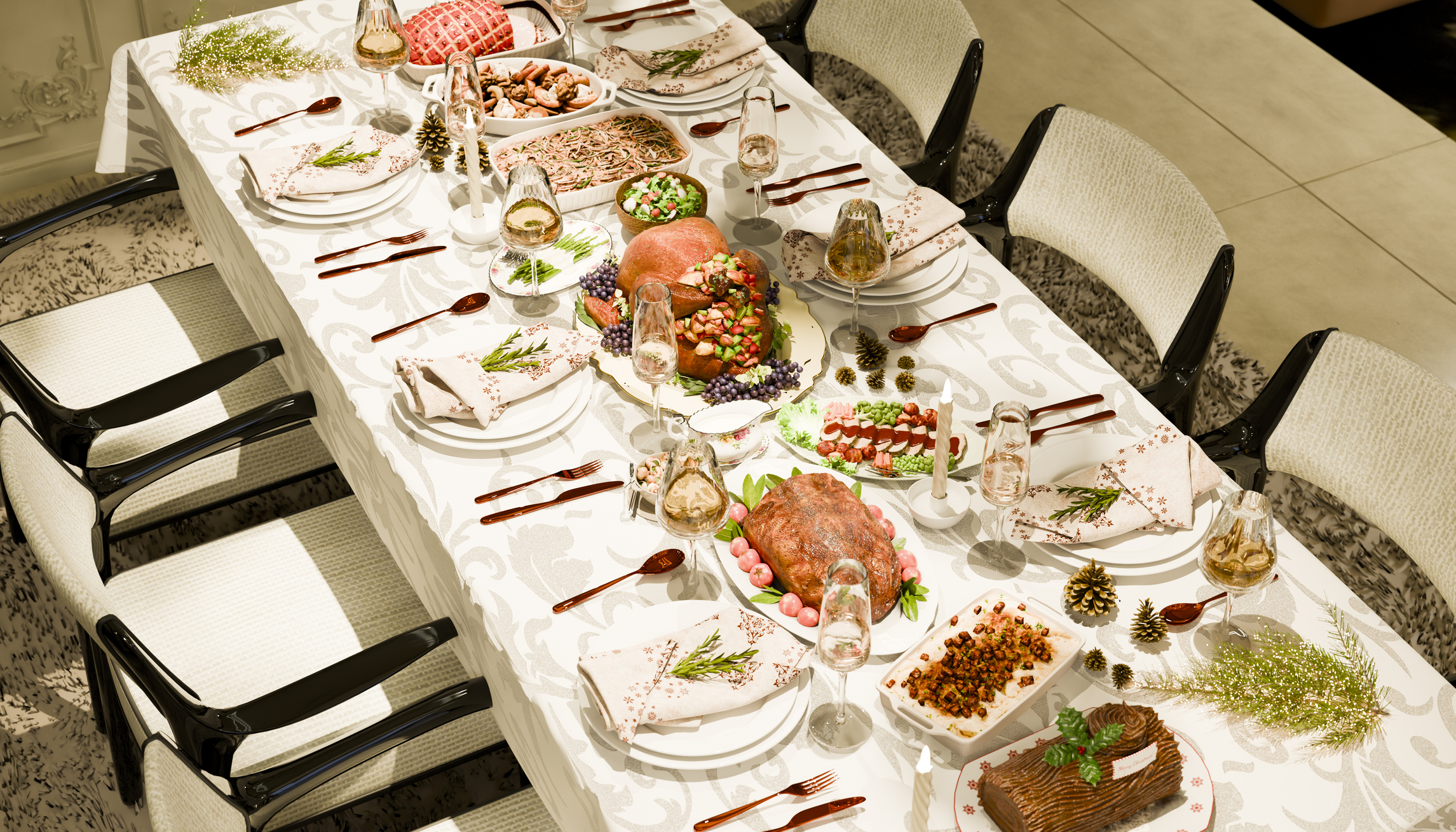
Feeling sleepy after a big Thanksgiving dinner is real, but nutrition experts say turkey is not to blame. Despite a long-standing belief that the tryptophan in turkey causes the familiar post-meal “food coma,” the actual reasons have more to do with carbohydrates and overeating.
Kimberly Dong, an associate professor of public health at Tufts University School of Medicine, explains that tryptophan is an amino acid that helps the body produce serotonin and melatonin, chemicals associated with mood and sleep. However, turkey does not contain enough of it to make people drowsy. Chicken and beef have similar amounts, while cheddar cheese contains even more.
Instead, the large amounts of carbohydrate-rich foods commonly served at Thanksgiving contribute to the post-dinner fatigue.
“When people eat a lot of carbohydrate-rich foods that are really quickly absorbed into the bloodstream,” blood sugar levels rise and then drop rapidly, Dong explained. This fluctuation can contribute to tiredness.
Overeating also plays a role. Susan Roberts, a professor and nutrition scientist at Dartmouth’s Geisel School of Medicine, says that digestion requires increased blood flow to the gastrointestinal tract, which can leave people feeling sluggish.
Her advice? Don’t feel guilty about taking a nap.
“If you have overeaten and you do feel tired, fine, take a nap. Enjoy it,” Roberts said.
But the turkey-sleepiness myth is not the only Thanksgiving misconception nutrition and food experts want to clear up.
Myth No. 2: Overeating on Thanksgiving Is Inevitable
Skipping breakfast to save calories for Thanksgiving dinner may seem like a good strategy, but experts say it can backfire.
Dong recommends eating a light breakfast and staying hydrated rather than arriving at the dinner table extremely hungry.
Roberts suggests preparing in advance by eating fiber-rich foods during the two days leading up to Thanksgiving to help control hunger.
The experts also have different views on leftovers. Dong believes putting some food aside can help prevent people from feeling that Thanksgiving is their only opportunity to enjoy certain dishes.
Roberts, however, recommends limiting leftovers from the beginning, arguing that resisting tempting food becomes much harder once it is sitting in the refrigerator.
Myth No. 3: The Sniff Test Is Enough to Determine Whether Leftovers Are Safe
Leftovers are one of the best parts of Thanksgiving, but experts warn that smell and appearance cannot reliably determine whether food is safe to eat.
Anne Suelzer, a registered dietitian with Health Loft, says properly stored Thanksgiving leftovers generally remain safe for three to four days.
However, harmful bacteria can grow without changing the food’s smell, taste or appearance.
The USDA recommends refrigerating leftovers within two hours of cooking or serving. Experts also suggest packing food away while guests are still at the table rather than waiting until the end of the evening.
Myth No. 4: The First Thanksgiving Menu Looked Like Today’s Traditional Feast
Another common misconception is that the traditional Thanksgiving menu eaten today closely resembles the meal shared by the Pilgrims and the Wampanoag people in November 1621.
According to Malka Benjamin, director of colonial interpretation and training at Plimoth Patuxet Museums in Massachusetts, the most detailed surviving account comes from a letter written by Pilgrim Edward Winslow.
The letter describes a three-day celebration during which Wampanoag leader Massasoit brought five deer, while the Pilgrims hunted enough wild fowl to feed the entire colony for nearly a week.
Although Winslow did not specifically mention turkey, Benjamin says it was likely among the birds served, alongside duck and goose.
The meal probably also included seafood, squash and nasaump, a traditional Wampanoag porridge-like dish made from ground corn and berries.
So, if you feel sleepy after Thanksgiving dinner, don’t blame the turkey. Experts say the combination of a large meal, carbohydrates and overeating is much more likely to be responsible.