Every year, on the fourth Thursday of November, millions of Americans gather with family and friends to celebrate Thanksgiving. The day is filled with traditional food, roast turkey, pumpkin pie, football, the famous Macy’s Thanksgiving Day Parade and, most importantly, gratitude.
But how did this American tradition begin? Why is Thanksgiving celebrated in November, and why is it always on the fourth Thursday rather than simply the last Thursday of the month?
The story dates back more than 400 years and involves English settlers, Native Americans, a Civil War president and even a controversy known as Franksgiving.
The First Thanksgiving: A Celebration in 1621
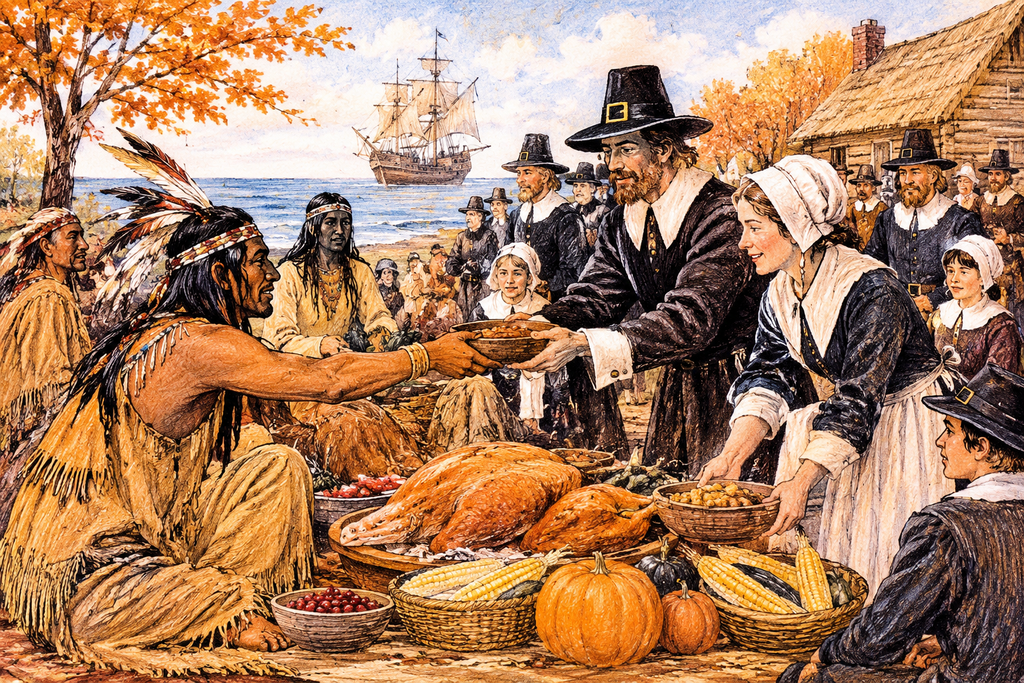

The story of the first Thanksgiving takes us to Plymouth, Massachusetts, in the autumn of 1621.
English settlers known as the Pilgrims had endured an extremely difficult first winter after arriving in North America. Many had died, and the surviving settlers struggled to establish a successful colony.
With help from the local Wampanoag people, who taught them important farming, fishing and hunting techniques, the settlers managed to produce a successful harvest.
To celebrate, they organized a three-day feast, joined by members of the Wampanoag community.
Much of what we know about this celebration comes from historical accounts written by Plymouth Governor William Bradford and settler Edward Winslow.
The menu was very different from today’s Thanksgiving dinner. Historical accounts suggest that it included wild birds, deer, seafood, corn and squash. There is no evidence of pumpkin pie or the elaborate turkey dinner Americans enjoy today.
The gathering is remembered as an important moment of cooperation between two cultures, although the subsequent history of European colonization brought devastating consequences for Native American communities.
How Did Thanksgiving Become an Official American Holiday?
Although the first Thanksgiving took place in 1621, it took more than two centuries for the celebration to become an official national holiday.
In 1789, President George Washington proclaimed a national day of thanksgiving, encouraging Americans to express gratitude for the country’s independence and blessings.
However, the tradition was not yet established as an annual federal holiday.
A major role in making Thanksgiving a national tradition was played by Sarah Josepha Hale, a magazine editor and writer who spent years campaigning for a national Thanksgiving holiday. She wrote letters to several presidents, arguing that a shared day of gratitude could help unite the country.
Her campaign eventually reached President Abraham Lincoln.
In 1863, while the Civil War was dividing the nation, Lincoln proclaimed a national Thanksgiving Day to be observed on the last Thursday of November.
His goal was to encourage unity and gratitude during one of the darkest periods in American history.
From that point forward, Thanksgiving became an annual national tradition.
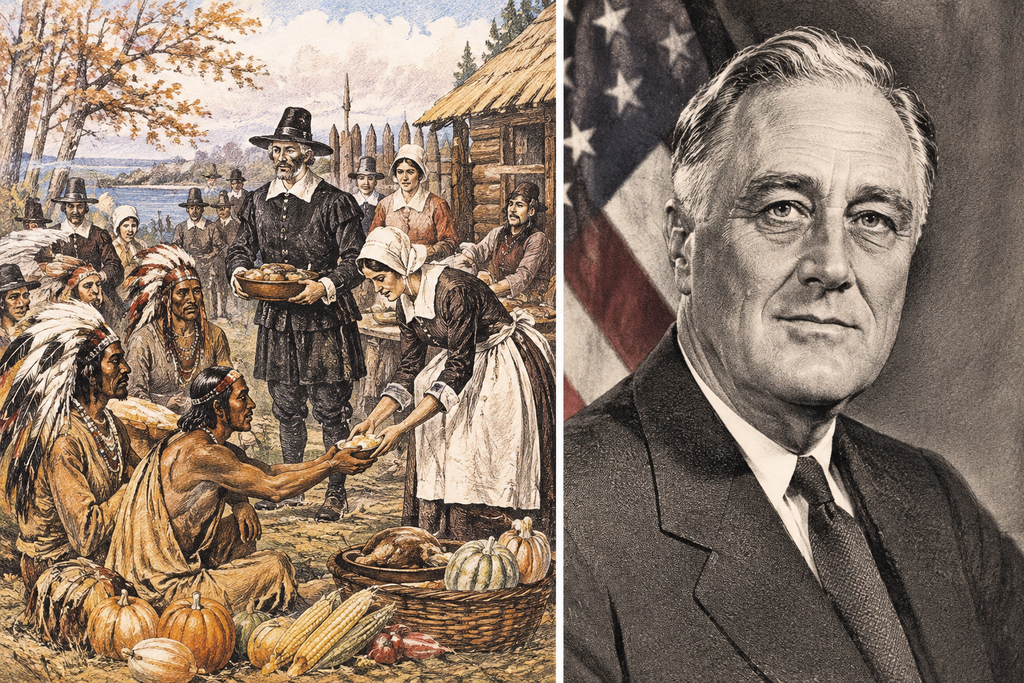
Why Is Thanksgiving Celebrated on the Fourth Thursday of November?
The answer involves President Franklin D. Roosevelt and a rather unusual political controversy.
For decades, Thanksgiving was celebrated on the last Thursday of November, following Lincoln’s proclamation.
But in 1939, something unusual happened. November had five Thursdays, meaning Thanksgiving would fall on November 30, leaving a shorter period for Christmas shopping.
Roosevelt worried that the late holiday would hurt retailers and slow economic recovery during the Great Depression.
He therefore moved Thanksgiving to the second-to-last Thursday of November, hoping to give businesses an additional week of holiday shopping.
Not everyone agreed.
Some states accepted the new date, while others continued celebrating on the traditional date. The disagreement became so controversial that the new holiday was nicknamed “Franksgiving,” combining Franklin and Thanksgiving.
The confusion continued until Congress intervened.
In October 1941, Congress passed legislation establishing Thanksgiving on the fourth Thursday of November. President Roosevelt signed it into law on December 26, 1941.
Since then, the fourth Thursday of November has been the official date of Thanksgiving in the United States.
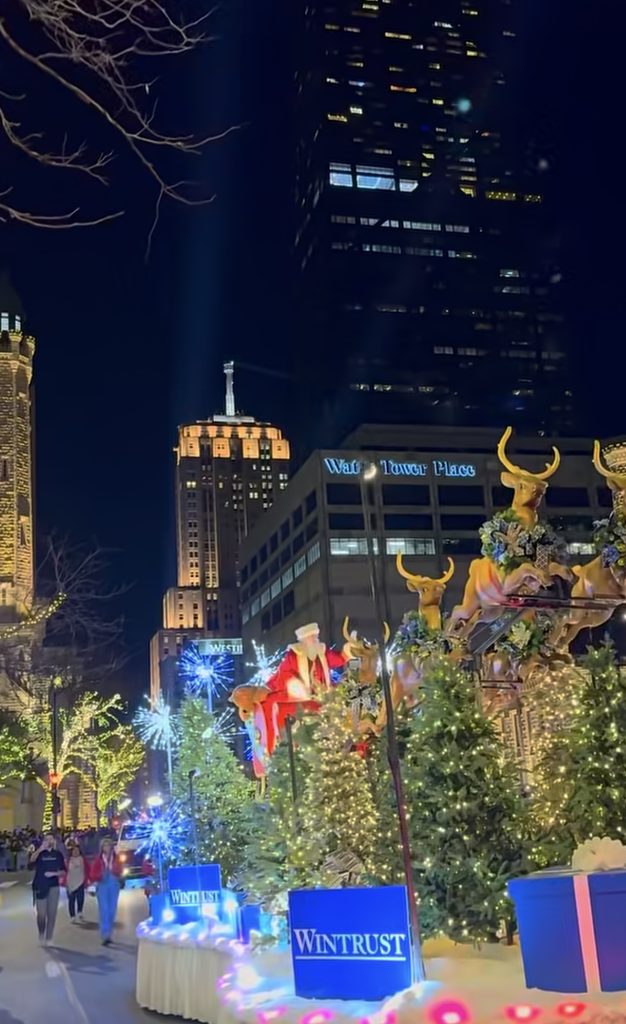
How Americans Celebrate Thanksgiving Today
Today, Thanksgiving is much more than a historical anniversary. It is one of the most important family holidays in American culture.
Some of the most popular traditions include:
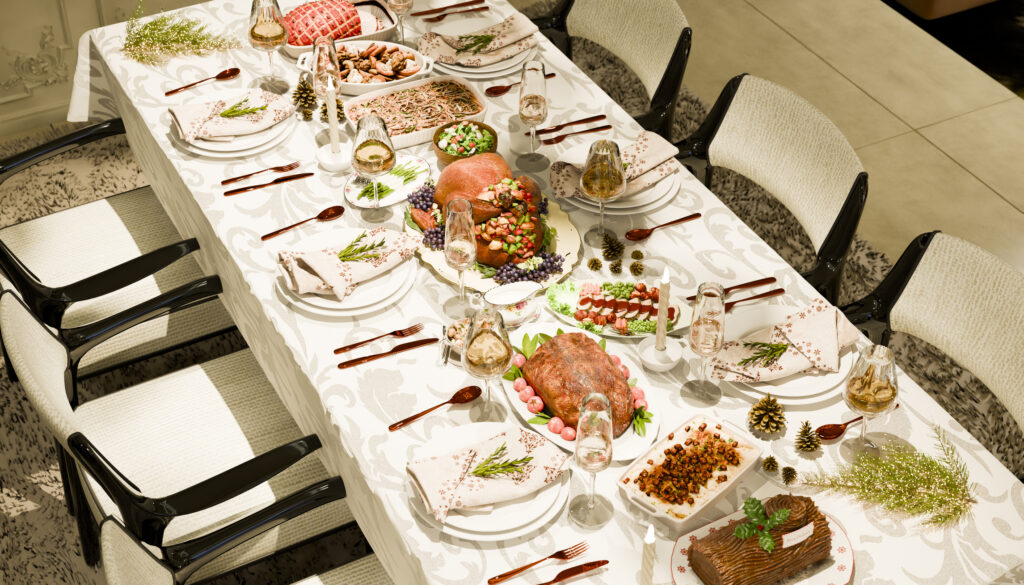
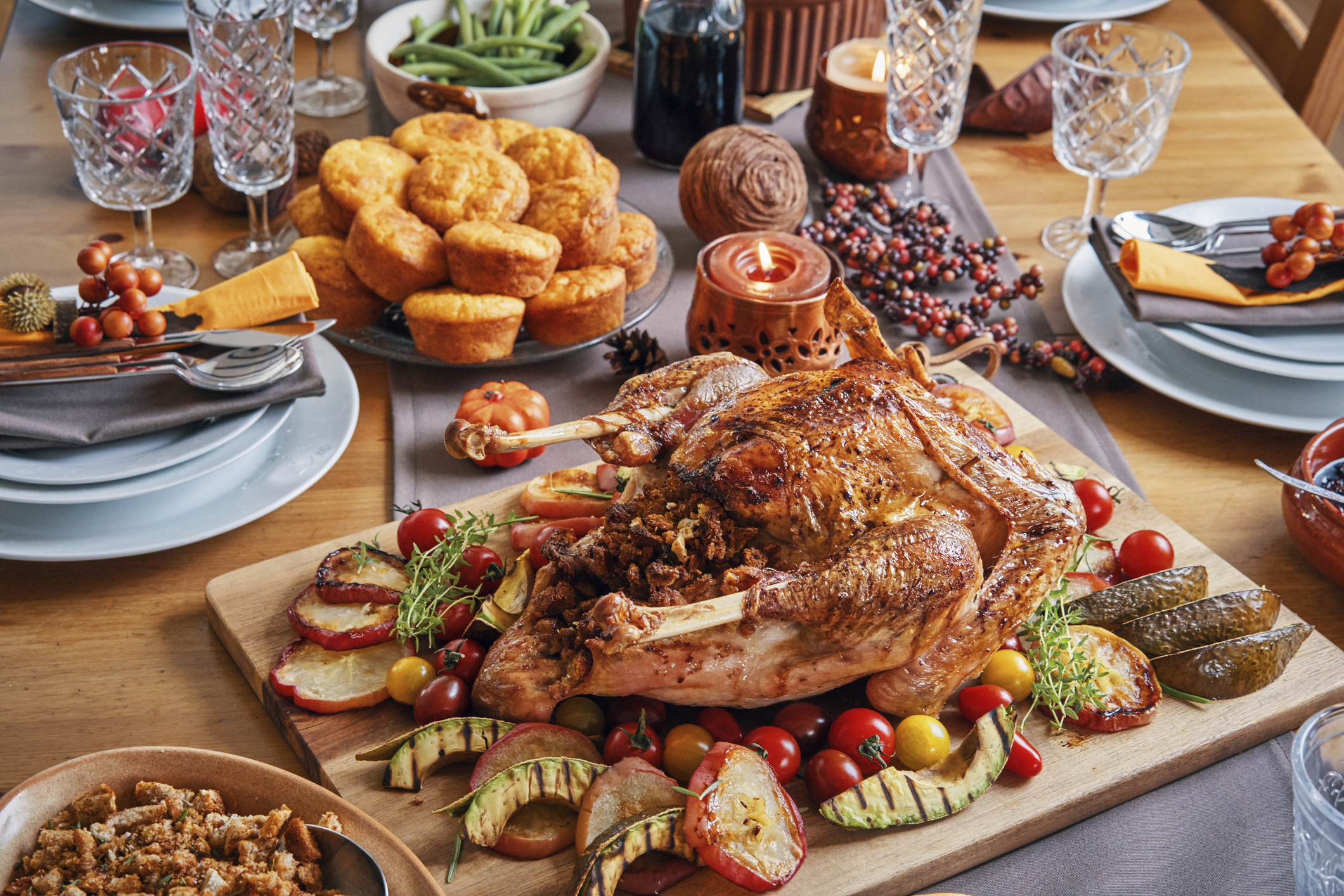
- The Thanksgiving dinner: Roast turkey, stuffing, mashed potatoes, gravy, cranberry sauce, vegetables and pumpkin pie.
- Macy’s Thanksgiving Day Parade: A spectacular annual parade in New York City featuring giant balloons, floats, marching bands and performances.
- American football: Millions of people watch Thanksgiving games with family and friends.
- Traveling home: One of the busiest travel periods of the year, as Americans cross the country to reunite with loved ones.
- Giving back: Many communities organize food drives, charity events and meals for people in need.
Thanksgiving also marks the unofficial beginning of the Christmas holiday season, with Black Friday shopping following the next day.
Thanksgiving: More Than Just Turkey and Shopping
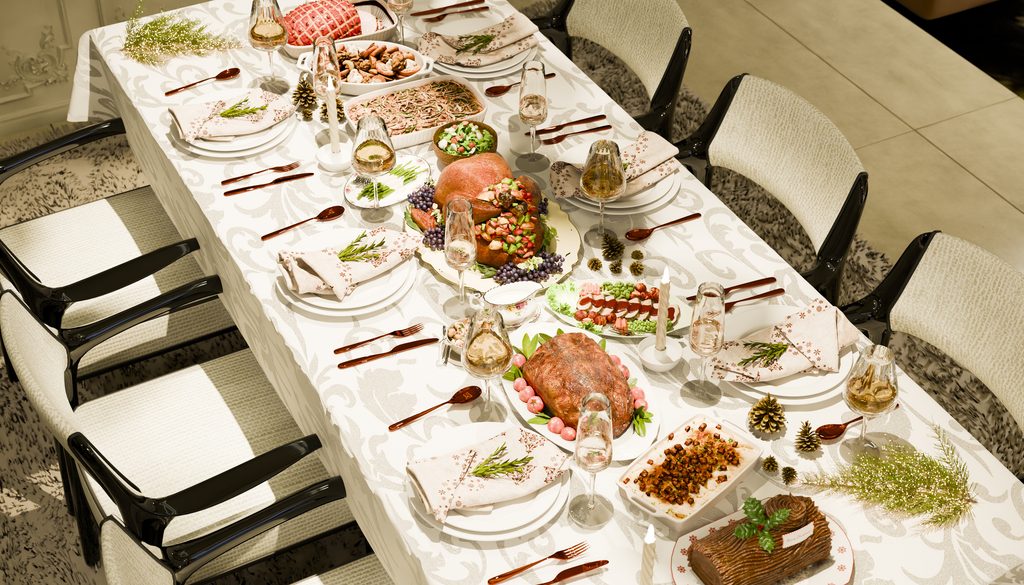
For Americans, Thanksgiving is ultimately a day to pause, appreciate what they have and spend time with the people who matter most.
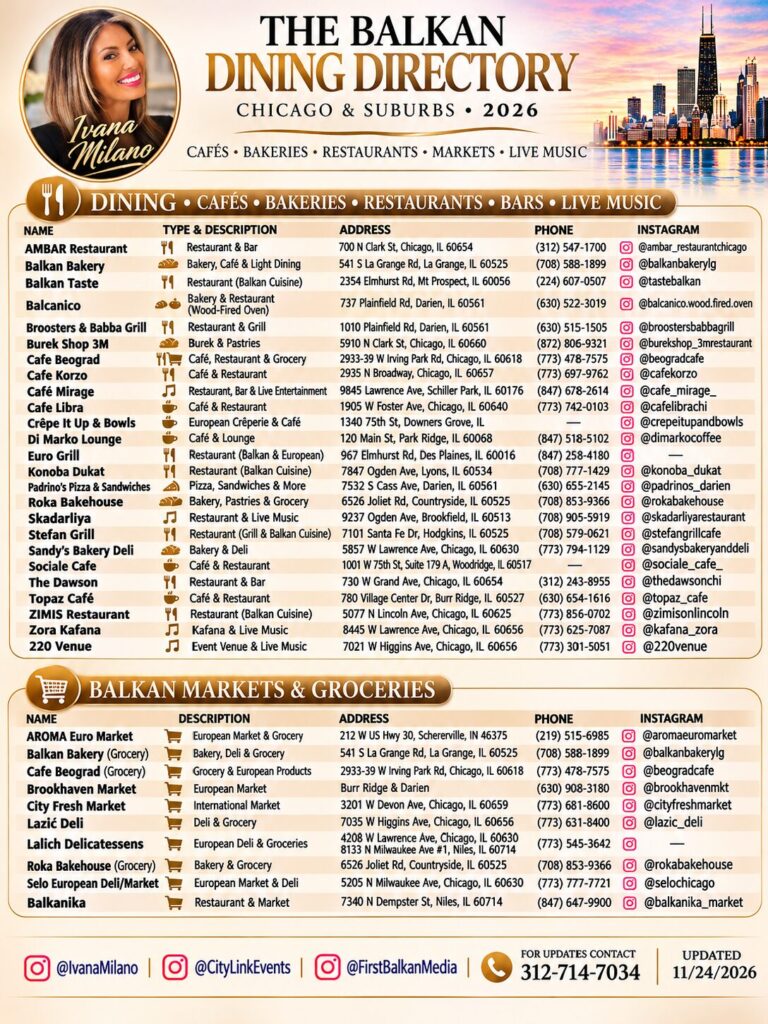
For millions of immigrants who have made the United States their home, including the Balkan community, it is also an opportunity to embrace American traditions while bringing their own culture, food and family customs to the celebration.
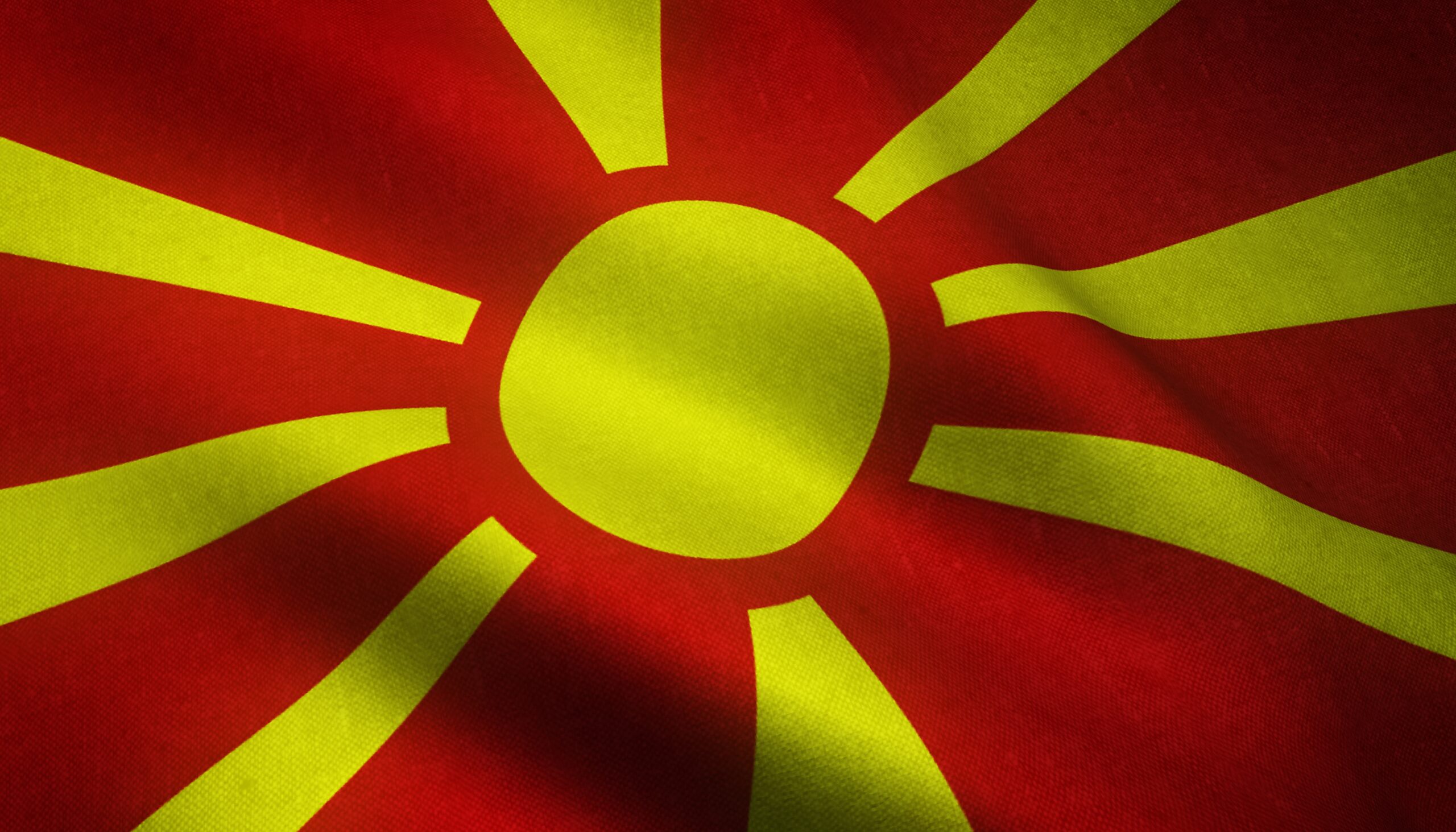
Whether the table features traditional American turkey, Macedonian sarma, Serbian sarma, Croatian specialties or a little bit of everything, the meaning remains the same: family, togetherness and gratitude.
Happy Thanksgiving, America!