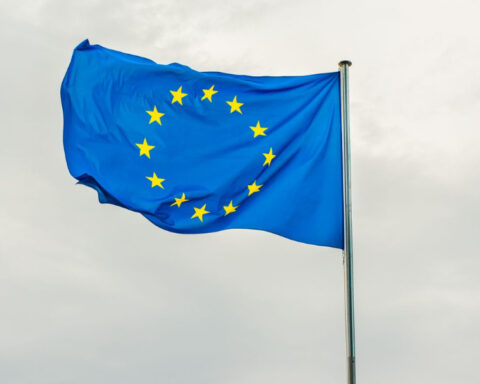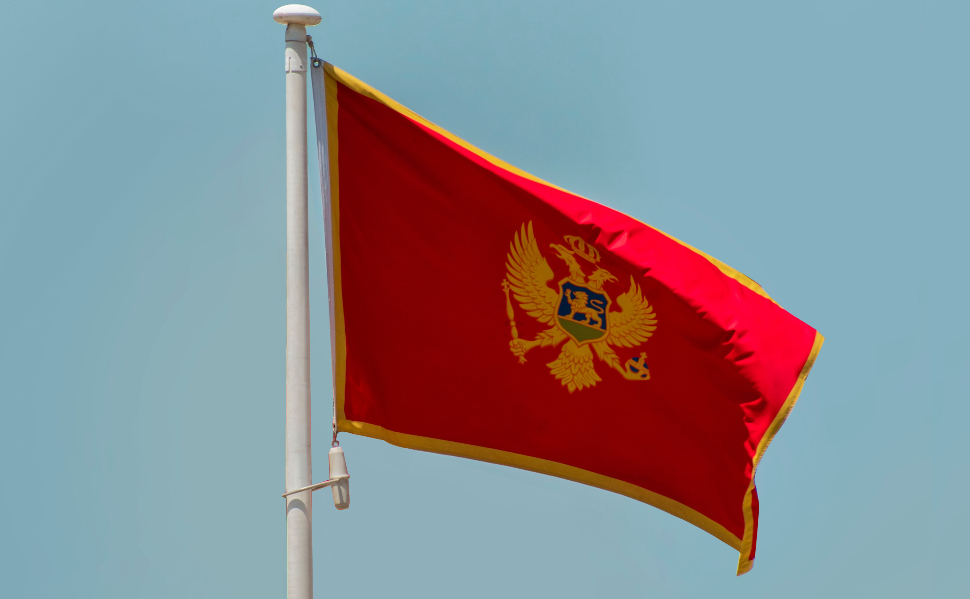
Montenegro is preparing to close two more European Union negotiating chapters on November 6, marking another step toward its goal of becoming the bloc’s 28th member in 2028.
European Affairs Minister Maida Gorčević announced the development during a parliamentary session on Thursday, November 5, saying the country would advance its accession negotiations at an intergovernmental conference with the EU.
The announcement comes as the European Commission outlines a possible timetable for Montenegro to complete negotiations and sign an accession treaty in 2027.
Two EU Negotiating Chapters Set for Closure
Montenegro is expected to provisionally close Chapter 1, covering the free movement of goods, and Chapter 12, which deals with food safety, veterinary and phytosanitary policy.
These areas are important for aligning Montenegro’s economy and regulatory system with European Union standards.
The free movement of goods is a fundamental principle of the EU single market. It allows products that meet applicable requirements to circulate across member states without unnecessary trade barriers.
Chapter 12 focuses on food safety, animal health and plant protection, including standards that affect agricultural production and international trade.
Gorčević announced the expected progress while answering questions from lawmakers in the Montenegrin parliament.
The development would bring the country closer to completing the technical requirements of its accession negotiations.
However, the provisional closure of negotiating chapters does not automatically guarantee EU membership. Montenegro must complete the remaining reforms and secure approval from existing EU member states.
Montenegro Targets EU Accession Treaty in 2027
The European Commission has indicated that Montenegro could complete its accession negotiations by the end of 2026.
According to Reuters, the country could sign an accession treaty as early as June 2027, provided it maintains reform momentum and fulfills the remaining conditions.
Montenegro aims to become the European Union’s 28th member in 2028.
The country has emerged as one of the most advanced candidates in the EU enlargement process, although significant work remains.
The European Commission has emphasized the importance of continued institutional reforms and political cooperation.
Even after negotiations conclude, Montenegro’s accession treaty would require ratification by all 27 existing EU member states.
For other Western Balkan countries, Montenegro’s progress offers an indication of how the EU enlargement process could develop in the coming years.
Serbia, Macedonia, Bosnia and Herzegovina and other regional partners are also pursuing closer integration with the European Union, although their negotiations are at different stages.
Montenegro’s expected progress on November 6 represents another milestone in its accession process, but the final decision on membership will depend on the successful completion of negotiations and ratification procedures.