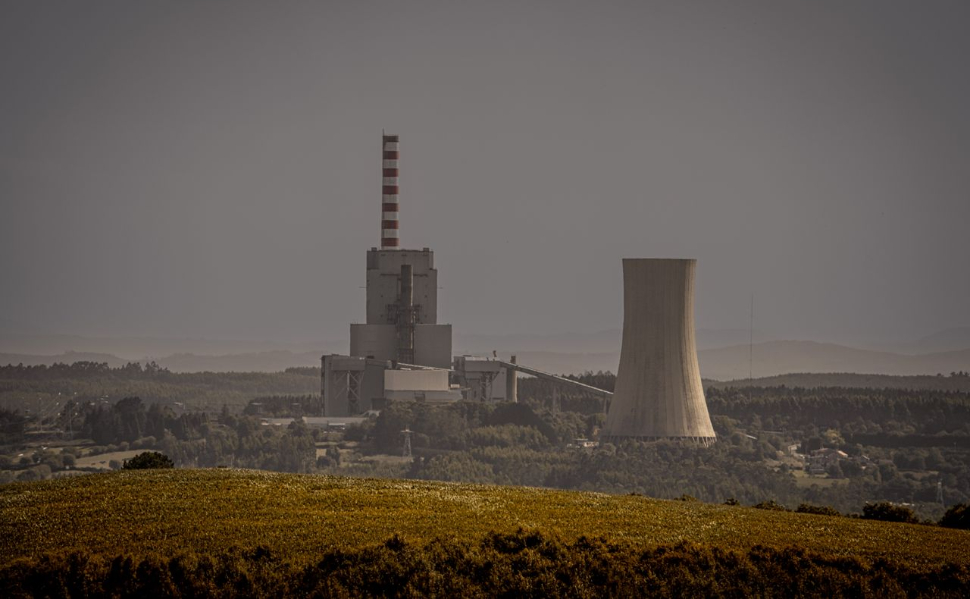
Illinois regulators have proposed allowing 11 gas- and oil-fired backup power plants to operate until 2033, extending their working lives as growing electricity demand raises concerns about future supply.
The facilities had faced deadlines in 2030 or 2031. A draft state plan now recommends extending the applicable requirements through the end of the 2032–33 planning year.
The proposal reflects a challenge facing Illinois: maintaining reliable electricity supplies while pursuing its transition away from fossil fuels. Data centers, including facilities supporting artificial intelligence, are adding substantial demand to the grid.
The extension remains a proposal. State agencies are accepting public comments before completing the mitigation plan.
Backup Plants Could Operate for Longer
The affected facilities are known as peaker plants. They provide additional electricity during periods of high demand or when other supplies are insufficient.
Unlike plants designed to generate power continuously, these facilities serve as reserves. Their importance therefore depends partly on whether the wider system can meet demand during its most difficult hours.
The proposed extension includes plants in several Illinois communities. In Chicago, backup generating units remain active at the former Fisk coal plant site in Pilsen. Waukegan also has peaking units at a former coal plant location.
The distinction matters: extending the operation of those units does not mean restarting the old coal-fired facilities.
The state’s assessment links the proposed delay to the need to prevent electricity shortages as demand increases. However, keeping fossil-fuel equipment available for longer also raises concerns about emissions and the effect on surrounding neighborhoods.
For residents, the debate involves both dependable service and the environmental consequences of maintaining older generating capacity.
State Opens Public Review
The Illinois Power Agency and Illinois Environmental Protection Agency released the draft Resource Adequacy Mitigation Plan alongside a broader state electricity-planning report on November 16.
The mitigation plan examines whether facilities facing emissions-reduction deadlines should receive additional operating time when their closure could threaten reliability. Options include operation with reduced emissions or availability as emergency backup where appropriate.
The agencies concluded that a future supply or reliability deficiency remains reasonably likely, providing the basis for the proposed extensions.
Public comments opened on November 16 and will remain available until January 15, 2027, at 5 p.m.
The separate Integrated Resource Plan examines longer-term electricity needs and potential responses. Together, the documents place decisions about existing plants within a wider discussion about future generation, electricity demand and grid reliability.
For households and businesses across the Chicago area, the proposal concerns how Illinois plans to keep sufficient power available during the coming decade. It does not announce an immediate change to electricity bills or guarantee that every affected plant will operate continuously until 2033.
The next step is the public review process, during which stakeholders can challenge the assumptions, proposed extensions and alternatives before the mitigation plan is finalized.