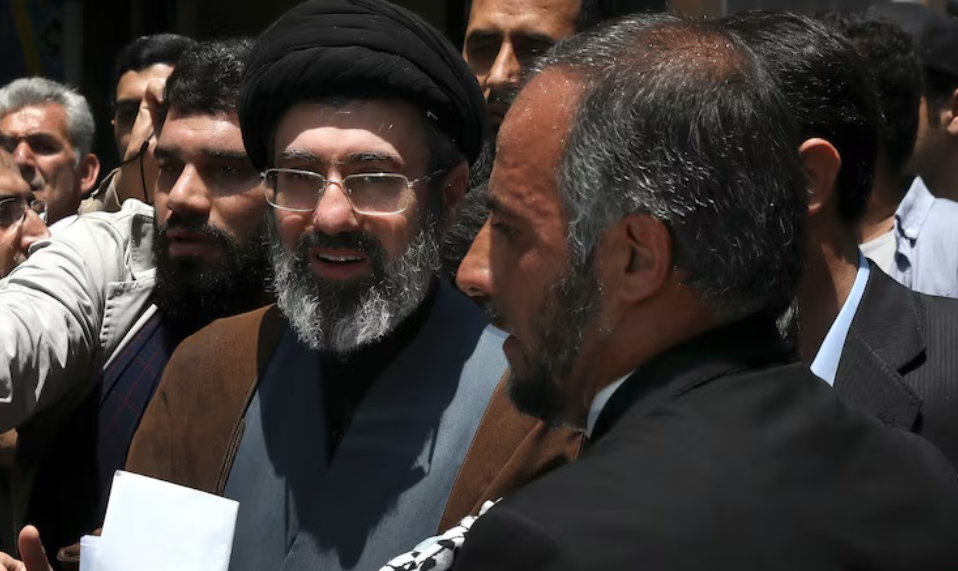
Iran has officially appointed Mojtaba Khamenei, son of the late Ayatollah Ali Khamenei, as the country’s new Supreme Leader, marking the first dynastic succession in the Islamic Republic’s history.
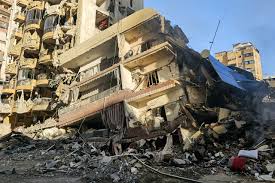
The announcement came from Iran’s Assembly of Experts, the clerical body responsible for selecting the nation’s top religious and political authority. Mojtaba Khamenei takes over following the death of his father in a U.S.-Israeli airstrike on Tehran on February 28, which triggered a broader conflict across the region.
State television confirmed that Mojtaba Khamenei is wounded, using the term “janbaz”, meaning injured by enemy action. Officials have not disclosed the circumstances of the injury, leaving details scarce amid ongoing hostilities.
Iranian ministers, senior officials, and the Revolutionary Guard have pledged loyalty to the new leader. Public reactions are mixed, with reports of protests in Tehran calling for political accountability.
The appointment has drawn criticism from the United States and warnings from Israel, both of which are actively engaged in the regional conflict. Observers note that the succession may complicate diplomatic efforts while the Middle East faces escalating military tensions.
Mojtaba Khamenei, who previously maintained a behind-the-scenes role in Iran’s political and religious apparatus, now faces the challenge of leading the country amid one of the most serious crises in recent Middle East history. His reported injury adds a layer of uncertainty to Iran’s political stability.