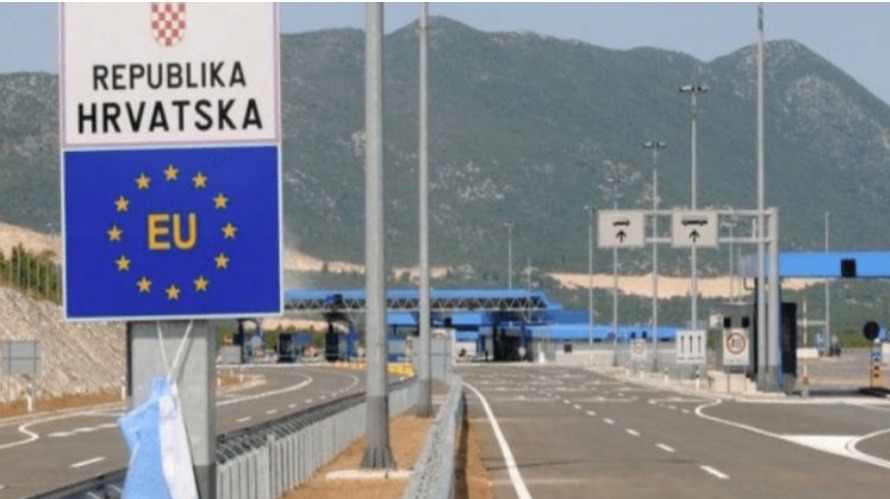
Croatia is preparing to introduce long term visas for professional drivers from countries across the Western Balkans, in a move aimed at easing long standing problems faced by transport workers operating within the Schengen zone.
The measure comes after amendments to Croatia’s Foreigners Act were adopted in parliament, opening the possibility for special visa arrangements for drivers involved in international transport. The initiative is expected to particularly benefit drivers from countries such as Serbia and Bosnia and Herzegovina, many of whom have struggled with the EU’s strict 90 day stay limit within a 180 day period.
Unlike tourists or temporary visitors, professional drivers often spend extended periods crossing European borders as part of their daily work. Transport industry representatives have argued for years that the existing rules fail to recognize the specific nature of their profession, creating uncertainty for thousands of workers responsible for maintaining supply chains across Europe.
The new visa framework is expected to allow transport companies from the region, particularly those with contracts involving Croatian or other EU based firms, to secure longer term permits for their drivers. Croatian authorities are also reportedly coordinating with other EU member states on similar solutions, as pressure grows to resolve operational difficulties in the logistics sector.
The issue became even more pressing following the gradual introduction of the EU’s Entry/Exit System, which tightens monitoring of time spent inside the Schengen area. Regional carriers warned that without a legal adjustment, many drivers risked administrative complications despite spending their time in transit rather than residing in EU countries.
Officials and transport associations view the planned changes as an important step toward stabilizing regional logistics and ensuring smoother movement of goods across European markets. The expectation is that implementation could begin within the coming weeks, providing long awaited relief for thousands of professional drivers in the Balkans.