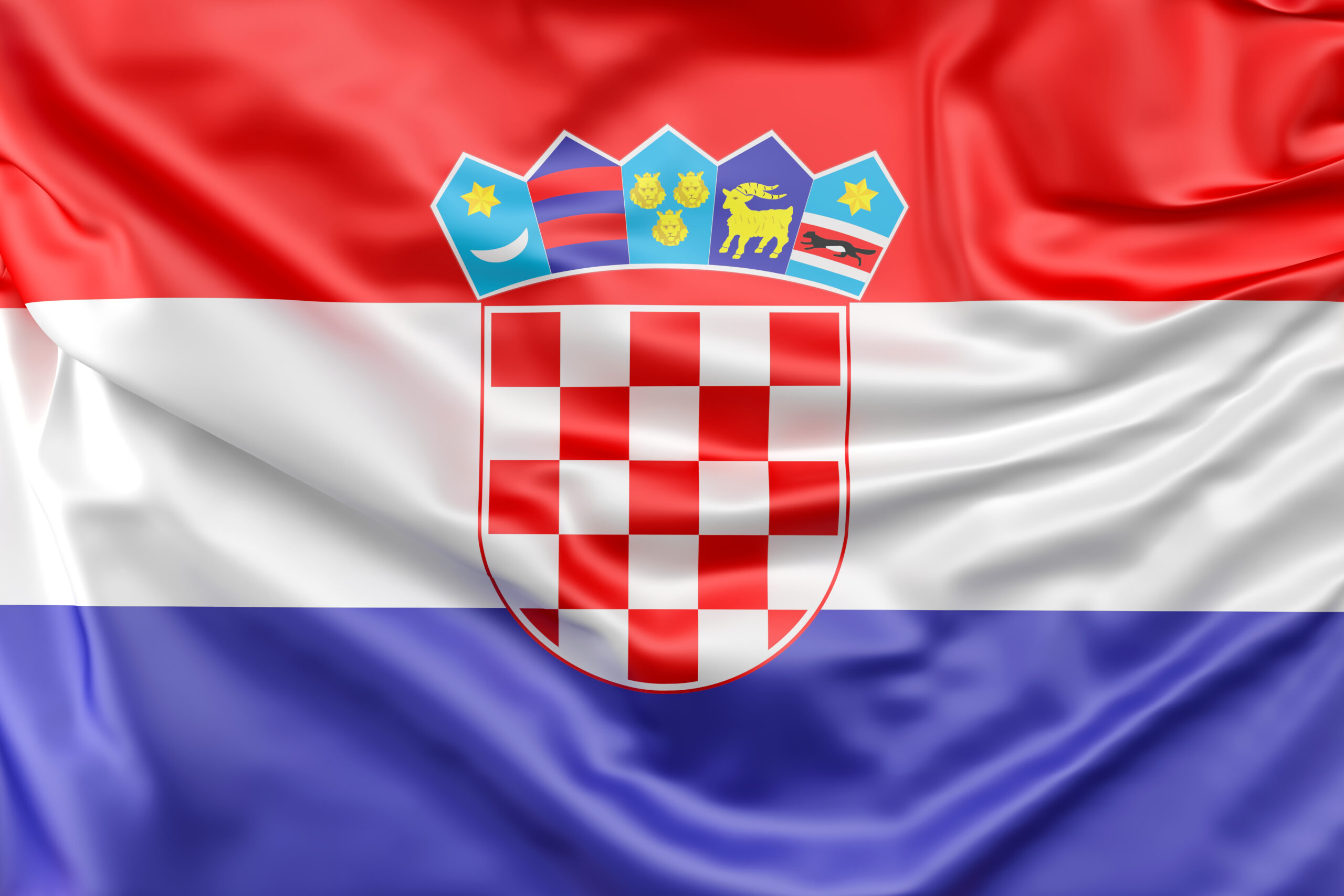
Croatia’s passport has secured 8th place in the newly released Henley Passport Index for Q2 2026, placing it among the world’s most powerful travel documents and ahead of both the United Kingdom and the United States. According to the quarterly ranking published on July 1 by global consultancy Henley & Partners, Croatian citizens can now travel visa free to 182 destinations worldwide, sharing the position with Estonia. The index, which assesses 199 passports using exclusive data from the International Air Transport Association, measures passport “power” solely by the number of countries accessible without a prior visa.
The 2026 rankings reveal a shifting landscape of global mobility. Singapore retains its crown for the third consecutive year, offering visa free access to 192 of 227 destinations. Japan, South Korea, and the United Arab Emirates share second place with 187 destinations, marking the UAE’s dramatic climb from 38th place just a decade ago, one of the fastest rises in the index’s 20 year history. Sweden holds third place with 186 destinations, followed by a large European bloc including Belgium, Denmark, Finland, France, Germany, Ireland, Italy, Luxembourg, the Netherlands, Norway, Spain, and Switzerland at 185. Austria, Greece, Malta, and Portugal round out the top five with 184. The United Kingdom sits in sixth place alongside Hungary, Malaysia, Poland, and Slovakia at 183, while Australia, Canada, Czechia, Latvia, New Zealand, and Slovenia occupy seventh with 182. The United States and Iceland have slipped to 10th place with just 180 destinations, reflecting what analysts describe as the steepest annual losses in visa free access for both countries.
Croatia’s ascent to the top tier is attributed to its deepening integration into European structures. Since joining the European Union in 2013, Croatia has leveraged its Schengen Area membership, achieved in January 2023, and eurozone adoption to expand its diplomatic reach and secure reciprocal visa waiver agreements worldwide. The passport’s strength stands in sharp contrast to its regional neighbors, Serbia ranks around 30th, while Montenegro and Macedonia sit at 37th, and Bosnia and Herzegovina at 40th. The gap underscores how EU membership functions as a force multiplier for small nations’ global mobility. At the opposite end of the spectrum, Afghanistan remains anchored at the bottom with access to only 24 destinations, highlighting a record 168 destination gap between the world’s most and least powerful passports, the widest divide since the index began.
The 2026 rankings also signal broader geopolitical realignments. The UAE’s rise to second place reflects a decade of aggressive visa liberalization diplomacy, with the Emirati passport adding 149 visa free destinations since 2006. Meanwhile, the sustained decline of the US and UK passports, from joint first place in 2014 to 10th and 6th respectively, suggests that traditional Western dominance in global mobility is eroding as newer economic powers negotiate favorable travel arrangements. For Croatia, the 8th place ranking is more than a travel convenience, it represents tangible proof that the country’s strategic pivot toward European integration is paying dividends in everyday freedom for its citizens. As the passport’s popularity grows among the Croatian diaspora seeking citizenship by descent, the document is becoming both a symbol of national progress and a practical tool for a globally connected generation.