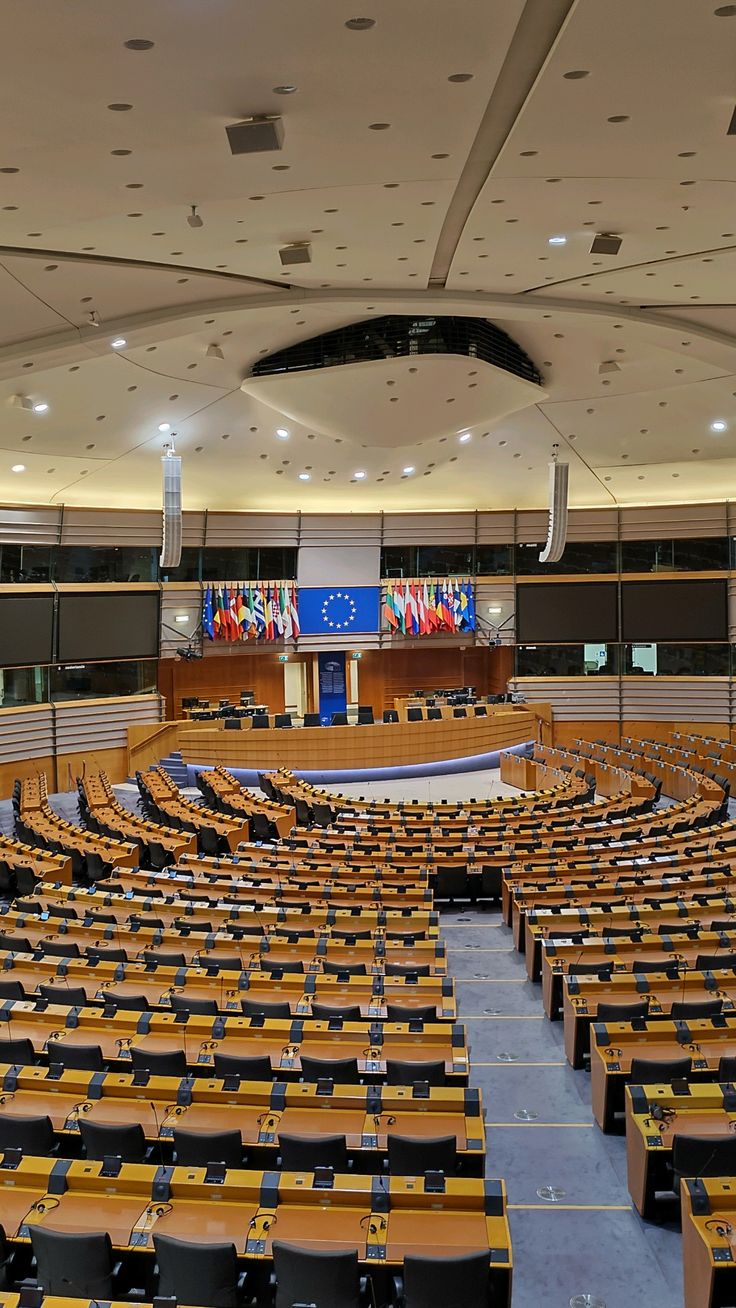
The European Parliament has adopted a new resolution on Serbia, calling for stronger democratic standards, greater protection of civil rights and more progress on reforms connected to the country’s European Union accession process.
The resolution was supported by a large majority of members of the European Parliament. It was prepared by Tonino Picula, the European Parliament’s rapporteur for Serbia, and focuses on political polarization, the rule of law, media freedom, protests and Serbia’s foreign policy direction.
Members of the European Parliament expressed concern about the political situation in Serbia and called on the authorities to ensure that citizens can freely express their opinions, gather peacefully and participate in public life without pressure or intimidation.
The resolution also refers to protests in Serbia, including the large demonstrations that followed the Novi Sad tragedy and wider public dissatisfaction with institutions. European lawmakers called for accountability, transparency and stronger trust in state institutions.
Another important part of the resolution concerns Serbia’s path toward the European Union. The European Parliament said that progress toward EU membership must depend on concrete reforms, especially in the areas of the judiciary, media freedom, anti corruption efforts and the protection of fundamental rights.
The document also mentions concerns about Serbia’s foreign policy alignment. European lawmakers have repeatedly urged Serbia to better coordinate its policy with the European Union, especially regarding sanctions against Russia and broader geopolitical questions.
At the same time, Serbian officials and government supporters have often rejected criticism from Brussels, arguing that Serbia is an independent country and that some European politicians do not fully understand the country’s internal situation. They have also accused certain members of the European Parliament of interfering in Serbia’s domestic politics.
The resolution is not legally binding, but it carries political weight. It sends a message about how many European lawmakers view Serbia’s current direction and could influence the broader debate on Serbia’s EU accession process.
For the Serbian diaspora, including citizens living in the United States, the resolution is important because it shows that Serbia remains under close European observation. The main question now is whether the government in Belgrade will treat the criticism as pressure from outside or as a signal that deeper reforms are needed for the country to move forward on its European path.