The fragile truce between the United States and Iran collapsed on Wednesday as American forces launched new strikes against Iranian military targets, prompting Tehran to retaliate with missile and drone attacks on US bases in Kuwait and Bahrain in the most dangerous escalation since the two nations signed a preliminary peace deal in June. The exchange, which came during the final days of Ayatollah Ali Khamenei’s state funeral, shattered hopes that the June 17 memorandum of understanding could be transformed into a permanent settlement, with President Donald Trump declaring the interim ceasefire “over” and warning that any further Iranian aggression would face a far more devastating response. Oil prices jumped as the Gulf region braced for a potential return to full scale war.
The immediate trigger was Iran’s assault on three cargo ships transiting the Strait of Hormuz on Tuesday, an attack the US described as a clear violation of the ceasefire agreement. US Central Command responded with strikes targeting more than 80 Iranian military sites, including air defense systems, coastal radar, drone storage facilities, and minelayer capabilities along Iran’s southern coast from Qeshm Island to Chabahar. Iranian state media reported that the attacks knocked out power in some areas, damaged a maritime traffic control tower in Chabahar, and killed a firefighter in a strike on the airport at Iranshahr. A US official said that Wednesday’s strikes would be greater in number than Tuesday’s, and Trump wrote on Truth Social that the action was “in retribution for yesterday’s bombing of ships by Iran,” adding, “If it happens again, it will get much worse!” The US also revoked a temporary license that had allowed Iran to sell oil on the global market, a major concession from the June deal that had briefly offered Tehran an economic lifeline.
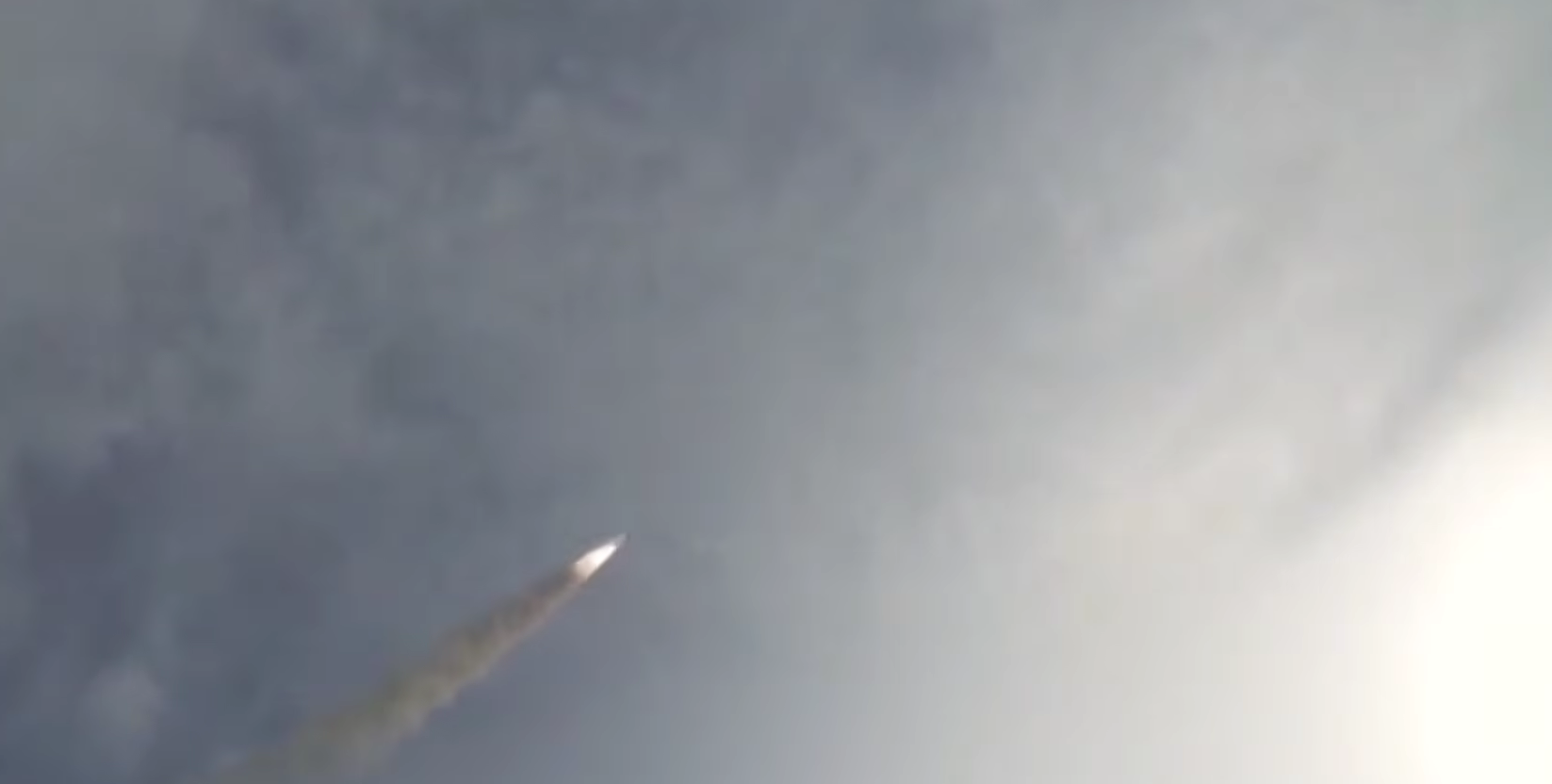
Iran’s response was swift and multifaceted. The Islamic Revolutionary Guard Corps launched a joint missile and drone operation against Ali Al Salem Air Base in Kuwait and the US Navy’s Fifth Fleet headquarters at Bandar Salman in Bahrain, while claiming to have shot down a US MQ-9 drone attempting to interfere. Kuwait’s military reported intercepting incoming projectiles, and Qatar briefly issued an “elevated security threat” alert before giving the all clear. Iran’s top negotiator, Parliament Speaker Mohammad Bagher Qalibaf, declared that “the era of bullying and extortion is over” and warned that “if you strike, you will be struck back,” insisting the Strait of Hormuz would reopen only under Iranian arrangements. Iranian officials accused the US of multiple ceasefire violations, including challenging Tehran’s authority over strait management and imposing renewed oil sanctions. In a letter to the UN Security Council, Iran’s mission accused Washington of “blatant violation of the Charter of the United Nations,” while a parliamentary spokesperson floated drastic retaliation options including withdrawing from the Nuclear Non Proliferation Treaty, changing Iran’s nuclear doctrine, and closing the Bab el Mandeb Strait at the mouth of the Red Sea.
The collapse of the ceasefire during Khamenei’s funeral rites adds a layer of religious and political symbolism to the military confrontation. The funeral processions, which had been expected to provide a window of lowered tensions, instead became a backdrop for renewed hostilities, with mourners repeatedly calling for the deaths of Trump and Israeli Prime Minister Benjamin Netanyahu. Trump, speaking before a NATO summit in Turkey, expressed doubt that any deal with Iran would “stick,” calling Iranians “very dishonorable people,” though he later said he did not expect a return to full war and predicted any further conflict would be “over very quickly.” NATO Secretary General Mark Rutte described the American strikes as “absolutely necessary,” arguing that Iran was “basically violating the ceasefire.” With negotiations to reach a permanent deal now on pause and both sides trading threats of escalation, the Middle East faces the prospect of a conflict that had appeared to be winding down instead reigniting with potentially catastrophic consequences for global energy markets and regional stability.