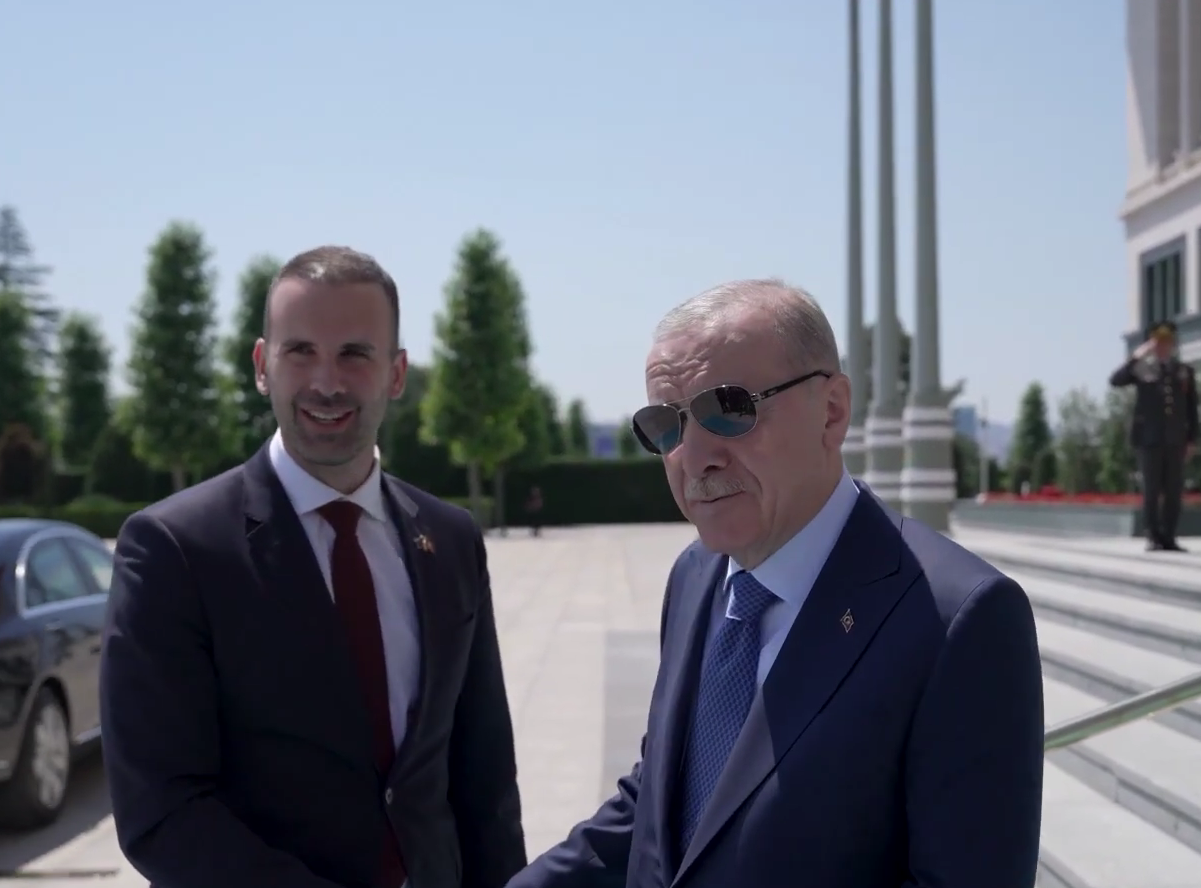
Montenegro and Turkey have agreed to establish a High Level Cooperation Council as the two NATO allies moved to deepen political, economic, and defense ties during a bilateral meeting on the sidelines of the 36th NATO Summit in Ankara. Prime Minister Milojko Spajić and Turkish President Recep Tayyip Erdoğan finalized the agreement during talks that also covered regional security, Montenegro’s European integration, and the intensification of cooperation across multiple sectors. The meeting underscored both countries’ efforts to strengthen their alliance within NATO while advancing bilateral interests independent of the broader transatlantic agenda.
The agreement to create the High Level Cooperation Council represents a significant institutional upgrade in Turkish-Montenegrin relations. Such councils have become a cornerstone of Turkey’s regional diplomacy, with similar mechanisms already in place with Greece, Egypt, and Malaysia. During the meeting, Erdoğan emphasized that Turkey views Montenegro as a “sincere friend and reliable ally,” pointing to high levels of Turkish investment as confirmation of trust in the country’s development potential. Spajić, in turn, thanked Erdoğan for the exceptional hosting of the NATO summit and extended an invitation for the Turkish president to visit Montenegro, which Erdoğan accepted. The talks also addressed defense cooperation, with both sides agreeing to more intensive communication between their respective ministries, and health sector collaboration. Minister of Defense Dragan Krapović accompanied Spajić during the discussions.
For Montenegro, the timing of the strengthened Turkish partnership is strategically significant. Spajić reaffirmed his belief that Montenegro will become the European Union’s 28th member by 2028, a goal that requires full alignment with the EU’s common foreign and security policy alongside continued reforms. The country has made substantial progress in its accession process, with EU ambassadors in Brussels approving the start of preparations for the accession agreement in April 2026. However, Montenegro’s path to membership has been marked by political turbulence, including the collapse of two previous governments through no-confidence votes before Spajić’s Europe Now movement secured a governing coalition in late 2023. The engagement with Turkey offers Podgorica an additional strategic partnership as it navigates the final stages of EU negotiations, while also signaling that Montenegro intends to maintain active, independent relationships with key regional powers even as it aligns with Brussels.
The broader context of the Ankara summit lent additional weight to the bilateral meeting. The summit, held July 7–8 at the Presidential Complex, was dominated by debates over NATO’s new 5% GDP defense spending target, the ongoing war in Iran, and the future of transatlantic burden sharing. While larger allies like Spain clashed with the United States over spending commitments, Montenegro and Turkey found common ground in their shared status as NATO members with distinct strategic interests. Turkey’s role as a critical bridge between Europe and the Middle East, combined with its control of the Bosporus and Dardanelles straits, makes it an indispensable ally for any country seeking to diversify its security partnerships. For Turkey, closer ties with Montenegro extend its influence in the Western Balkans at a time when the EU’s enlargement process faces growing uncertainty. The establishment of the High Level Cooperation Council suggests both nations see value in institutionalizing their relationship beyond the NATO framework, creating a platform for sustained cooperation regardless of shifts in the broader geopolitical landscape.