Serbia is set to take a significant step into advanced manufacturing after President Aleksandar Vučić announced that production of humanoid robots will officially begin later this month in the city of Šabac. The project, which will reportedly be led by the Chinese company Mint, is being presented as a milestone in Serbia’s industrial development and part of the country’s broader strategy to strengthen its high tech manufacturing sector.
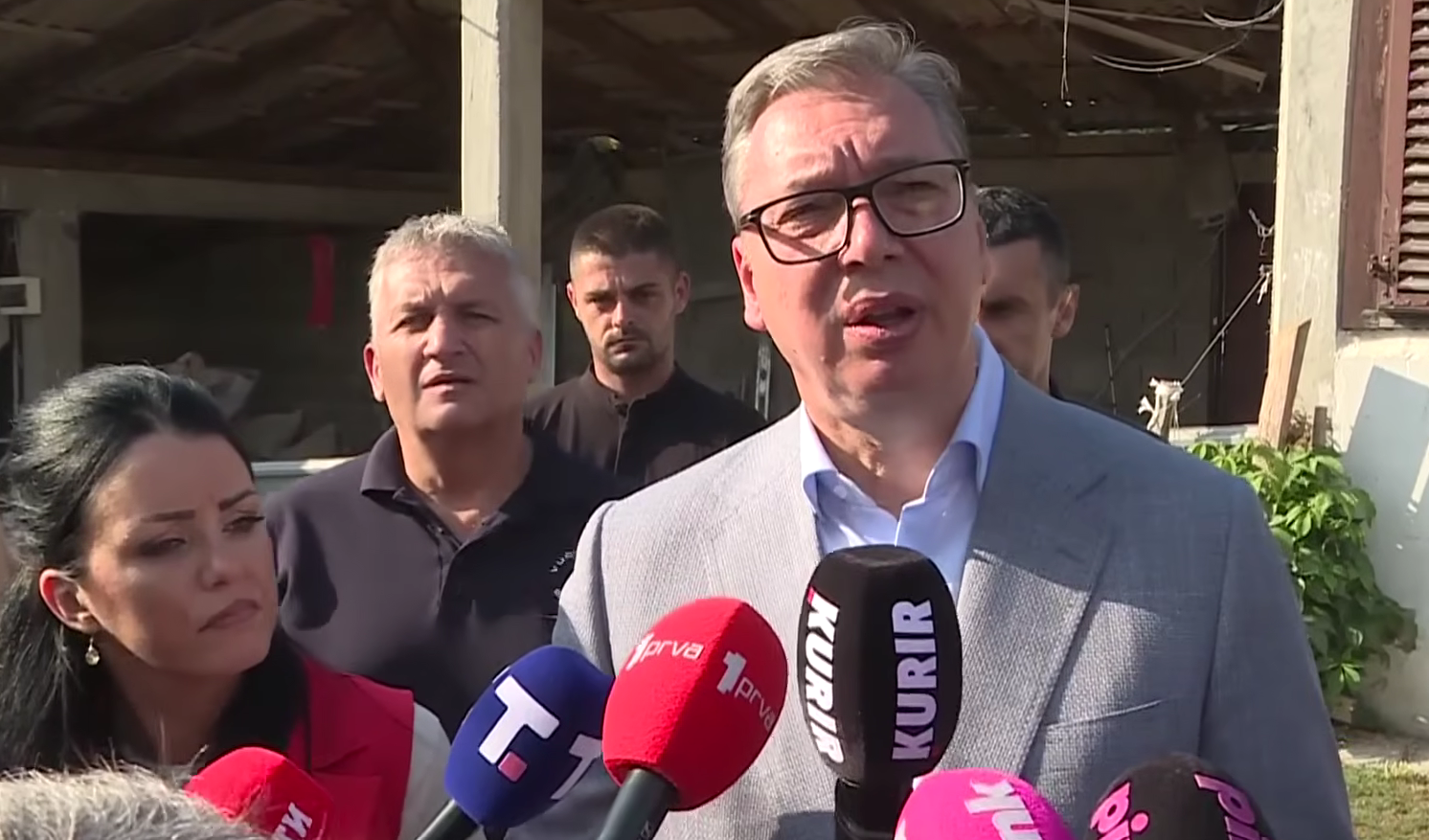
According to Vučić, production is expected to begin on either August 22 or August 29, after all agreements with the investor were finalized. Speaking during a visit to Jadranska Lešnica near Loznica, he described the upcoming factory as one of Serbia’s most ambitious industrial projects, stating that it would surpass a similar robotics facility he recently visited in China’s Zhejiang province. The investment reflects Serbia’s continued efforts to attract foreign manufacturers, particularly from Asia, while expanding into emerging technologies such as robotics and automation.
Alongside the robotics announcement, Vučić highlighted several infrastructure and economic projects aimed at supporting regional development. He noted that the stadium and expressway to Loznica have been completed, while additional road connections toward Mali Zvornik and the Šepak border crossing are planned to improve transport links with Bosnia and Herzegovina. He also acknowledged the importance of strengthening existing investments, including operations by automotive supplier Adient, emphasizing that continued industrial growth will require further support for businesses already operating in the country.
The Serbian president also pointed to the country’s economic outlook, citing projections from the International Monetary Fund (IMF), which forecast that Serbia could rank among Europe’s fastest growing economies over the next five years. Vučić argued that investments in infrastructure, manufacturing, and technology are helping diversify the economy beyond traditional industries and positioning Serbia as an increasingly attractive destination for foreign direct investment.
If the humanoid robot project moves forward as planned, it could represent one of Serbia’s most notable entries into the field of advanced robotics and smart manufacturing. While the long term success of the initiative will depend on production capacity, technological development, and market demand, the announcement signals Serbia’s ambition to become a larger player in Europe’s growing technology and industrial sectors.