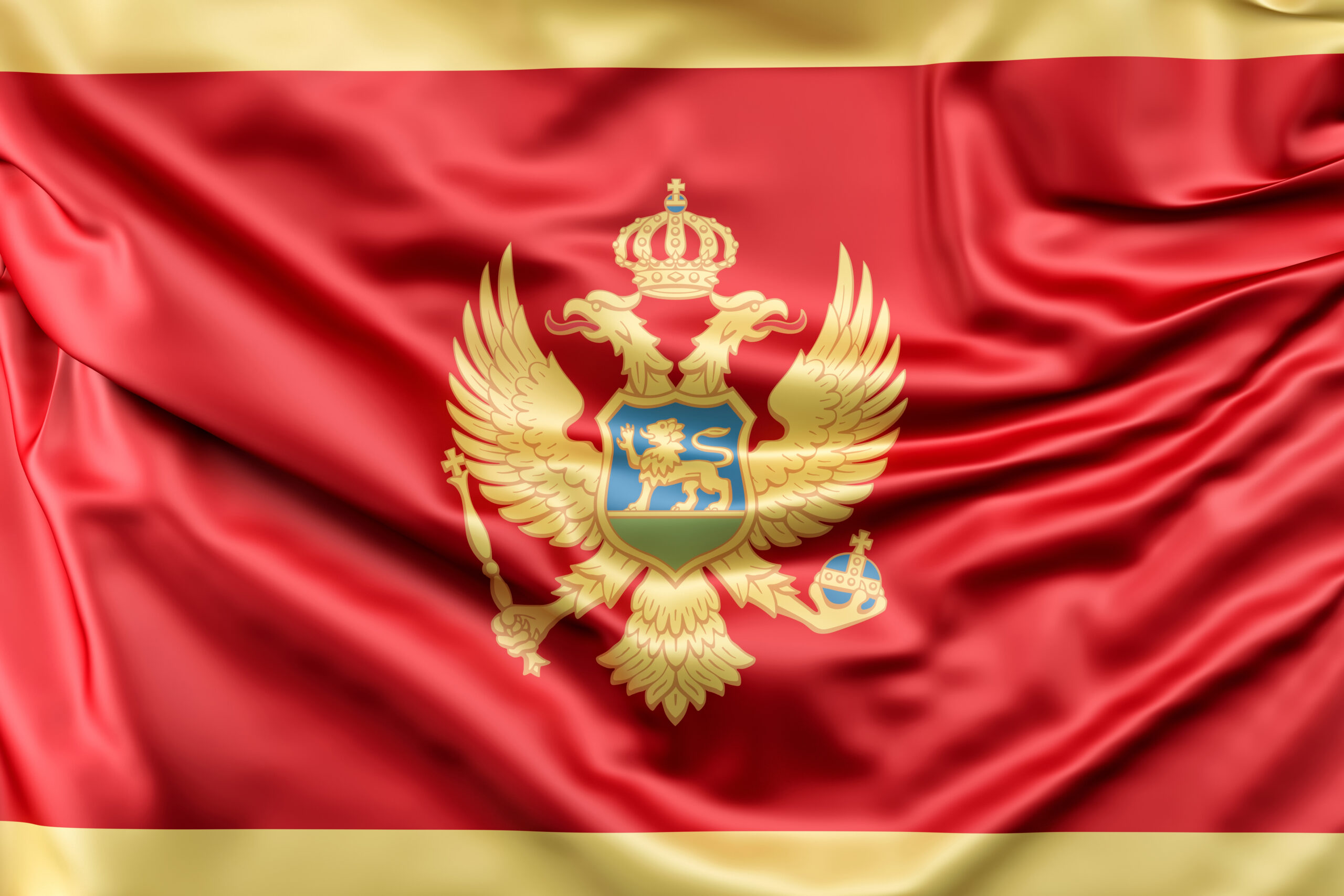
Montenegro celebrates its Statehood Day on July 13, commemorating two pivotal moments in the nation’s history: the 1878 recognition of Montenegro as an independent state at the Congress of Berlin, and the 1941 uprising against fascist occupation that made it one of the first nations in occupied Europe to resist Nazi and Italian forces. The date, which holds deep symbolic significance for a country that regained full independence from Serbia in 2006, prompted a wave of congratulatory messages from political parties, civic organizations, and government institutions, each offering its own interpretation of what Montenegrin statehood means in the present day. The US State Department joined the commemorations, extending “warm congratulations to the people of Montenegro” on behalf of the United States.
The historical weight of July 13 is undeniable. At the Berlin Congress, chaired by German Chancellor Otto von Bismarck, Montenegro was formally recognized as the 27th independent state in the world, ending centuries of Ottoman suzerainty and establishing the small Balkan principality as a sovereign actor on the European stage. Sixty three years later, on the same date, the Communist Party of Yugoslavia organized an armed uprising against Italian occupation forces, mobilizing 6,000 members into guerrilla detachments. Within a week, 32,000 men and women had joined the fight, and much of Montenegro was liberated before Italian counter offensives regained control. These twin pillars, international recognition of statehood and anti fascist resistance, have become the foundation of modern Montenegrin national identity, though different political actors emphasize different aspects.
The 2026 commemorations revealed the deep ideological fissures that continue to shape Montenegrin politics. The Boka Forum, a civic organization, issued a strongly worded statement linking historical anti fascism to contemporary threats, warning that “fascism has not remained trapped in the past” and appears today through “hate speech, denial of crimes, historical revisionism, and attempts to divide society.” The Socialist People’s Party (SNP), a traditional pro Serb party, struck a similar tone, declaring that “anti fascism is not just a historical lesson, but is alive, urban and modern in every free thinking citizen.” By contrast, the Democratic People’s Party (DNP), another pro Serb formation, used the occasion to attack the post 2006 state, claiming that “the private state of Milo Đukanović was created” in 2006 and that the “ideological basis of such a private state was Serbophobia.” The People’s Trust Movement, led by Dragoslav Šćekić, focused on identity politics, arguing that “the path to Europe must not mean renouncing oneself” and demanding recognition of the Serbian language, the tricolor flag, and dual citizenship. The Bosniak Council offered a multicultural perspective, emphasizing that July 13 “reminds us all of the timeless values of anti fascism and freedom, but also of the importance of preserving a multiethnic society as our greatest asset.”
These divergent messages reflect Montenegro’s ongoing struggle to reconcile its complex heritage with its European future. The country joined NATO in 2017 and is actively pursuing EU membership, with Prime Minister Milojko Spajić recently expressing confidence that Montenegro will become the bloc’s 28th member by 2028. Yet the path forward is complicated by internal divisions over language, symbols, and historical narratives that the Statehood Day messages laid bare. For some, July 13 is a celebration of anti fascist values and civic statehood, for others, it is a reminder of what they see as the illegitimacy of the 2006 independence referendum. What unites these competing visions is the shared claim to the legacy of 1878 and 1941, a legacy that, 148 years after the Berlin Congress and 85 years after the uprising, remains as contested and consequential as ever for one of Europe’s youngest and most historically layered nations.