A referendum aimed at overturning Ljubljana’s controversial parking reform failed on July 12 due to insufficient turnout, but organizers declared the result a political rebuke to long-serving Mayor Zoran Janković and vowed to use the campaign as a springboard for broader opposition ahead of autumn local elections. Nearly 94% of those who cast ballots voted against the new parking regime, yet turnout reached only 18.9% before postal votes were added, below the legal threshold requiring more than 20% of all eligible voters to reject a measure for it to be invalidated. The civic initiative behind the referendum portrayed the lopsided margin among participants as proof of deep public dissatisfaction with Janković’s governance, even as the mayor dismissed the vote as irrelevant because the city council had already rescinded the ordinance.
The parking dispute began in March when the city council adopted a traffic management ordinance that would have expanded paid parking into residential neighborhoods where parking has traditionally been largely free. The proposal triggered protests in the first affected district, Štepanjsko naselje, and ultimately a referendum after Janković insisted the new system would proceed despite vocal public opposition. In a contentious June session, the city council revoked the ordinance before it entered into force, arguing the referendum had become moot. Several legal experts and the referendum organizers disputed the move, saying the ordinance could not legally be withdrawn once the referendum process had begun. Janković refused to participate in the campaign, arguing voters were being asked to decide on legislation that no longer existed, a position that organizers say only fueled public anger.
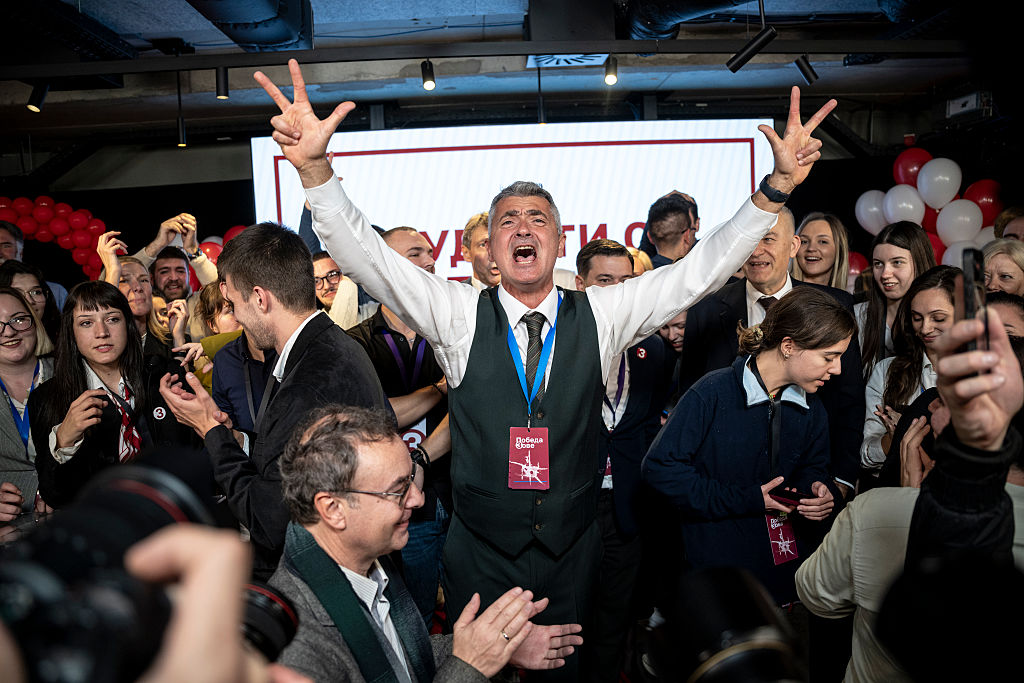
Despite the procedural failure, the organizers are framing the outcome as the beginning of a broader civic movement. Klemen Fajs, who heads the Civil Initiative for Ljubljana (CILJ), said thousands of residents had shown they disagreed with Janković’s leadership and argued turnout would likely have been higher had the vote not been held at the height of the summer holiday season. “The referendum was never our only objective. It was the beginning of Ljubljana’s awakening, a conversation about how our city is governed,” Fajs said, adding that the group would demand direct resident input on major projects including the C0 sewer project, a planned parking garage, and a waste incinerator. Pirate Party leader Jasmin Feratović, who backed the campaign, said voters had sent city authorities “a clear message that they’ve had it with their arrogance and disdain for the residents.” The civic groups have also announced they will ask the Constitutional Court to rule on whether the city council’s preemptive revocation was constitutional.
The confrontation represents the most significant political challenge to Janković in years as he seeks another term in office. The mayor, who has dominated Ljubljana politics for over a decade, has faced mounting criticism over what residents describe as increasingly unilateral decision making and a city becoming “more expensive, less welcoming and increasingly run without their participation.” Fajs described the referendum as a “yellow card” for the mayor and warned that “in the autumn we can also show a red one,” signaling that the civic initiative intends to shift from single issue protest to a comprehensive electoral challenge. Whether this grassroots energy can translate into viable political opposition remains uncertain, but the parking dispute has clearly cracked the facade of Janković’s invincibility and opened a space for debate about democratic participation in a city long accustomed to one man rule.