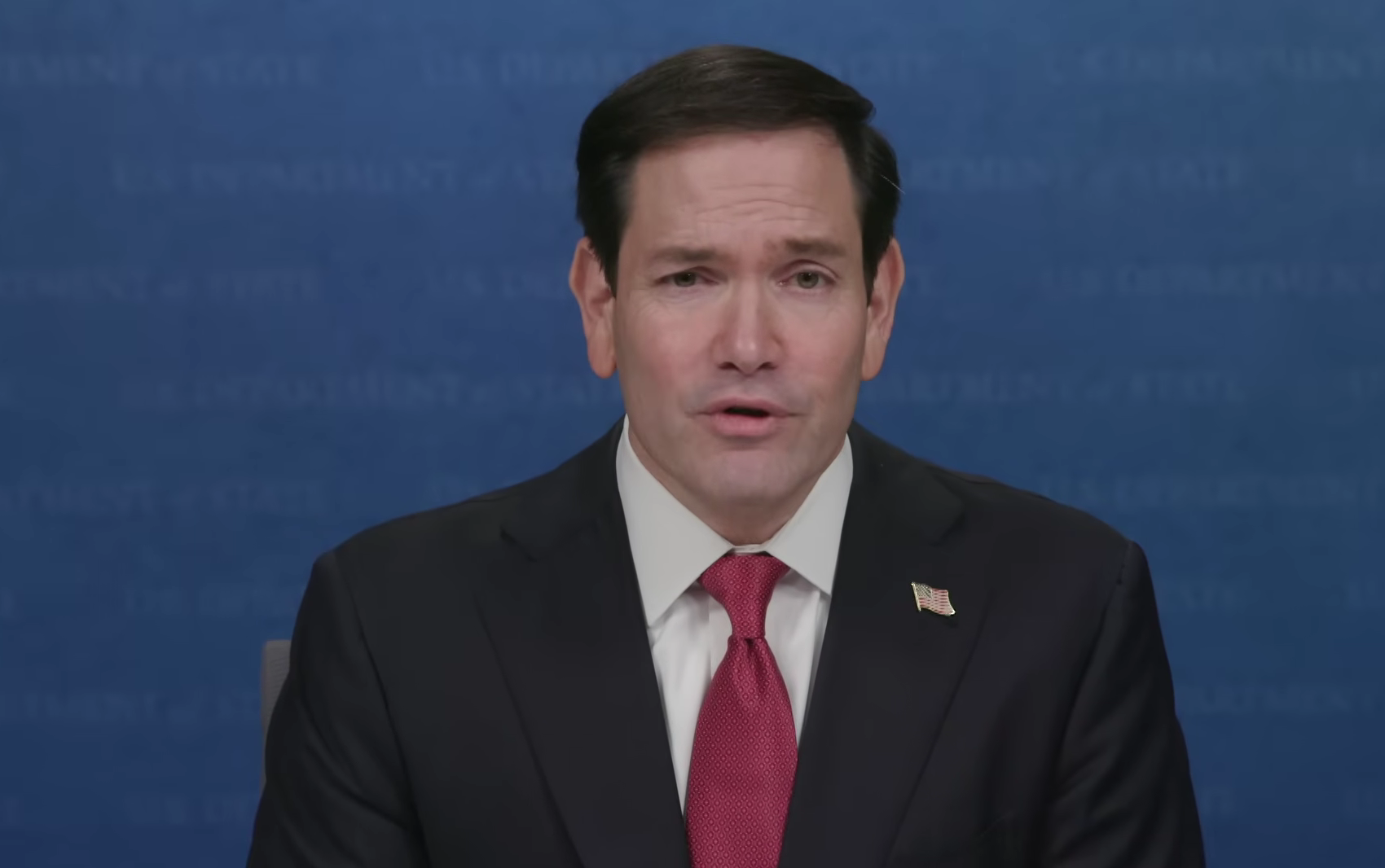
US Secretary of State Marco Rubio extended warm congratulations to the people of Montenegro on July 13, 2026, commending the country’s reaffirmed commitment to NATO as a trusted ally and partner in strengthening regional stability across the Western Balkans. In an official statement published by the State Department, Rubio emphasized that the United States and Montenegro share “a deep and enduring bond grounded in peace, mutual prosperity, and collective security,” and pledged continued efforts to strengthen the partnership in the years ahead. The message arrived as Montenegro celebrated Statehood Day, commemorating both the 1878 recognition of its independence at the Congress of Berlin and the 1941 uprising against fascist occupation.
The US endorsement carries particular weight given Montenegro’s strategic position in the Western Balkans. The small Adriatic nation became NATO’s 29th member on June 5, 2017, following a tumultuous accession process that included a Russian backed coup attempt in October 2016 aimed at derailing its Western orientation. Since joining, Montenegro has consistently demonstrated its value to the alliance, currently spending more than 2% of GDP on defense, a threshold many older members still fail to meet, and deploying troops to NATO’s Forward Land Forces in Latvia and Bulgaria, as well as contributing to KFOR in Kosovo. During a May 2026 visit to Podgorica, NATO Secretary General Mark Rutte praised Montenegro as “an exporter of security” and highlighted that Greek and Italian aircraft continue to protect its airspace, underscoring the tangible benefits of membership for a country of just 620,000 people.
The timing of Rubio’s message is significant amid broader questions about US commitment to the region. Montenegro’s path to NATO was nearly blocked during Donald Trump’s first term, when the then presidential candidate questioned whether the US would defend the small nation under Article 5, and when Senate ratification of the accession protocol faced unusual delays. The 2016 coup attempt, which allegedly involved Russian intelligence officers and local proxies plotting to assassinate then Prime Minister Milo Đukanović on election day, underscored the high stakes of Montenegro’s Western pivot. Russia had vigorously opposed Montenegro’s NATO bid, with officials warning it would become “a legitimate target of Russian missiles” and attempting to foment opposition through financed propaganda campaigns. The successful accession was hailed by US officials as a “powerful rebuke to Russia’s malign influence” and proof that no third country holds veto power over NATO enlargement.
For Montenegro, the US affirmation reinforces its position at a critical juncture. Prime Minister Milojko Spajić has set an ambitious goal of EU membership by 2028, and the country is navigating complex internal debates over identity, language, and historical narratives that were evident in the competing Statehood Day messages from various political factions. The US has provided over $450 million in assistance since 1998 and maintains strong bilateral economic ties, with American companies increasingly active in the Montenegrin market. As the Western Balkans face renewed geopolitical competition and internal tensions, Rubio’s statement serves as both a reassurance of American support and a reminder that Montenegro’s NATO membership, hard won against Russian opposition, remains a cornerstone of regional security and a model for other aspirants in the region.