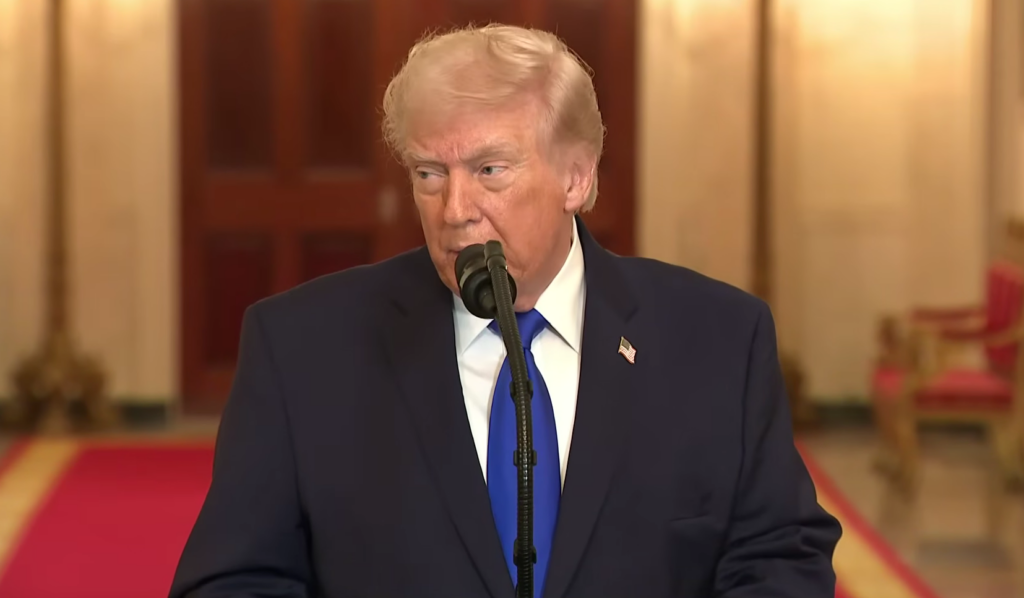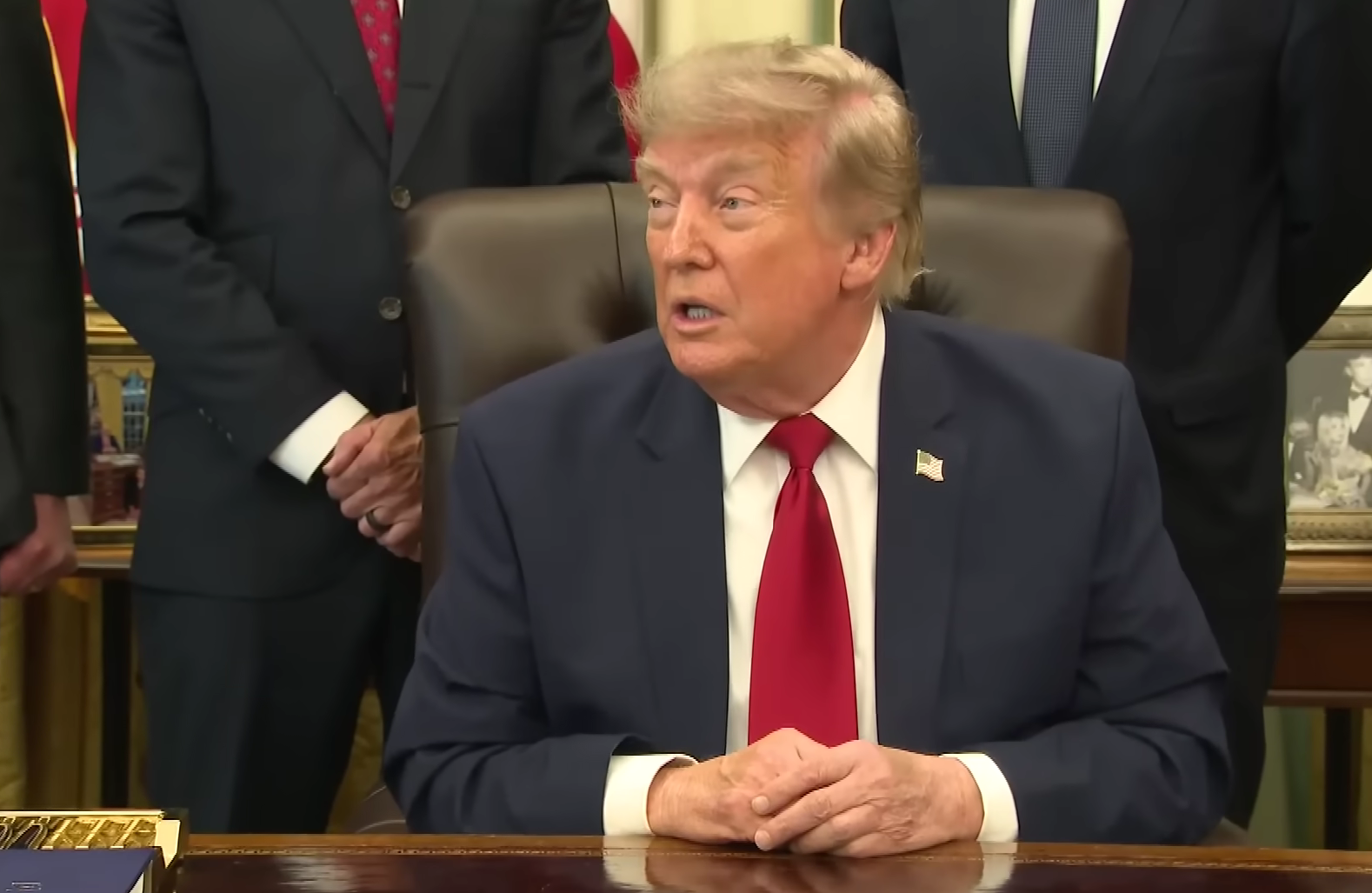
President Donald Trump has sent Congress formal notification that hostilities against Iran resumed on July 7, a move his administration interprets as opening a fresh 60 day window to conduct military operations without congressional approval under the War Powers Resolution. In a letter dated July 10, Trump stated he directed military action “consistent with my responsibility to protect Americans and United States’ national security and foreign policy interests,” citing Iran’s alleged violation of the June 17 memorandum of understanding by attacking commercial vessels in the Strait of Hormuz. The notification comes after both chambers of Congress passed a resolution last month directing Trump to withdraw US forces from hostilities, and as bipartisan concern mounts over a conflict that has now stretched far beyond the president’s initial prediction of four to six weeks.
The legal maneuver centers on the 1973 War Powers Resolution, which requires the president to inform Congress within 48 hours of initiating hostilities and mandates that military action without congressional approval terminate within 60 days. Trump initially triggered the clock on February 28 when the US and Israel launched Operation Epic Fury against Iran, but he argued the deadline did not apply after declaring a ceasefire on April 7, even as attacks continued and US forces maintained a blockade on Iranian ports. In his May 1 letter to Congress, Trump claimed “the hostilities that began on February 28, 2026, have terminated” because there had been “no exchange of fire” since the ceasefire began, a legal argument that Democrats and some Republicans dismissed as a misinterpretation designed to circumvent constitutional constraints. Defense Secretary Pete Hegseth testified that the ceasefire “means the 60 day clock pauses, or stops,” but legal scholars noted that the War Powers Resolution does not recognize such pauses and that the administration’s position pushed the “intermittent hostilities” theory to unprecedented extremes.
Congress has pushed back with increasing urgency. In June, the House voted to direct Trump to withdraw US forces or seek authorization, with four Republicans crossing the aisle to join Democrats. The Senate followed with a 50-48 vote, as Senators Susan Collins, Bill Cassidy, Rand Paul, and Lisa Murkowski broke with their party to support the measure. The resolution is not legally binding and will not reach Trump’s desk, but it reflected growing alarm even within Republican ranks. Trump lashed out on Truth Social, accusing the dissenting Republicans of providing “comfort” to Iran and making his job “more difficult.” A senior House Democratic aide responded that “the president can’t just wish away months of war he said would last only four to six weeks.” The constitutional tension is acute, Article I gives Congress alone the power to declare war, but presidents of both parties have long claimed authority to order short term military engagements without legislative approval.
The political and strategic implications of Trump’s latest notification are significant. By formally declaring hostilities resumed on July 7, the administration effectively resets the War Powers clock, buying another 60 days of operational freedom while negotiations for a permanent settlement remain stalled. Trump has simultaneously escalated military action, ordering strikes on more than 300 Iranian targets over three nights, reinstating the naval blockade, and proposing that the US become a paid “guardian” of the Strait of Hormuz. Iran has responded by closing the strait, attacking US bases across the Gulf, and threatening to withdraw from the Nuclear Non Proliferation Treaty. With the June memorandum of understanding in tatters, oil prices surging, and regional allies from Qatar to Oman coming under fire, the conflict shows no signs of abating. Whether Congress can or will assert its constitutional authority to check the president remains an open question, one that will define not only the trajectory of the Iran war but the balance of power between the executive and legislative branches for years to come.