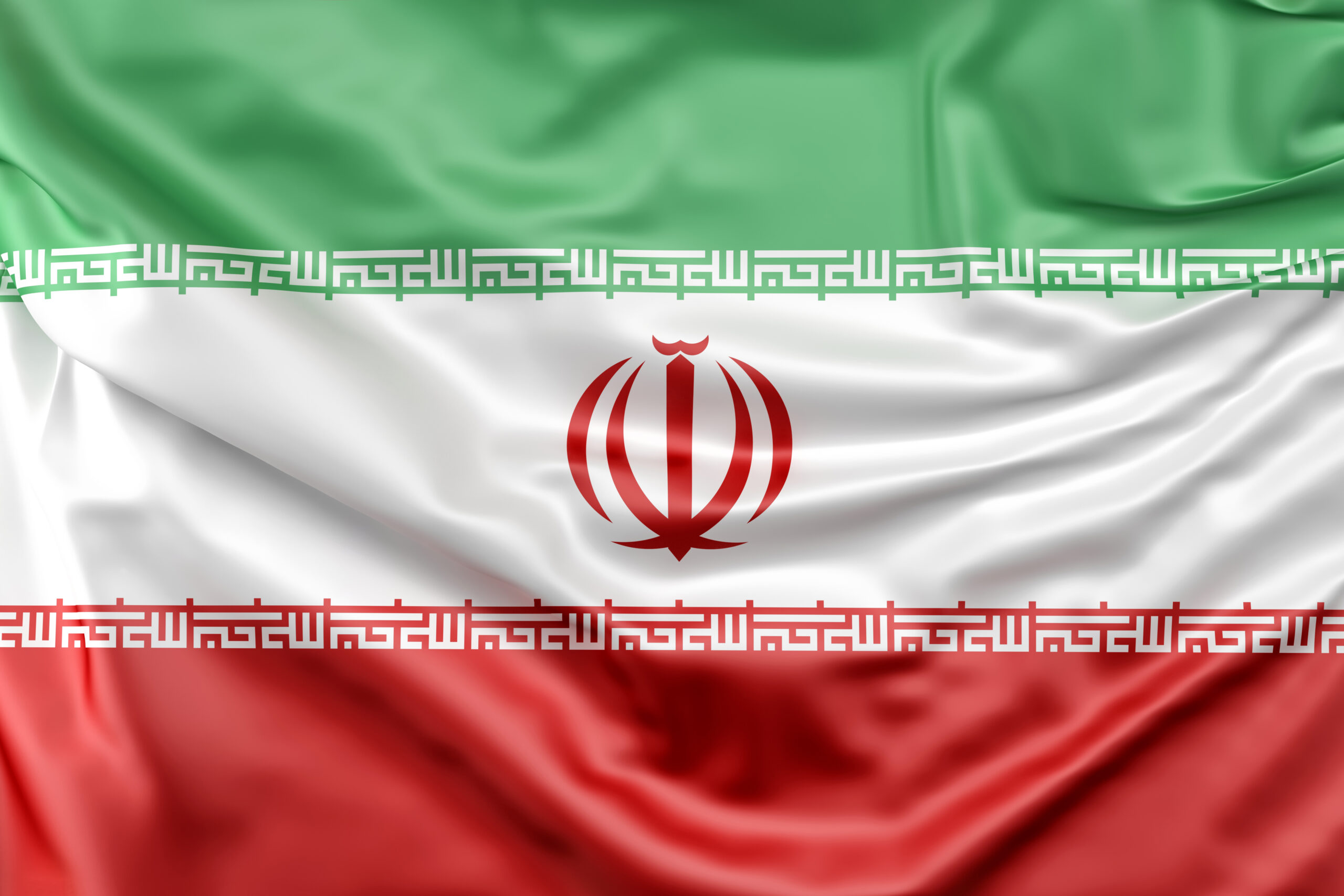
Iran has warned it could expand disruptions to global shipping by targeting additional strategic maritime routes, raising fresh concerns over international trade and energy security. The warning comes after Tehran maintained its closure of the Strait of Hormuz while the United States intensified military operations against Iranian targets, marking another sharp escalation in an already volatile regional conflict.
According to statements from Iran’s Islamic Revolutionary Guard Corps (IRGC), Tehran warned that “all export corridors benefiting the United States and its allies” could become targets if the conflict continues. Security analysts believe the warning could include the Bab el Mandeb Strait, one of the world’s most important shipping passages connecting the Red Sea with the Gulf of Aden. The route is essential for transporting Middle Eastern oil and global commercial goods, and any disruption could have significant consequences for international supply chains and energy markets.
The latest escalation follows renewed U.S. airstrikes against military targets near the Strait of Hormuz, which Washington says were aimed at protecting commercial shipping after several recent attacks on merchant vessels. Iran, meanwhile, reported casualties from the strikes and responded by claiming attacks against U.S. linked military facilities across the region. The exchange of military actions has further weakened hopes that a temporary ceasefire and ongoing diplomatic contacts could prevent a wider regional conflict.
The security situation has also affected global shipping traffic. Vessel movements through the Strait of Hormuz remain well below normal levels, while oil prices have climbed as traders react to growing fears of prolonged supply disruptions. Before the conflict escalated, roughly 20% of the world’s oil and liquefied natural gas exports passed through the Strait of Hormuz, making it one of the most strategically important maritime chokepoints in global trade. Any further instability involving Hormuz or the Bab el Mandeb Strait could place additional pressure on fuel prices and the global economy.
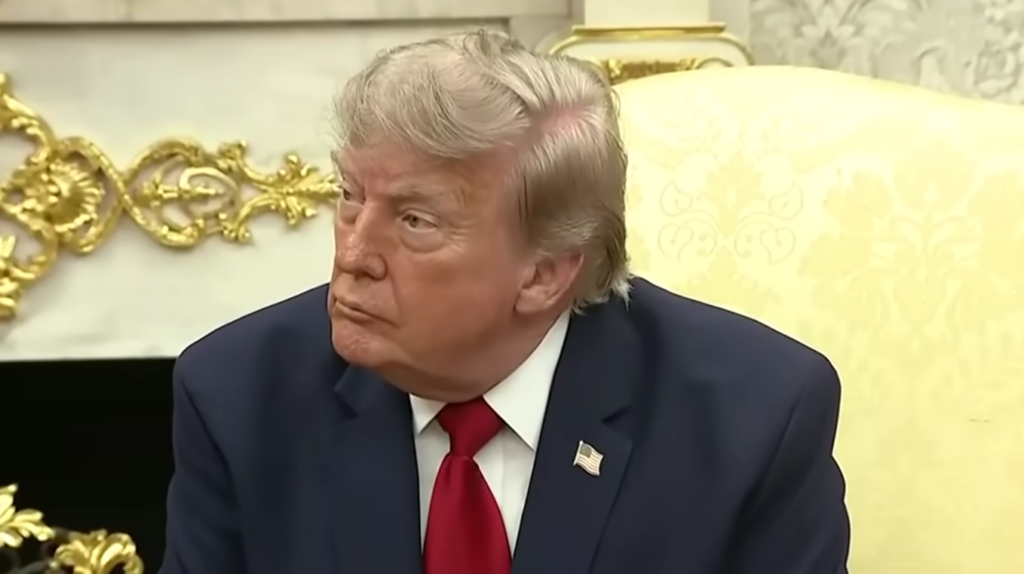
Despite continued diplomatic efforts, both Washington and Tehran have exchanged new warnings in recent days. U.S. President Donald Trump has threatened further military action if negotiations fail to resume, while Iranian officials insist the Strait of Hormuz will remain closed until what they describe as an end to U.S. aggression. With military operations continuing and tensions showing little sign of easing, international observers remain concerned that the conflict could expand beyond the Persian Gulf, increasing risks for global trade, energy markets, and regional stability.