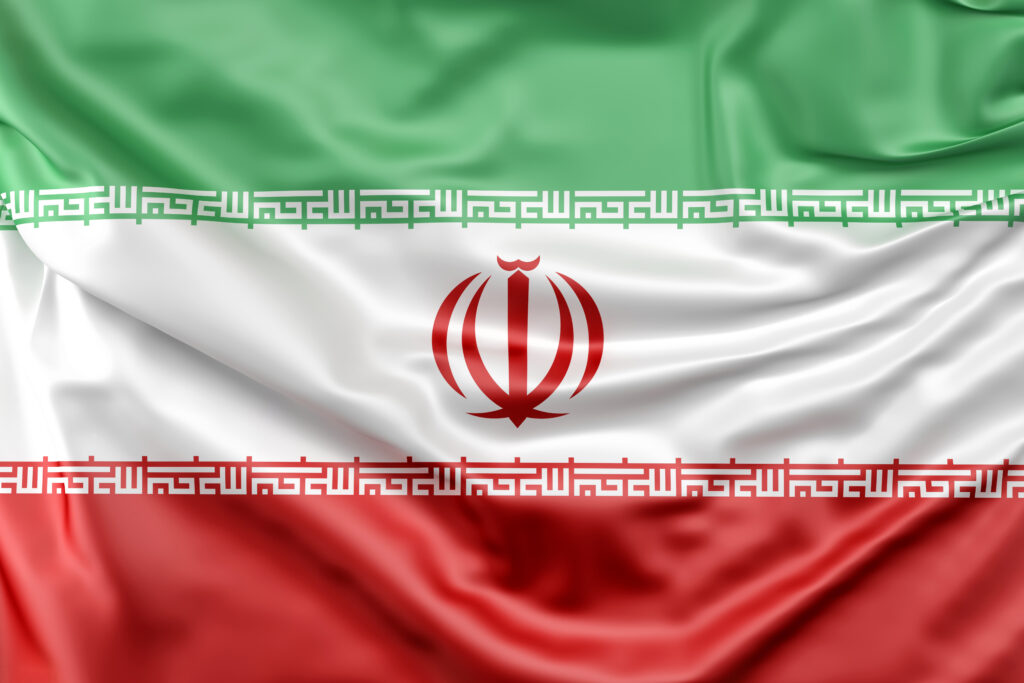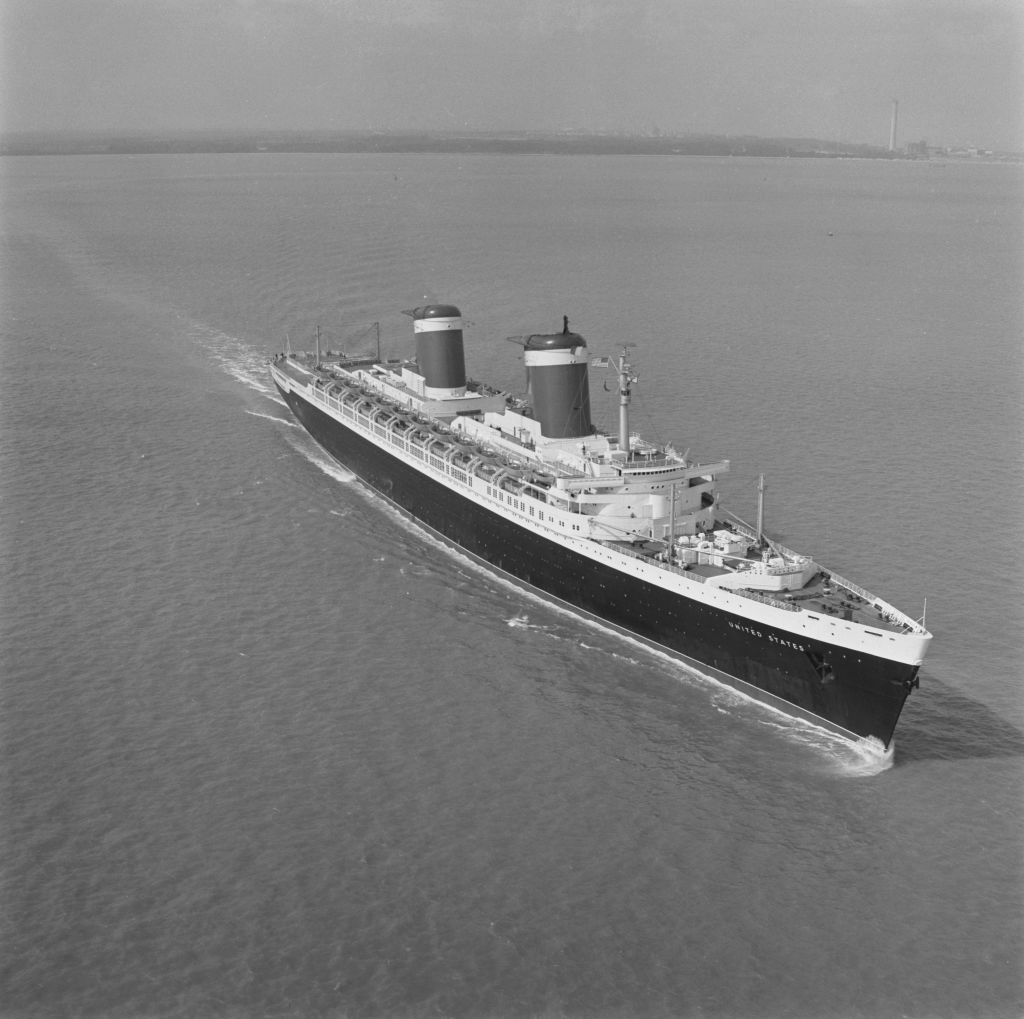
President Donald Trump has significantly escalated pressure on Iran by reimposing a U.S. naval blockade on Iranian ports and warning that additional military strikes could target the country’s energy infrastructure if Tehran refuses to return to negotiations. The move comes as renewed fighting between the United States and Iran threatens regional stability and raises concerns over the security of one of the world’s most important energy corridors.
The United States also confirmed a new wave of military operations aimed at degrading Iranian capabilities near the Strait of Hormuz, following a series of attacks on commercial shipping. Iran responded by announcing that the strategic waterway remains closed to its adversaries and launched retaliatory attacks against what it described as U.S. military positions and facilities in several Gulf countries. While some of these claims remain independently unverified, the exchange highlights the rapidly deteriorating security situation across the region.
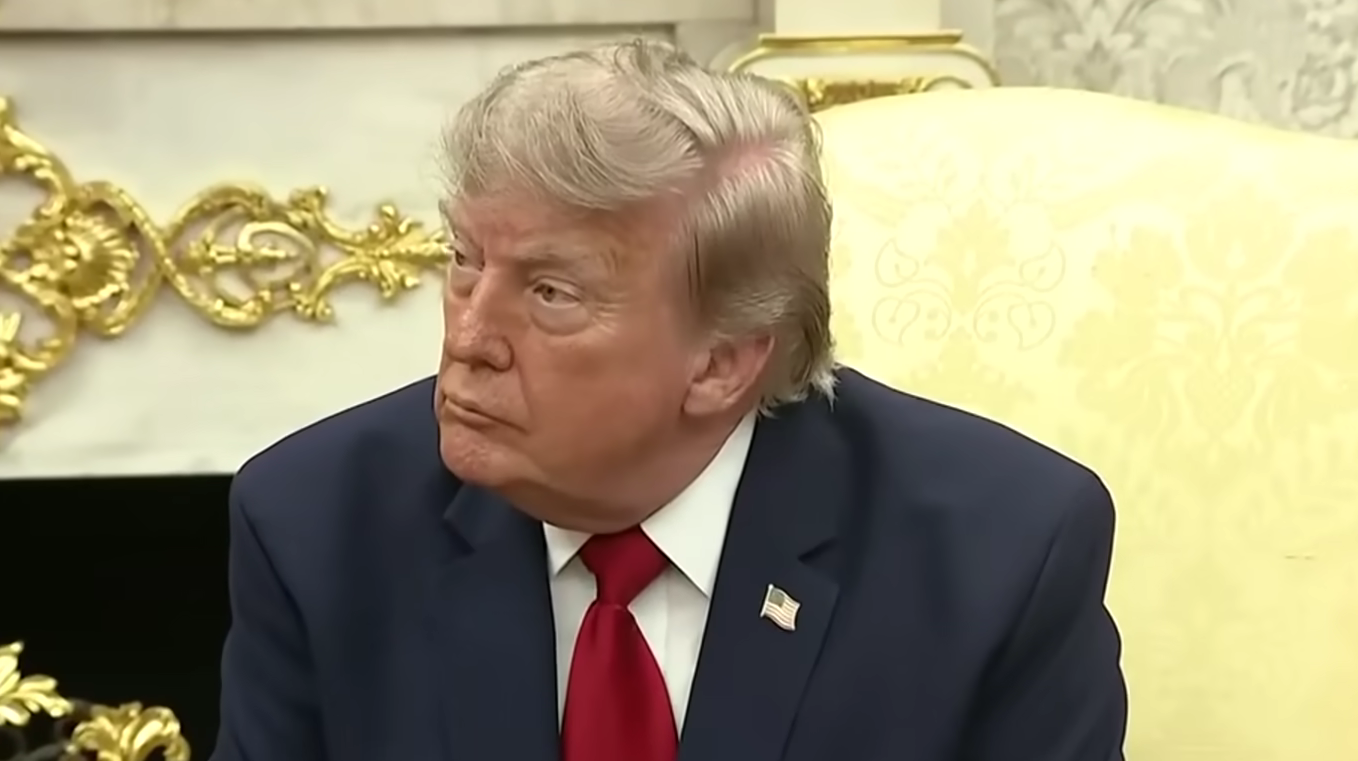
Speaking in an interview, Trump warned that Iran’s power plants, bridges, and additional strategic infrastructure could become future military targets if diplomatic negotiations do not resume. Iranian officials rejected the ultimatum, insisting that increased military pressure and economic sanctions would not force Tehran back to the negotiating table. The renewed confrontation has further weakened hopes that the temporary understanding reached earlier this year could develop into a lasting ceasefire.
The conflict continues to have global economic consequences. Before hostilities escalated, nearly 20% of the world’s oil and liquefied natural gas exports passed through the Strait of Hormuz each day, making it one of the most critical shipping routes worldwide. Recent attacks on commercial vessels, combined with the renewed naval blockade and reduced shipping traffic, have pushed Brent crude prices to around $85 per barrel, their highest level in weeks. Analysts warn that any prolonged disruption could place additional pressure on fuel prices, inflation, and global supply chains.
As military operations continue and diplomatic efforts remain stalled, international concern is growing over the possibility of a broader regional conflict. Governments and financial markets are closely monitoring developments, with many warning that further escalation could have lasting consequences not only for the Middle East but also for global energy security, international trade, and the world economy.