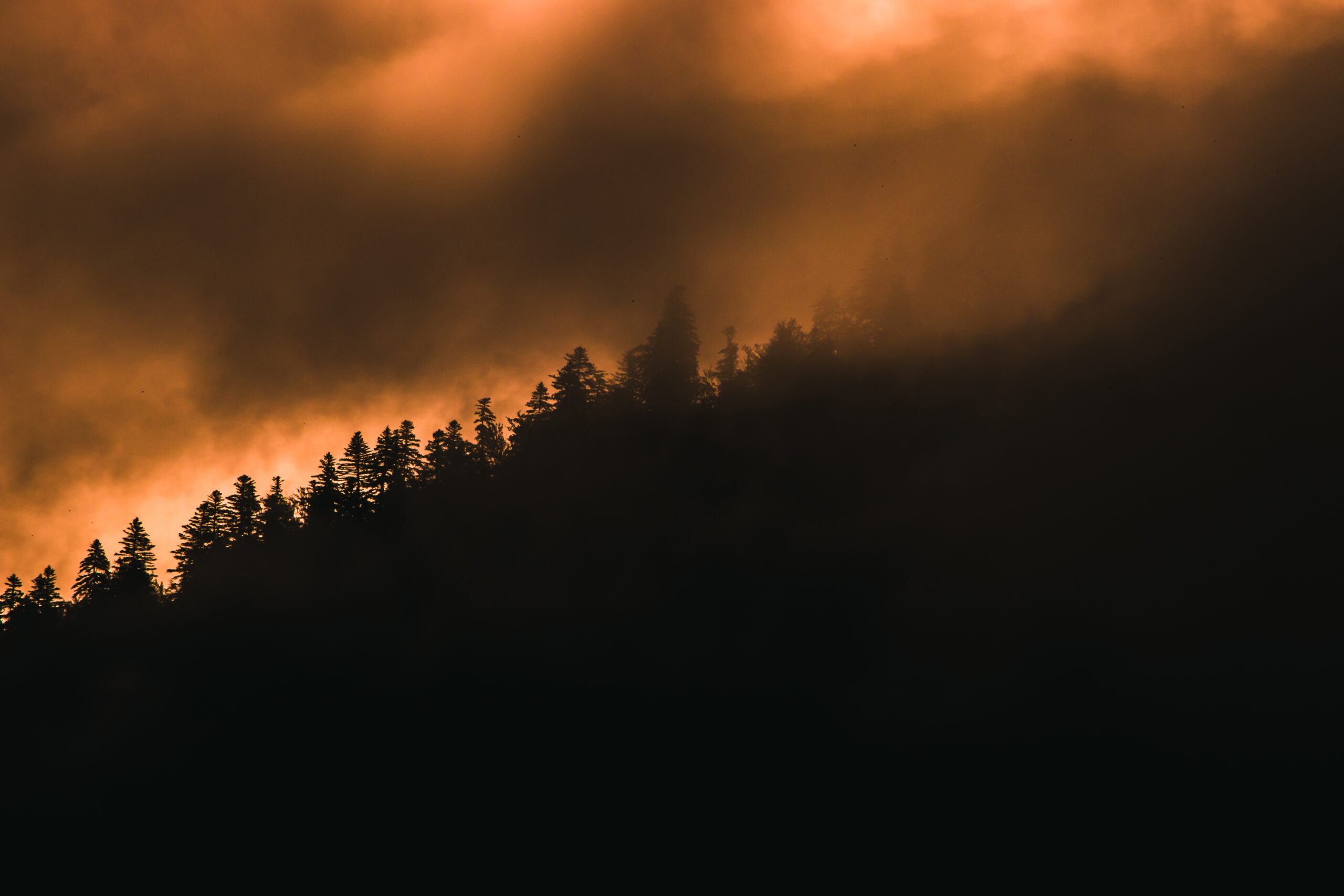
Croatia’s top fire official has issued a stark warning that the nation is confronting one of its most destructive fire seasons in recent memory, with both the frequency and scale of blazes surging dramatically compared to the previous year. Addressing a parliamentary committee on Tuesday, chief fire commander Slavko Tucakovic revealed that wildfire incidents have climbed by approximately 22% year on year, while the total area consumed by flames has skyrocketed by nearly 80% over the same period. The alarming figures underscore a deepening crisis along the country’s Adriatic coastline, where prolonged heatwaves, parched vegetation, and fierce winds have created a perfect storm of conditions for rapid fire propagation. The situation reached a critical point last week when a major inferno erupted on the island of Korčula in southern Dalmatia, scorching roughly 900 hectares of land and forcing emergency crews into a prolonged battle against walls of flame fueled by extreme temperatures and tinder dry undergrowth.
What distinguishes this season from previous years, according to Tucakovic, is the emergence of so called dry thunderstorms, electrical storms that generate lightning strikes without delivering any rainfall to the ground. These phenomena occur when moisture accumulates in the upper atmosphere but evaporates before reaching the surface due to extremely dry air at lower altitudes, a process known as virga. The resulting lightning bolts strike desiccated vegetation in remote, hard to reach terrain, igniting fires that often go undetected until they have grown uncontrollable. Tucakovic stressed that this represents a significant tactical challenge for Croatia’s firefighting infrastructure, noting that these storms consistently target inaccessible zones where response teams struggle to establish a foothold. The commander emphasized that expanding the network of roads and access routes into these rugged areas has become an urgent priority, as without improved ingress, crews cannot reach ignition points quickly enough to prevent small blazes from escalating into catastrophic events. The vulnerability of Croatia’s coastal forests, particularly in the karst regions dominated by Aleppo pine, a species renowned for its extreme flammability, only amplifies the danger when dry lightning strikes these already stressed ecosystems.
In response to the escalating threat, Croatian authorities have begun shifting firefighting resources from the mainland to coastal hotspots, concentrating personnel where the risk is most acute. Tucakovic also announced plans to recruit approximately 1,000 seasonal firefighters to bolster stretched crews through the remainder of the season, which typically extends from mid June through September. The mobilization evokes painful memories of the 2007 summer, when heatwaves across southern and central Europe triggered deadly fire outbreaks throughout the region, including a tragedy in Croatia where twelve firefighters were encircled by flames and killed. That disaster remains one of the darkest chapters in the nation’s civil protection history and serves as a sobering reminder of the lethal stakes involved. The current crisis is unfolding against a backdrop of long term environmental shifts that have progressively transformed the Croatian landscape into a more fire prone environment. Research indicates that land abandonment and the decline of traditional agriculture over the past two centuries have allowed highly flammable scrubland and maquis vegetation to colonize former pastures, dramatically increasing fuel loads across the Dinaric Karst. Meanwhile, climate assessments show that the southern Adriatic has experienced a clear lengthening of dry spells and an extension of the fire season by up to 150 days in some coastal areas, with meteorological conditions becoming increasingly favorable for ignition and rapid spread.
As Croatia navigates the peak of its summer fire season, the confluence of immediate weather extremes and underlying ecological vulnerability suggests that the worst may not yet be over. The shift toward dry thunderstorms as a primary ignition source introduces an unpredictable variable that existing response protocols were not designed to handle, demanding not just more boots on the ground but fundamental adaptations in detection and access strategies. With the Adriatic islands and middle Dalmatian coast identified as the most endangered zones, the decision to surge mainland resources westward and expand the seasonal firefighting corps reflects a recognition that conventional approaches may no longer suffice. Whether these measures will prove adequate depends on whether the weather cooperates and whether the new infrastructure investments can be delivered in time to open up the remote terrain where these silent electrical storms are doing their deadliest work.