President Donald Trump has ordered federal immigration agents to resume pulling over vehicles as an enforcement tactic, directly contradicting his own border czar and homeland security secretary who had suspended the practice just one day earlier. The reversal came after two deadly roadside encounters, a Colombian driver killed in Biddeford, Maine, on Monday, and a Mexican national shot dead in Houston on July 7. In both cases, the men were not the intended targets of the enforcement operations, and federal authorities have presented no evidence that either posed an imminent threat justifying lethal force. The back to back killings triggered protests across New England and Texas, and thrust the debate over ICE tactics into a pivotal Senate race in Maine.
The two shootings have intensified scrutiny of ICE at a moment when the agency is already under fire for record mortality in its detention facilities. According to an investigation by the San Francisco Chronicle, 33 people died in ICE custody during 2025, the highest annual toll since the agency’s creation in 2003, with the total climbing to 46 by March 2026. The Chronicle found that at least 17 of those deaths involved medical staff delaying or failing to deliver critical care. The administration has also dismantled two detention oversight bodies and reduced inspections by ICE’s own Office of Detention Oversight. The latest custodial fatality, Venezuelan national Jesus Manuel Arenas Silva, died of suspected cardiac arrest in Georgia while advocates say agents ignored family pleas to bring his essential medications.
The shootings have further exposed the absence of body cameras on ICE agents, leaving critical encounters reliant on self reporting. In Biddeford, 25 year old Johan Sebastian Duran, authorized to work in the U.S. and father to a three year old, was killed during an attempted stop. Six days earlier in Houston, 52 year old Lorenzo Salgado Araujo was shot behind the wheel of his work van after three decades in the city. The Department of Homeland Security labeled both men “illegal aliens.” The killings prompted Republican Senator Susan Collins, locked in a re election fight that could decide Senate control, to publicly demand the stops be frozen until investigations conclude. She claimed credit for urging Homeland Security Secretary Markwayne Mullin to impose the suspension that Trump promptly overturned.
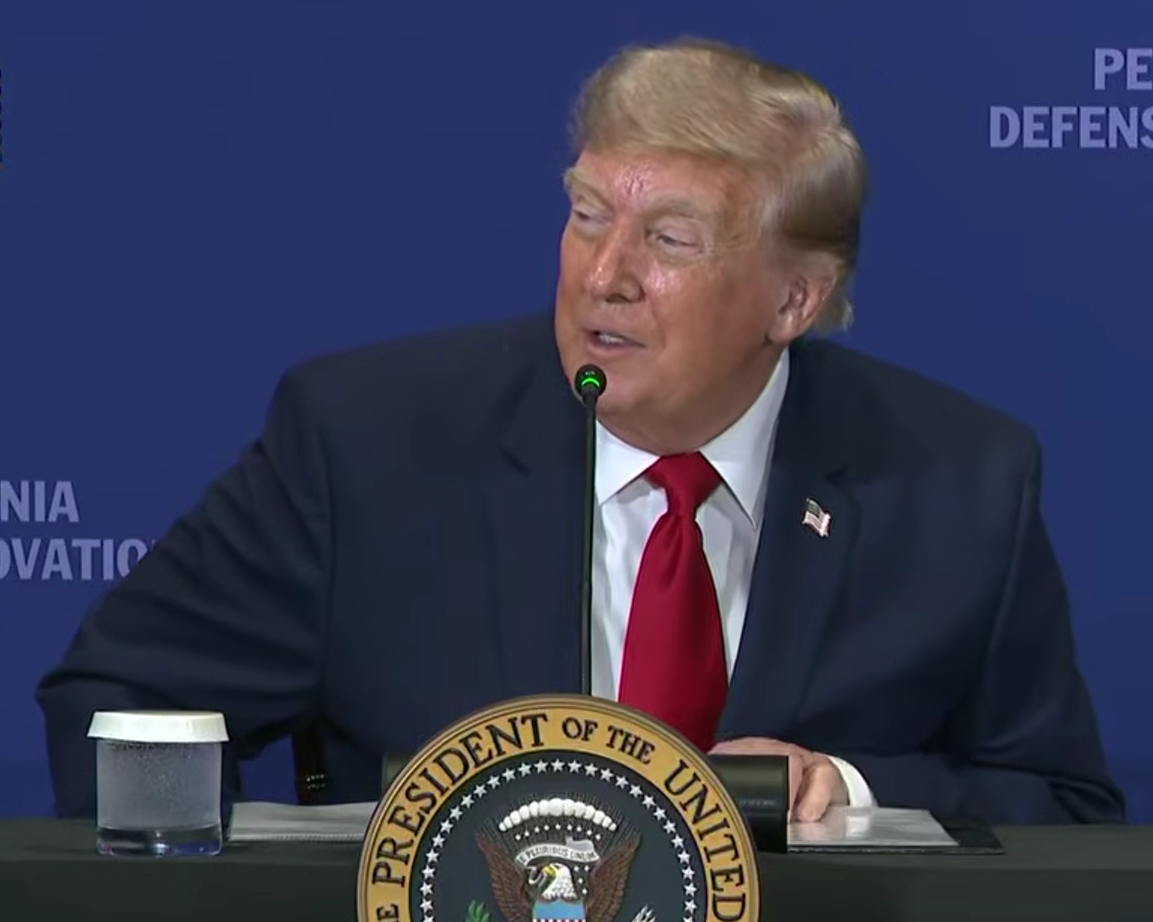
The president’s intervention was swift. “We must be strong, tough, and smart, and we CANNOT give up one of I.C.E.’s most important and effective Crime Fighting tools, THE TRAFFIC STOP!” he wrote, siding with hardline allies who had assailed the pause. The episode has laid bare tensions within the administration, pitting Trump’s instinct for aggressive enforcement against officials who have witnessed the fallout from earlier excesses, including the shooting deaths of two U.S. citizens in Minnesota during broad street sweeps earlier this year. Despite a tactical pivot toward more targeted operations, enforcement intensity has not eased. Internal ICE data indicates arrests in Maine surged to roughly seventy per day between early June and early July, transforming a state far from the southern border into an unlikely flashpoint. With at least seven people now shot dead during federal immigration operations since January 2025, and fifty three fatalities in ICE custody during the same period, the administration faces mounting questions about whether its enforcement machinery has outpaced its capacity for accountability.