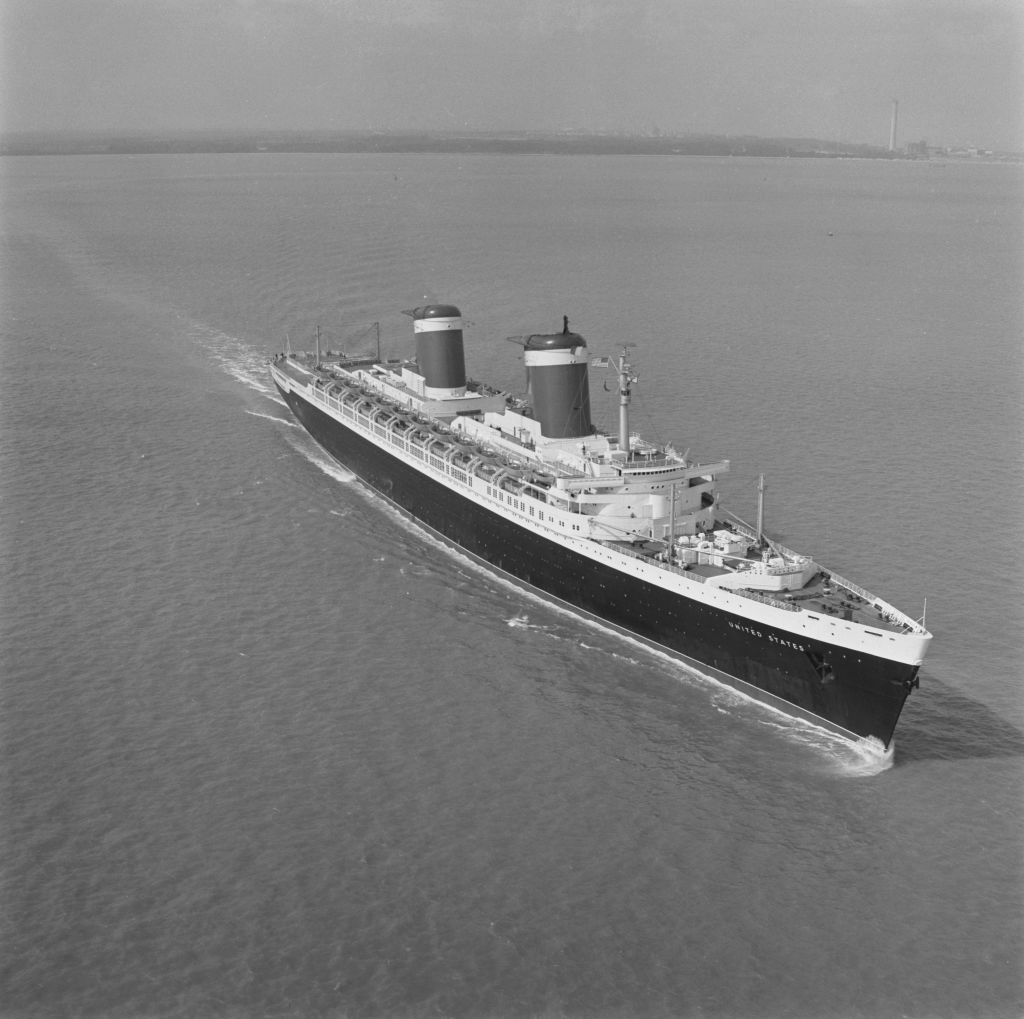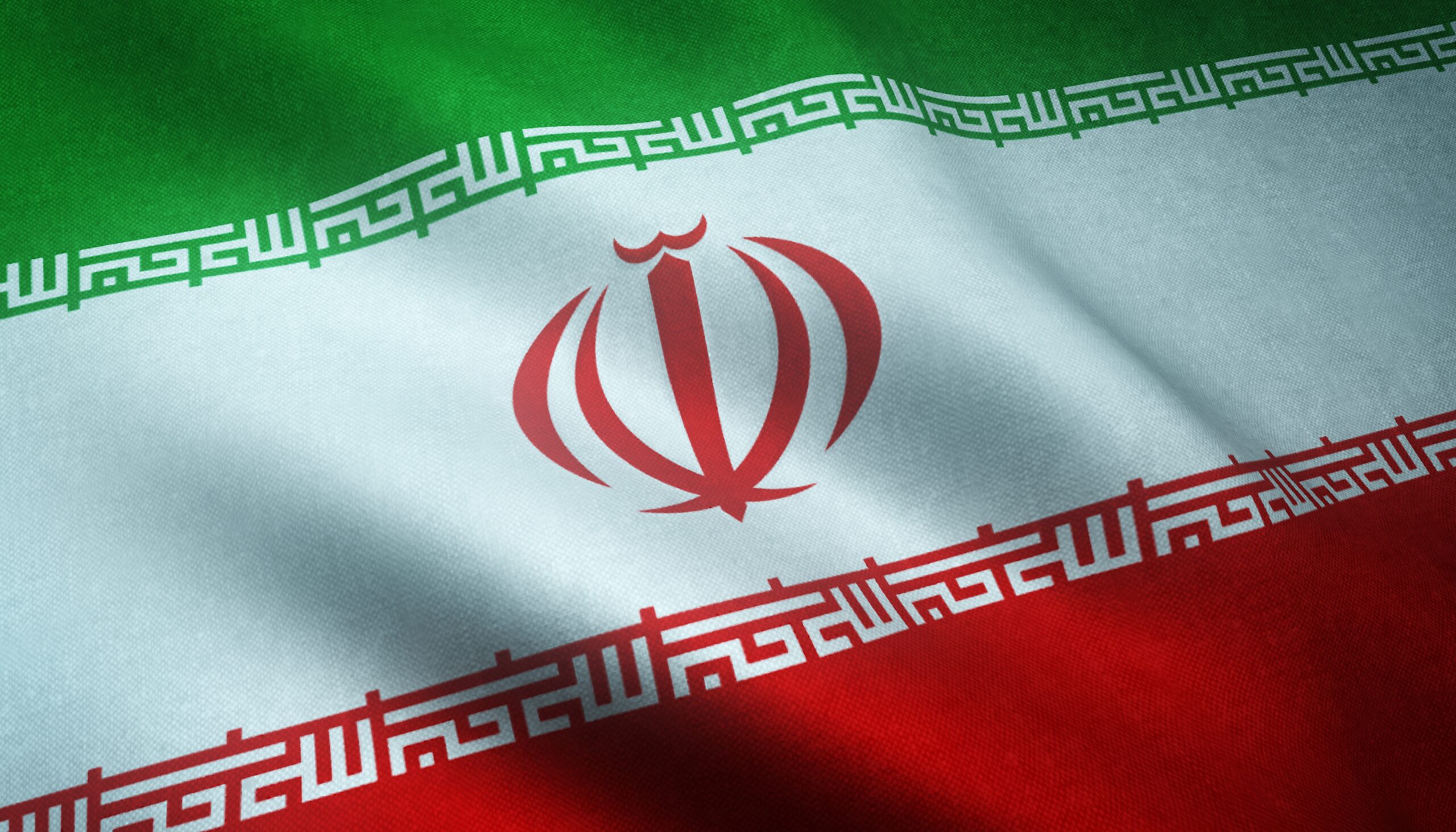
Iran has declared the Strait of Hormuz an inviolable “red line” and vowed to strike infrastructure across the entire Gulf region if President Donald Trump follows through on his threat to bomb Iranian power plants and bridges next week. The warning came Thursday as American forces conducted a fifth consecutive night of airstrikes and reimposed a naval blockade of Iranian ports, intensifying a standoff that has already killed thousands and displaced millions across the Middle East. Tehran’s army spokesman, Brigadier General Mohammad Akraminia, insisted that Iran retains full control over the strategic waterway from every corner of its territory and warned that any US attack on Iranian civilian infrastructure would trigger a response “more severe, wider in scope and more destructive than previous attacks.” The rhetoric signals a dangerous new phase in a conflict that has seen the Strait, through which roughly one fifth of global oil and gas shipments flowed before hostilities erupted, transformed from a commercial artery into a militarized flashpoint.
The latest escalation follows the collapse of a fragile truce reached in June under the Islamabad Memorandum, which had briefly calmed fighting that began with US-Israeli strikes on February 28. After those initial attacks killed Supreme Leader Ali Khamenei and other senior officials, Iran blocked the Strait and began targeting American bases and commercial shipping across the region. Washington now says its renewed blockade and bombing campaign are designed to reopen the waterway, but three US officials told Reuters that the strikes are also aimed at degrading Iranian military capabilities ahead of any larger operations. Tehran sees the pressure differently. Parliament Speaker Mohammad Baqer Qalibaf framed the conflict in existential terms, stating, “We are in an essential and existential war with America.” Iranian military spokespeople have insisted the only path to reopening the Strait is American compliance with the fourteen point memorandum and acceptance of “Iranian regulations” governing ship traffic, conditions Washington has so far rejected as Trump demands fresh negotiations while threatening to hit energy targets and bridges.
Thursday brought a sharp expansion of Iran’s retaliatory reach. The Iranian army announced ballistic missile strikes on Jordan’s Al Azraq Air Base and warned neighboring states that providing territory for US attacks would “not go unanswered.” The Revolutionary Guards claimed to have destroyed satellite communications and early warning radar at Kuwait’s Ali Al Salem Air Base, as well as a US military pier in the Al Shuaiba area. Sirens blared in Bahrain as its defense systems intercepted incoming Iranian drones, while Kuwait reported engaging “hostile aerial targets.” The attacks on American installations in multiple Gulf monarchies underscore a strategy of regionalizing the conflict, a tactic analysts say could soon extend to the Bab el-Mandeb strait at the mouth of the Red Sea, where Iran’s Houthi allies have previously threatened commercial shipping. Such a move would place a second critical energy chokepoint at risk, compounding global supply disruptions that have already driven fuel prices to their highest levels since mid June.
With neither side showing willingness to bend, the conflict appears to be sliding back toward full scale war. The US blockade, which Washington insists applies only to vessels entering or leaving Iranian ports, has been met with Iranian threats to fire on any ship attempting to transit the Hormuz outside Tehran’s designated channels. Trump has abandoned earlier ideas of charging transit fees in favor of maintaining a hard military posture, while Iran’s leadership calculates that control over the Strait offers its most potent leverage against a far superior conventional force. The human cost continues to mount, the war has killed thousands, primarily in Iran and Lebanon, where fighting between Israel and Hezbollah has reignited. As both powers trade ultimatums and missiles across a region dotted with American bases and Iranian proxies, the prospect of a localized conflict metastasizing into a broader Gulf war grows more tangible by the day.