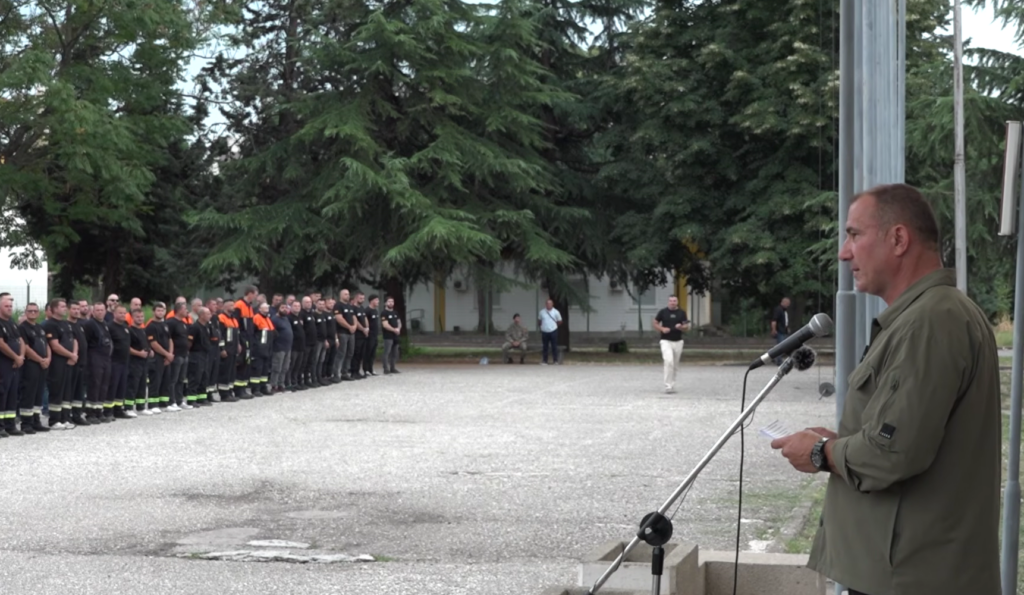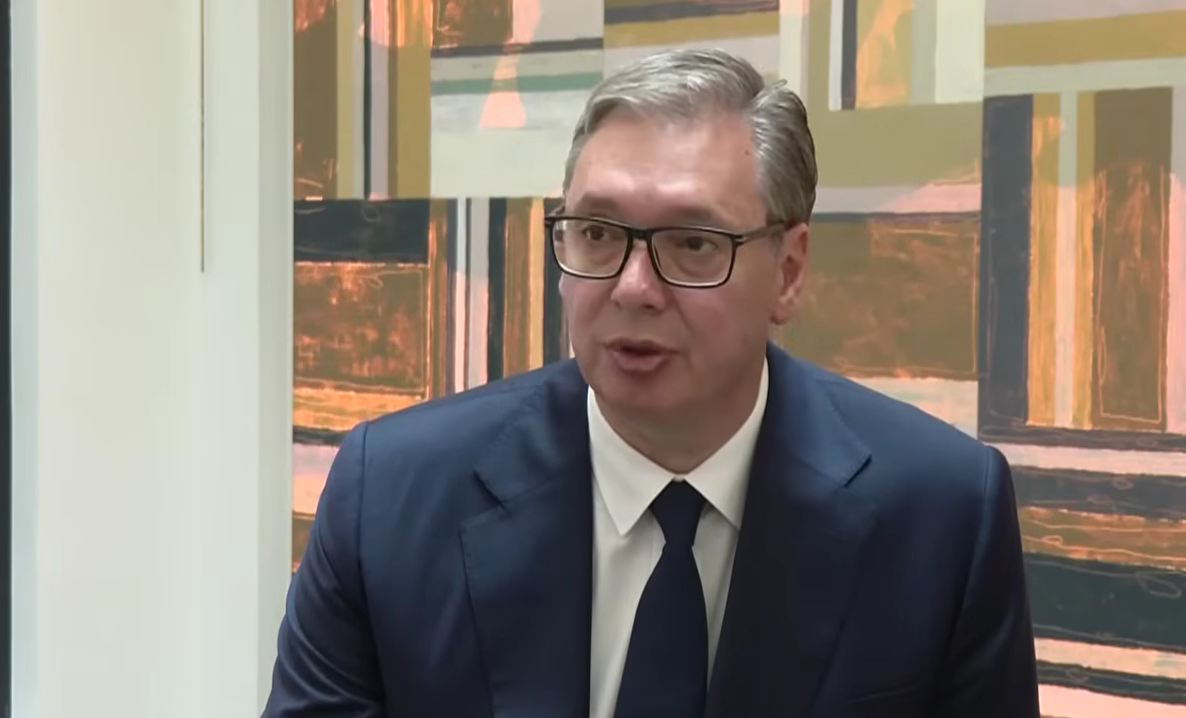
Serbia was the only participant at the Ukraine Southeast Europe summit in Kyiv that declined to sign a joint declaration condemning Russia’s invasion and pledging stepped up support for Ukraine, Serbian state media reported. The document, adopted by the other nine regional delegations alongside Ukrainian President Volodymyr Zelensky, denounces Russia’s “illegal, unprovoked and unjustified” aggression and calls for an immediate end to hostilities and the full withdrawal of Russian forces from Ukrainian territory. Signatories included Albania, Greece, Moldova, Romania, Croatia, Slovenia, Macedonia, Montenegro, and Bulgaria. Serbian President Aleksandar Vučić, who traveled to Kyiv for the gathering, broke ranks with every other leader present, repeating his refusal to endorse the summit’s final communique, a move he first made at the same forum in Odesa in June 2025.
When questioned about the backlash he expects in both Belgrade and Moscow, Vučić struck a defiant but measured tone. “It is extremely important for me and for everyone else to talk about this here and about what our political positions are, and I am doing this to protect Serbian national interests,” he said. “Of course, I always listen to all possible objections that come from the whole world. That is how democracy works.” Despite his refusal to sign the declaration, Vučić emphasized five points he said mattered to Serbia, respect for the UN Charter and Ukraine’s territorial integrity, continued humanitarian assistance, reconstruction of Ukrainian cities, support for Kyiv’s European Union path, and the development of transport corridors linking the region to Armenia, Azerbaijan, and Turkey. He told Zelensky that Belgrade was prepared to invest in better connectivity across the Black Sea and Caucasus region, though he acknowledged such infrastructure would require significant capital from Serbia, Romania, Moldova, and Ukraine.
The decision not to sign underscores the tightrope Vučić has walked since Russia’s full scale invasion began. Serbia is officially pursuing EU membership, a process that has accelerated amid recent political shifts, yet it remains one of the few European states that has refused to impose sanctions on Moscow, citing its own historical experience with international isolation. Belgrade has condemned the invasion at the United Nations and supported resolutions demanding Russia’s withdrawal, but its refusal to join the Western sanctions regime has drawn repeated criticism from Brussels. The Odesa summit in 2025 offered a preview of this week’s drama, Vučić attended that meeting as well, offered to rebuild Ukrainian cities, and reaffirmed support for territorial integrity, yet still withheld his signature from the joint declaration to avoid, as he put it at the time, “betraying Russia.” His presence at Moscow’s Victory Day celebrations earlier that year had already raised eyebrows in European capitals.
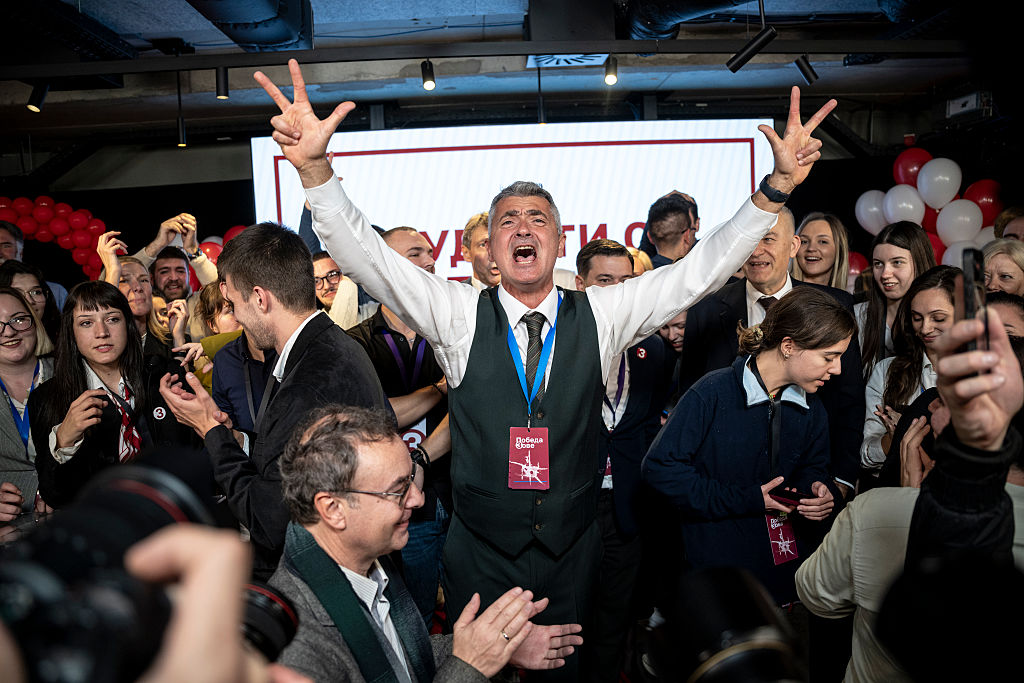
By once again standing apart from every other Southeast European leader in Kyiv, Vučić has sharpened the contradictions of Serbian foreign policy. He is simultaneously courting EU accession, preserving historic ties with Moscow, and presenting himself as a pragmatic mediator willing to fund reconstruction while refusing to endorse the diplomatic language that frames the conflict. The corridors to the Caucasus he proposed with Zelensky suggest a vision of Serbia as a regional logistics hub, yet his unwillingness to sign a document that even staunchly neutral Montenegro endorsed leaves Belgrade diplomatically isolated among its immediate neighbors. With EU officials watching closely and domestic pressure mounting over his recent announcement that he will resign the presidency to campaign for his party, Vučić’s balancing act is growing more precarious, and more conspicuous, by the summit.