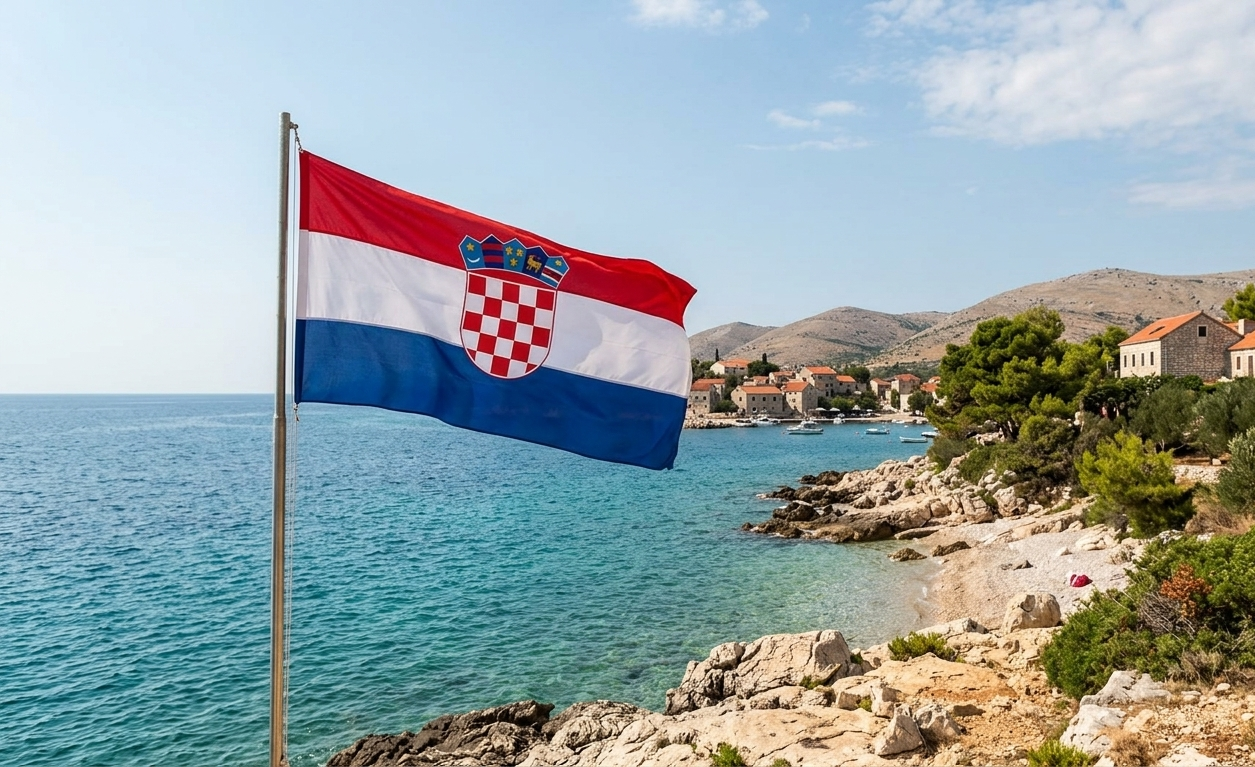
The coastal resort town of Makarska has become the first municipality in Croatia to prohibit the sale of alcohol in shops between 9 p.m. and 6 a.m., introducing a year round measure that applies to grocery stores, souvenir shops, kiosks, bakeries, and confectioneries, but notably exempts bars and restaurants. The ban, enforced by the State Inspectorate, was introduced by Mayor Zoran Paunović of the Social Democratic Party as a direct response to the unruly tourism that has plagued other Croatian hotspots. “We do not want the Split scenario, where young people and tourists, returning from clubs, reach for another bottle of alcohol in the late evening and early morning hours, causing additional chaos,” Paunović explained. The decision has drawn sharp and divided reactions from locals and visitors alike, with some shopkeepers calling it an economic catastrophe while residents welcome relief from street drinking.
The controversy reflects a deepening tension across Croatia’s Adriatic coast between tourism revenue and quality of life. In Makarska, souvenir shop worker Ivana warned that the ban could devastate businesses that survive on a three to four month tourist season. “Horror, catastrophe. If I were a tourist, I wouldn’t be the first to come here with this ban,” she said. Waiter Josip echoed concerns about the municipal budget, arguing that adults should have the right to drink what they want. Yet resident Edita supported the move, noting that young people buy excessive alcohol from small kiosks and then drink in the streets, creating disturbances. Tourists were similarly split. Emma, visiting from the United States, pointed out that alcohol is available at all hours in America without major issues, while Steven from Australia saw merit in restricting access for younger visitors, even if the nightlife culture would persist.
Makarska’s move is part of a broader Croatian crackdown enabled by national legislation passed in late May, which allows local governments to restrict nighttime retail alcohol sales to protect public health, order, and cultural heritage. Split has already announced plans for an 8 p.m. to 6 a.m. ban in its historic center, while Hvar and Zadar are considering similar measures. Across Europe, destinations from Porto’s “containment zone” in Portugal to the Balearic Islands in Spain have introduced comparable restrictions, on the spot fines for public drinking, and decibel limits to combat overtourism. With Croatia hosting nearly 22 million tourists in 2025 and tourism accounting for roughly a fifth of GDP, authorities are walking a tightrope, trying to preserve the industry’s economic lifeline while preventing the Adriatic coast from becoming unlivable for its permanent residents.