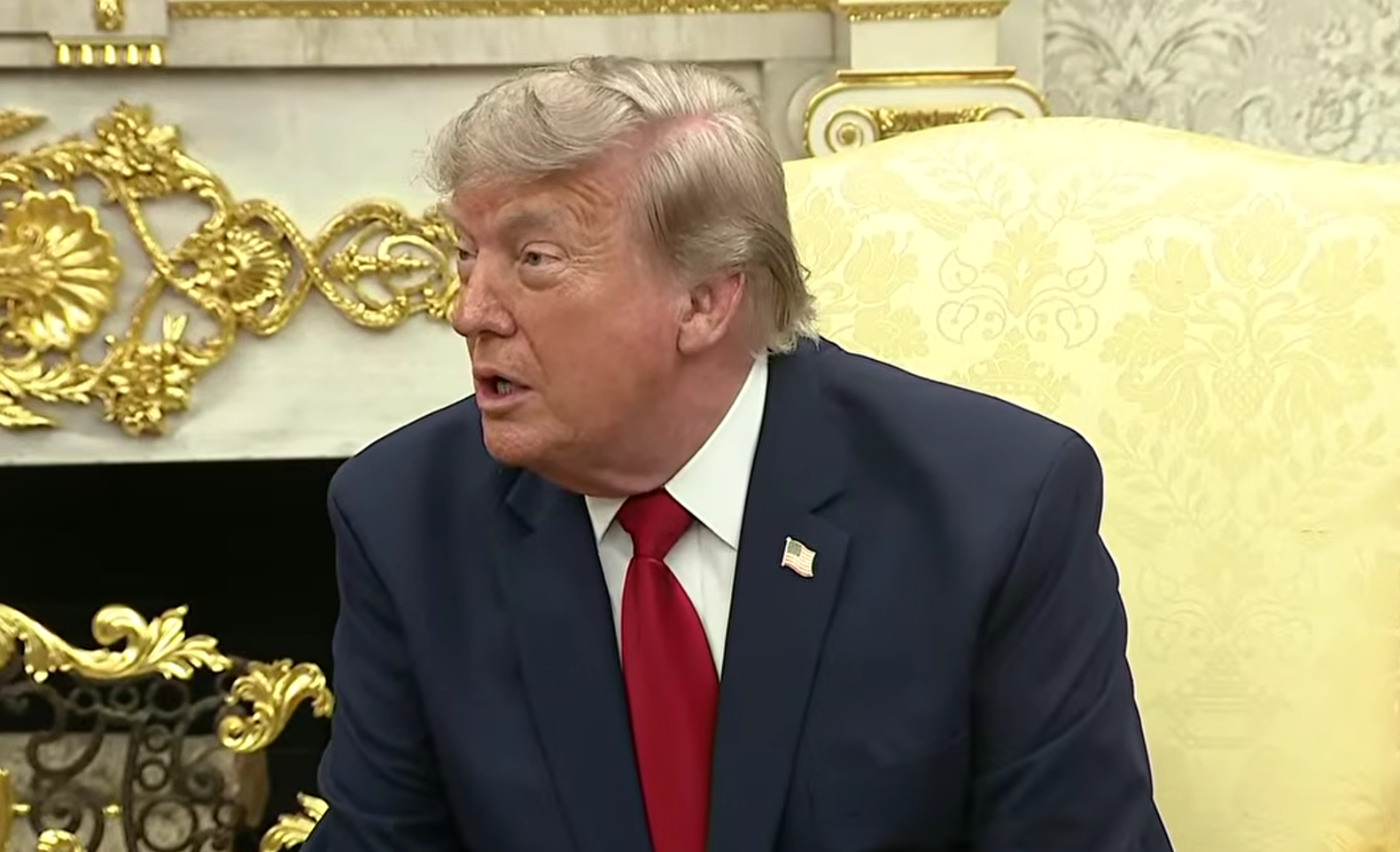
Iran has freed Dena Karari, a dual US-Iranian national held since December 2024, President Donald Trump announced on July 15, calling the move a gesture of goodwill even as American forces pounded Iranian targets and enforced a naval blockade in the Persian Gulf. Karari, who her attorney says was trapped in Iran on bogus charges under a coercive exit ban, is now safe and traveling back to the United States. The release was confirmed by international human rights lawyer Jared Genser, who credited what he described as Trump’s “extraordinary and relentless efforts” in securing her freedom despite the two nations being locked in open warfare.
The timing of Karari’s departure is striking. Washington and Tehran are engaged in their most violent confrontation in decades, with the US conducting nightly strikes, reimposing a blockade of Iranian ports, and vowing to bomb power plants and bridges unless Iran resumes negotiations and reopens the Strait of Hormuz. That a civilian prisoner was extracted from Iranian territory in the middle of active hostilities underscores the enduring channels of backchannel diplomacy that can persist even when diplomatic relations are severed and missiles are flying. Genser, a Harvard affiliated attorney known as “The Extractor” for helping free more than 300 prisoners of conscience across twenty countries, called the outcome a “minor miracle” given the circumstances. He had previously represented Siamak Namazi, one of five Iranian Americans released in a 2023 prisoner exchange negotiated by the Biden administration, illustrating his long track record of navigating prisoner diplomacy across partisan divides.
For Trump, the release offers a public relations victory at a moment when his Iran policy is drawing scrutiny over civilian casualties and the economic shock of Hormuz’s closure. By framing the release as a goodwill gesture rather than a negotiated concession, the administration can claim leverage without acknowledging any reciprocal American moves, a familiar playbook in prisoner diplomacy with Tehran. Yet the backdrop of war complicates the narrative. The US has killed thousands in strikes on Iranian infrastructure, while Iran has targeted American bases in Kuwait, Jordan, and Bahrain and closed the strait through which a fifth of global oil shipments once flowed. Whether Karari’s freedom signals any broader thaw, or is simply a tactical move by Iran to soften its international image while weathering bombardment, remains unclear. What is certain is that even in the depths of conflict, the machinery of hostage diplomacy grinds on.